
Dakota
1974
No user ratings available yet
Representation score: 2.9 out of 10
Representation Score
Fair
1988
PGDirector
Richard T. Heffron
Runtime
150 minutes
Average Rating
No ratings yetNew Showbiz Analysis
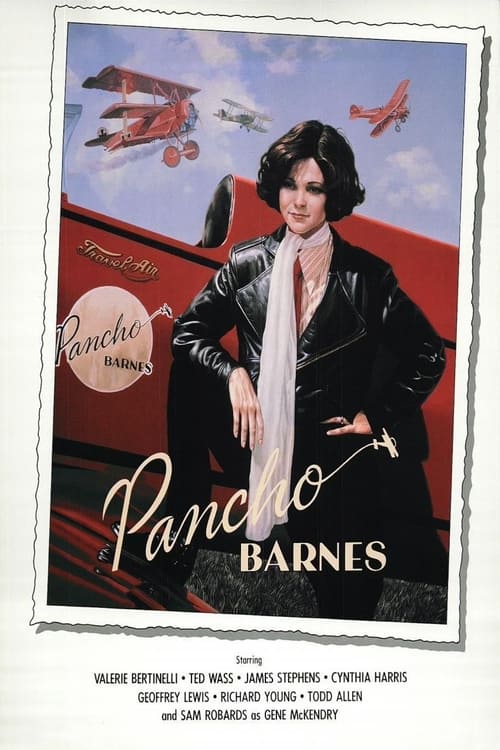
The film centers on Pancho Barnes, a character who challenges mid-century gender roles and social hierarchies. She is portrayed as a woman with significant technical skills and social autonomy in a male-dominated field. However, the film lacks broader diversity. It focuses primarily on a white protagonist and does not include visible LGBTQ+ or racial diversity. This limits the scope of the story to a narrow perspective. Overall, the film's impact comes from celebrating individual autonomy against conventional norms, though it remains constrained by the homogeneity of its era.
Category Breakdown
The film does not include explicit LGBTQ+ characters or stories about non-cisgender identities. The protagonist challenges traditional structures but does not address LGBTQ+ issues directly.
Pancho Barnes challenges mid-20th century gender roles by taking an active role in the aviation industry. She defies passive stereotypes typically associated with women of her time.
The story focuses on a white female protagonist and a predominantly white social circle. There is no indication of a racially diverse cast.
The film highlights the protagonist's unconventional lifestyle as a form of personal freedom. It questions traditional societal norms through the lens of individual choice and rebellion.
There is no evidence of characters with physical or neurodivergent disabilities in the film.
Present on Screen
Limited or Absent
Official Synopsis
Bored socialite Florence Pancho Barnes decides to learn to fly.
1974
1957
1940
1939

1985

1966
1973

2015
No reviews yet. Be the first to share your thoughts on this movie!
Use the rating form above to leave a star rating and optional review.