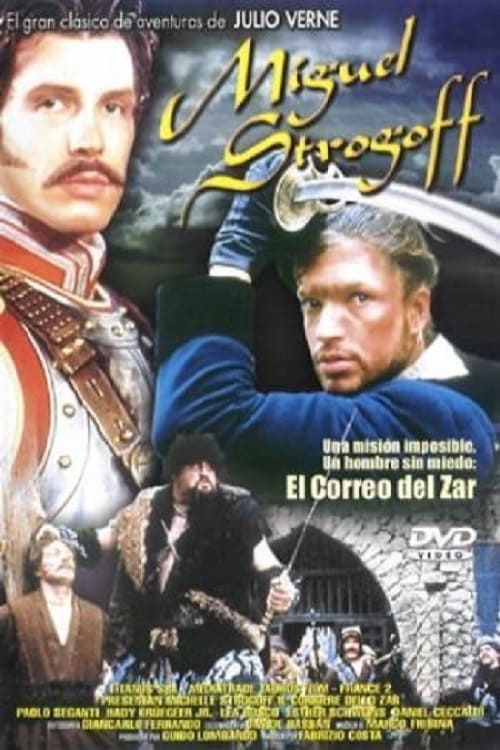
Michel Strogoff
1999
No user ratings available yet
Representation score: 0.6 out of 10
Representation Score
Minimal
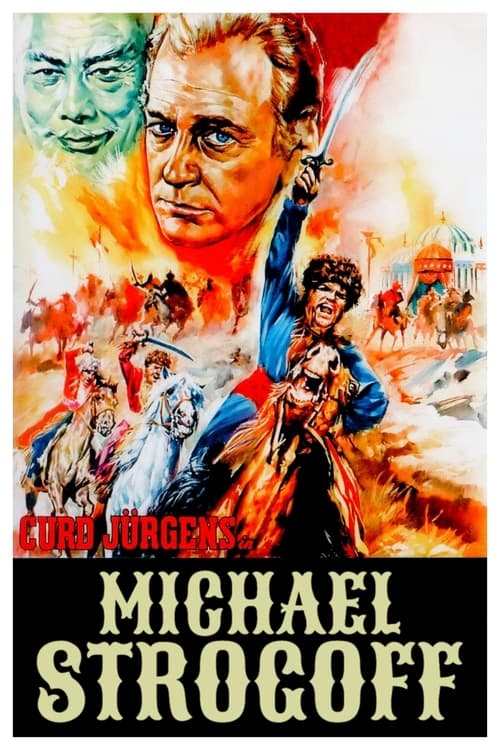
1956
Director
Carmine Gallone
Runtime
109 minutes
Average Rating
No ratings yetNew Showbiz Analysis
Michael Strogoff is a quintessential mid-century adventure melodrama that prioritizes imperial loyalty and traditional romantic clichés. The film reinforces established social hierarchies and state structures rather than challenging them. The storytelling relies on clear-cut binaries, such as the protector and the protected, or the hero and the villain. This approach lacks complexity and adheres to the cinematic conventions of the 1950s. Ultimately, the film serves as a defense of Western imperial institutions, celebrating heroism through the lens of upholding the existing social order.
Category Breakdown
The film does not include any visible LGBTQ+ characters or non-straight identities. The romantic storyline centers around a traditional heterosexual couple.
Gender roles are traditional, with the male protagonist driving the plot through physical action. The female lead is primarily portrayed as a romantic interest needing protection.
The cast is predominantly white European. Tartar characters appear but serve as traditional antagonists used to highlight the hero through opposition.
The narrative emphasizes the preservation of the Russian Czarist state and imperial authority. It promotes patriotism and duty to the sovereign without questioning existing social structures.
There is no representation of physical or neurodivergent disabilities among the main characters or within the central storylines.
Present on Screen
Limited or Absent
Official Synopsis
When Emir Feofar Khan, leader of the Tartar hordes, takes up arms and invades the steppes of Eastern Siberia, Czar Alexander II of Russia entrusts the brave officer Michael Strogoff with a dangerous mission.
1999
1960
1957

1969
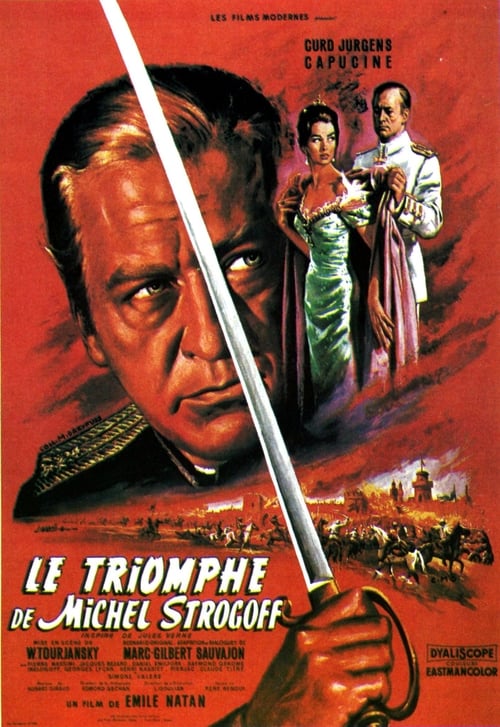
1961
1969
1942
1936
No reviews yet. Be the first to share your thoughts on this movie!
Use the rating form above to leave a star rating and optional review.