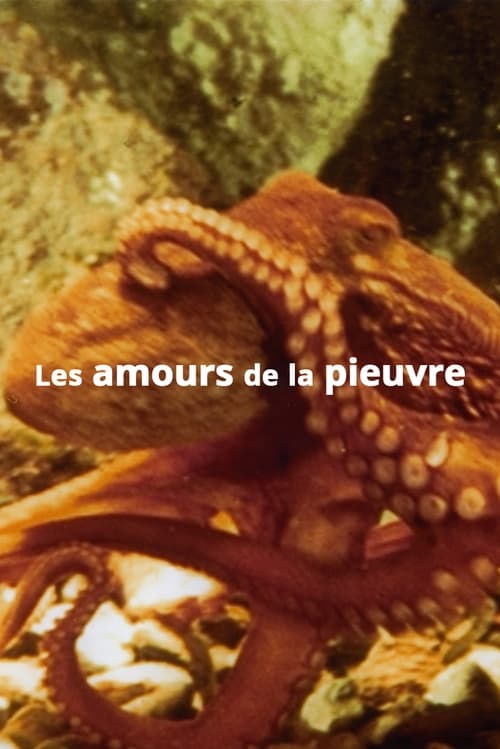
The Love Life of an Octopus
1967
No user ratings available yet
Diversity score: 6.3 out of 10
1954
Director
Jean Painlevé, Geneviève Hamon
Runtime
11 minutes
Average Rating
No ratings yetSynopsis
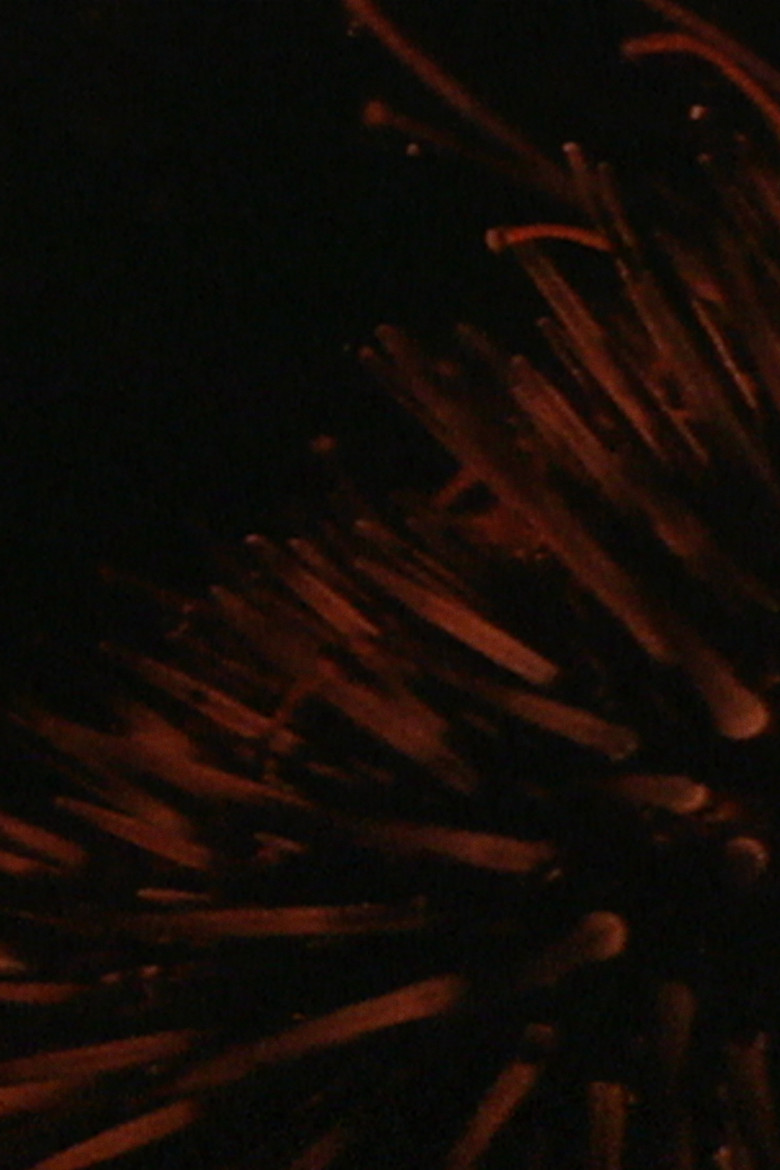
A complex creature. Regular underwater photography, magnified close-ups, and film through a microscope present sea urchins. We see their mouth and five teeth close and open. After injecting one with gelatin, the shell is removed and we see the muscle structure, digestive tube, and reproductive organs. Magnified stems reveal suction cups; stems lengthen and contract allowing the sea urchin to move. We see microscopic calcareous stems; at their ends are jaws with various uses. Cilia everywhere are in constant motion, stirring up water and debris. African music on the soundtrack suggests a shuffle dance.
Overall Score
Fair
Category Breakdown
LGBTQ+ Representation
The film explores biological processes and reproductive mechanics through a microscopic lens. While it lacks human characters, the focus on biological fluidity disrupts rigid, traditional understandings of reproduction.
Gender Representation
Human gender dynamics are absent from the marine subject matter. However, the collaborative direction by Jean Painlevé and Geneviève Hamon demonstrates professional parity in the creative process.
Racial & Ethnic Diversity
The soundtrack utilizes African music to frame the sea urchins' movements. This choice breaks from the Eurocentric classical scores common in mid-century scientific documentaries.
Religious & Cultural Diversity
The film prioritizes a secular, materialist worldview over spiritual explanations. The use of music to frame biological movement offers a celebratory interpretation of nature.
Disability Representation
There are no human characters or depictions of neurodivergence or physical disability to evaluate in this biological study.
Strengths
Areas for Improvement
AI Analysis
Sea Urchins is a sophisticated biological documentary that challenges the standard mid-century scientific gaze. By utilizing microscopic perspectives, it transforms simple specimens into complex, active agents of nature. The film's strength lies in its departure from Eurocentric norms, specifically through its rhythmic use of African music. This choice provides a unique auditory framework for observing biological behavior. While the film lacks human social representation, its collaborative direction and focus on biological agency offer a subtle disruption of traditional documentary tropes.
1967
1972
1956
1964
1978
1996
2022

2021
2016

2014
2008
1972
No reviews yet. Be the first to share your thoughts on this movie!
Use the rating form above to leave a star rating and optional review.