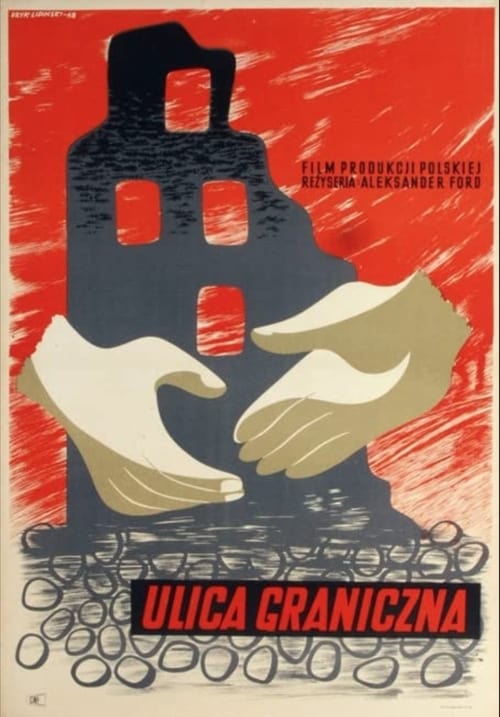
Border Street
1949
No user ratings available yet
Representation score: 6.9 out of 10
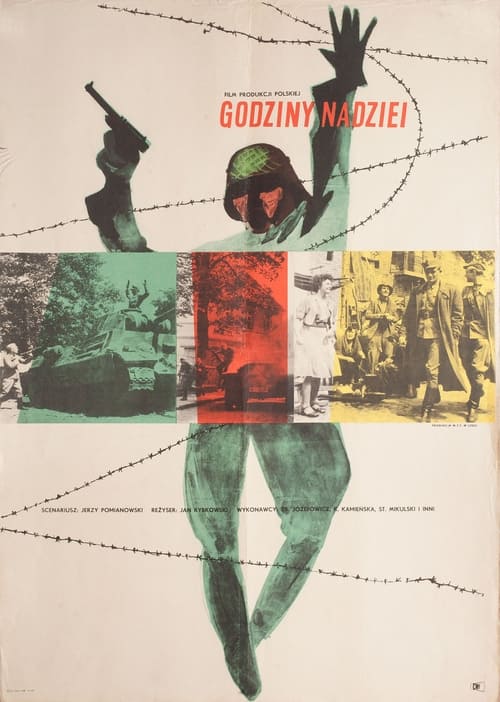
Representation Score
Good
1955
Director
Jan Rybkowski
Runtime
89 minutes
Average Rating
No ratings yetNew Showbiz Analysis
The film uses a multi-ethnic setting to explore the human condition during the chaos of World War II. Centering the action in a Polish military hospital disrupts the homogeneity of many war films through its diverse cast of ethnic backgrounds. However, the production remains constrained by the social norms of 1955. It lacks explicit representation of LGBTQ+ identities and tends to place women in traditional caretaking roles rather than positions of intellectual or military dominance. While the film offers a window into the complexities of identity during geopolitical upheaval, it primarily uses physical disability as a tool for wartime drama rather than exploring neurodivergent conditions or providing characters with independent ability to act.
Category Breakdown
The film does not explicitly include non-straight or non-cisgender identities or same-sex relationships. It adheres to traditional social structures typical of 1950s war dramas.
Women in the film likely appear in nursing or medical roles within the hospital setting. These roles follow traditional gender hierarchies without challenging male leadership.
The story features people of various ethnic backgrounds meeting in a Polish military hospital. This creates a framework for exploring multi-ethnic dynamics during the collapse of the Third Reich.
The film critiques oppressive systemic structures through its depiction of the final days of WWII. The hospital serves as a site for complex, multi-layered human experiences.
Characters deal with physical trauma and injuries due to the hospital setting. However, these depictions often serve as dramatic plot devices rather than providing characters with independent ability to act.
Present on Screen
Limited or Absent
Official Synopsis
In the last days of World War 2, people of various ethnic background meet in a Polish military hospital in a small German town, whereas a Nazi SS division hides in the local forests and tries to move westwards.
1949
1957
1954
1945

1955
2024
2006
2006
No reviews yet. Be the first to share your thoughts on this movie!
Use the rating form above to leave a star rating and optional review.