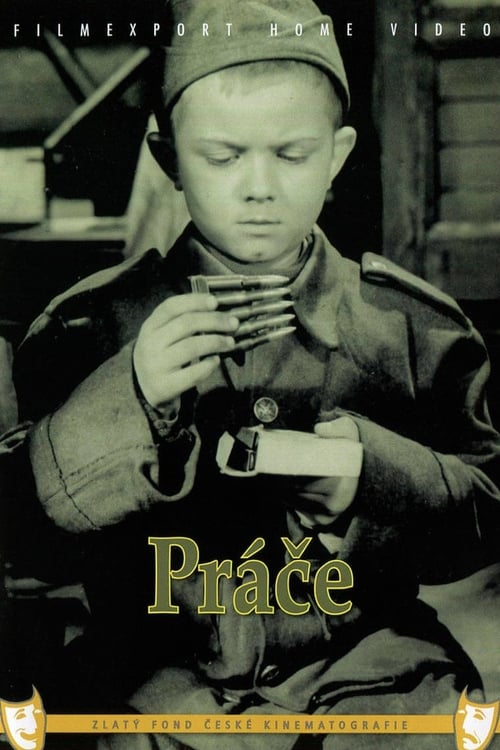
Slingboy
1960
No user ratings available yet
Representation score: 6.5 out of 10

Representation Score
Fair
1966
Director
Karel Kachyňa
Runtime
76 minutes
Average Rating
No ratings yetNew Showbiz Analysis
Carriage to Vienna functions as a psychological study of survival that avoids the romanticized clichés of traditional war epics. By focusing on a soldier fleeing an advancing army, the film deconstructs heroic archetypes in favor of moral ambiguity. While the film lacks diverse representation regarding race and queer identity, it succeeds in challenging social stability. The narrative structure favors individual ability to act and the breakdown of order over state-driven ideology. Ultimately, the film's strength lies in its cynical, deconstructive view of military institutions, presenting a landscape of instability rather than a celebration of nationalistic strength.
Category Breakdown
The film does not include visible LGBTQ+ characters or non-straight identities. It adheres to the assumption that everyone is straight or cisgender, which is typical of 1966 wartime dramas.
The story disrupts traditional gender hierarchies by focusing on a coercive, transactional power dynamic between a soldier and a woman. This shifts the focus from masculine leadership to desperation.
The cast focuses on Austrian and Russian identities within the European theater. There is no evidence of a multi-ethnic cast that would disrupt the era's demographic norms.
The film challenges cultural clichés by prioritizing individual survival over patriotic heroism. It frames the conflict through the chaos of retreating forces rather than military strength.
A wounded comrade is mentioned, but it is unclear if this character serves as a meaningful agent or a mere plot device. Specificity regarding the portrayal is missing.
Present on Screen
Limited or Absent
Official Synopsis
A WW2 story of a young Austrian soldier running from the Russian army and a woman whom he forces to come along in order to save his wounded mate.
1960
1945
1956
1977
1965
1962
2019
2006
No reviews yet. Be the first to share your thoughts on this movie!
Use the rating form above to leave a star rating and optional review.