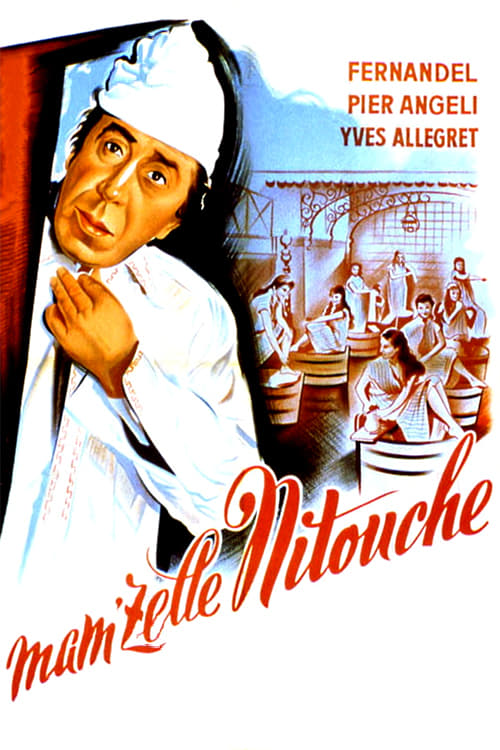
Mademoiselle Nitouche
1954
No user ratings available yet
Diversity score: 2.4 out of 10

1992
Director
Patrice Leconte
Runtime
8 minutes
Average Rating
No ratings yetSynopsis
Probably no one in the public listening to the orchestra's rendition of Ravel's Bolero notices him but the drummer is a regular hero. For, although his mind is assailed by loads of unsettling thoughts and worries, he tries to keep the rhythm at any cost. He knows all too well that he falls out of time only once all the magic of the piece will vanish.
Overall Score
Limited
Category Breakdown
LGBTQ+ Representation
The film centers on a traditional heterosexual romantic obsession. It lacks non-cisnormative identities or narratives that challenge heteronormative structures.
Gender Representation
Power dynamics revolve around the male protagonist's psychological fixation. While the female lead is central, her agency is largely viewed through his obsessive lens.
Racial & Ethnic Diversity
Set in 1920s France, the film reflects the era's demographic homogeneity. The cast aligns with the historical Eurocentric reality of the period.
Religious & Cultural Diversity
The story prioritizes individualistic experience over collective values. It functions as a character study of obsession rather than a critique of socio-political structures.
Disability Representation
The protagonist's mental instability is framed through artistic obsession. This risks utilizing the 'tortured artist' trope rather than exploring neurodivergent lived experiences.
Strengths
Areas for Improvement
AI Analysis
Patrice Leconte’s film is a specialized, aesthetic-driven character study that prioritizes psychological atmosphere over social representation. The narrative architecture focuses on the individualistic pursuit of art, which results in a lack of intersectional complexity. The film adheres to the traditional cinematic conventions of its era, presenting a narrow, Eurocentric, and heteronormative emotional landscape. It favors the internal struggles of a singular protagonist over broader systemic or diverse perspectives. Ultimately, the work functions as a study of obsession, remaining largely indifferent to the socio-political or diverse cultural structures of the 1920s.
1954
1945
1937
1964
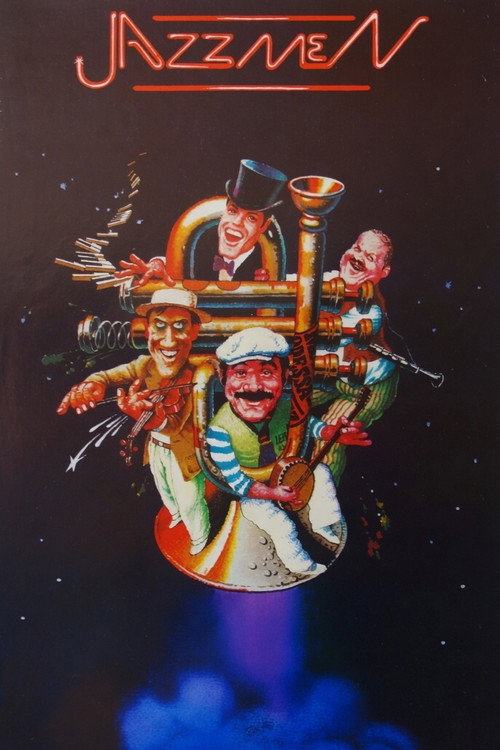
1983
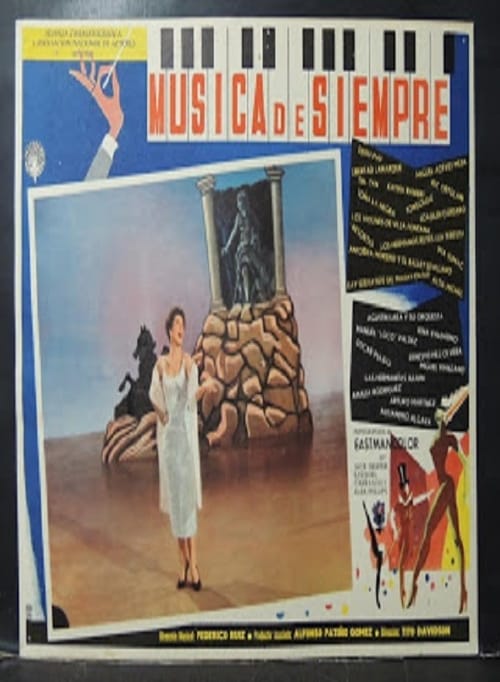
1958
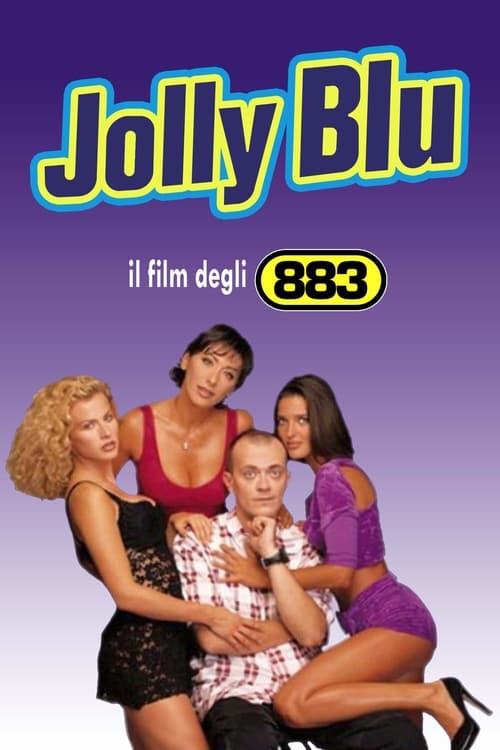
1998
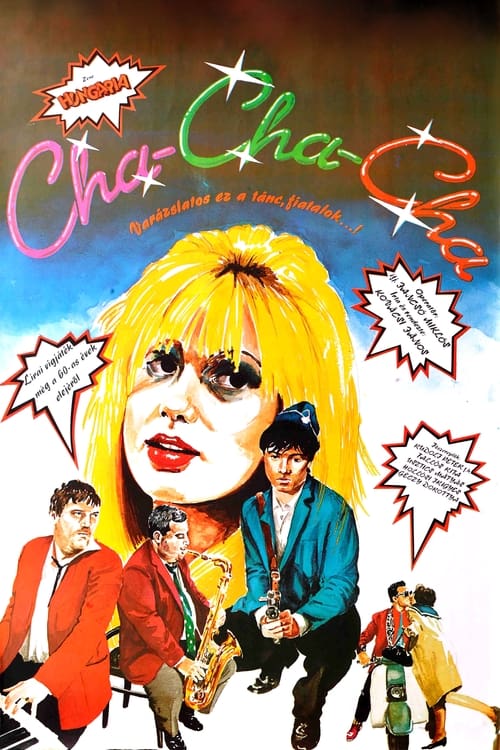
1982

2011

2012

1975

1998
No reviews yet. Be the first to share your thoughts on this movie!
Use the rating form above to leave a star rating and optional review.