Find another title
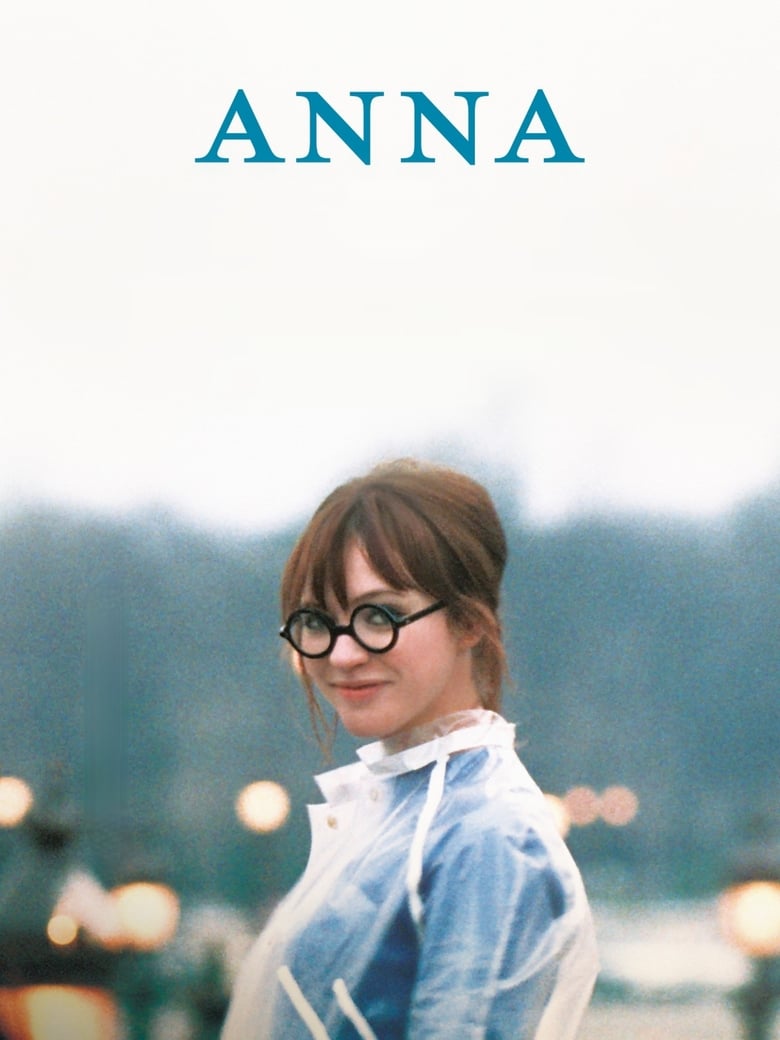
Anna
1998
Director
Pierre Koralnik
Runtime
87 minutes
Average Rating
No ratings yetSynopsis
Anna is working at a Parisian advertising agency. The director has fallen in love with a young woman he only knows through a photograph — of Anna.
Where to Watch
Diversity & Representation
Overall Score
Limited
Category Breakdown
LGBTQ+ Representation
The film follows a traditional heterosexual romantic structure between Anna and Jean. It lacks any documented non-cisnormative identities or narratives that challenge heteronormative standards.
Gender Representation
Anna possesses moderate agency as the narrative centers on her personal development. However, the premise of a man falling in love with her photograph creates a tension regarding the male gaze.
Racial & Ethnic Diversity
The story focuses on a Western European social milieu. There is no evidence of a non-white majority cast or significant intersectional racial blending within the production.
Religious & Cultural Diversity
The narrative adheres to standard romantic-comedy conventions. It focuses on individual emotional experiences rather than exploring religious deconstruction or challenging Western institutional structures.
Disability Representation
There is no documented evidence of characters with physical or neurodivergent disabilities within the primary narrative arc.
Strengths
- The film provides the female protagonist with a degree of central importance and personal agency.
- The narrative avoids making the lead a purely passive object through her individual romantic developments.
Areas for Improvement
- The film lacks intersectional complexity and diverse casting to represent a broader social spectrum.
- The reliance on traditional romantic tropes prevents a deeper critique of social or identity-based hierarchies.
- The narrative lacks representation of non-cisnormative identities or diverse racial backgrounds.
AI Analysis
Anna is a period-specific romantic narrative that prioritizes individual emotional connections over social critique. While the film grants the female protagonist a degree of central importance, it remains rooted in conventional tropes of its era. The production reflects a demographic homogeneity typical of mid-century French cinema, focusing on a Western European setting without significant racial or intersectional diversity. This lack of breadth keeps the score relatively low. Ultimately, the film functions as a traditionalist romance. It succeeds in centering a female lead but fails to disrupt established social hierarchies or offer diverse representation.
Rate this Movie
Reviews
No reviews yet. Be the first to share your thoughts on this movie!
Use the rating form above to leave a star rating and optional review.