Looping the Loop
1928
No user ratings available yet
No diversity score available
1927
PassedDirector
Robert Florey
Runtime
56 minutes
Average Rating
No ratings yetSynopsis
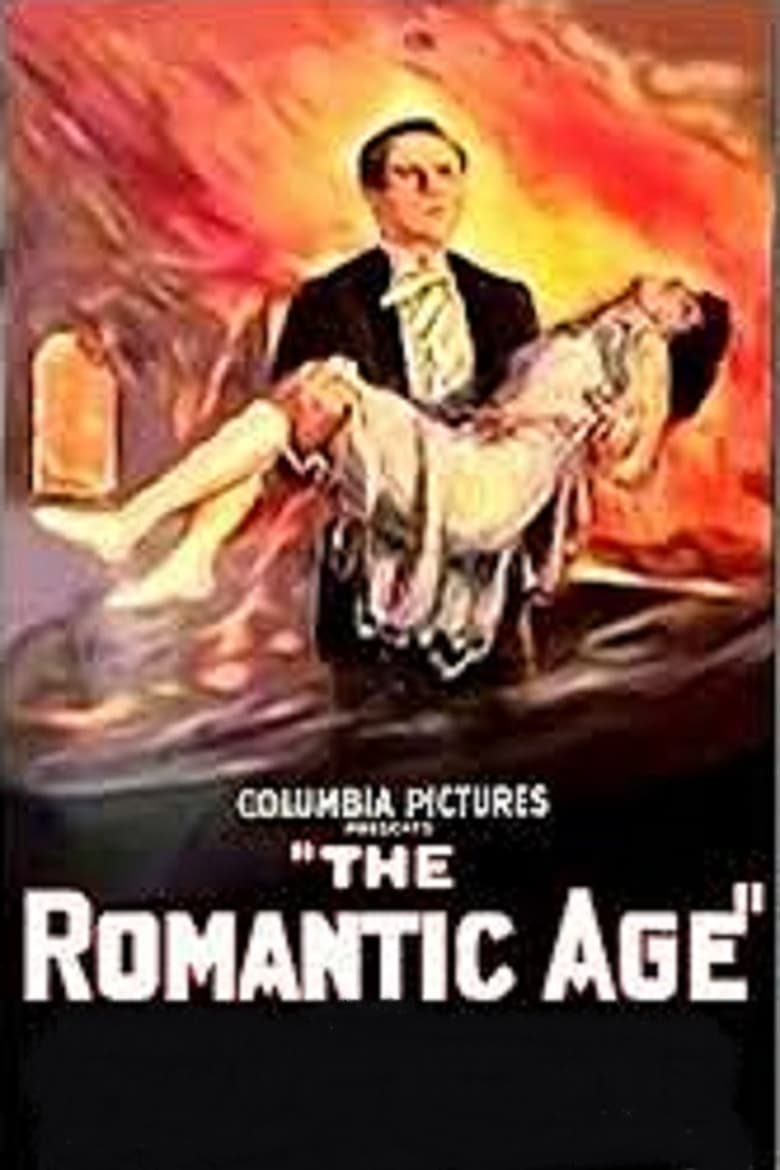
Engaged to middle-aged Eugene O'Brien, Alberta Vaughn develops a yen for O'Brien's handsome younger brother Stanley Taylor. But when Taylor succumbs to her charms, she spurns him with a severe tongue-lashing. Understandably confused, the mild-mannered Taylor turns nasty, causing a rift between himself and O'Brien. The two brothers are reconciled when one saves the other from a burning building.
Overall Score
Limited
Category Breakdown
LGBTQ+ Representation
The film centers on a conventional romantic triangle between a woman and two brothers. It lacks any depiction of non-cisnormative identities or critiques of heteronormativity.
Gender Representation
Alberta Vaughn exerts emotional power through her rejection of Stanley Taylor. However, the resolution relies on a traditional masculine act of heroism to restore stability.
Racial & Ethnic Diversity
The narrative appears to follow the homogeneous casting norms of 1927. There is no indication of non-white or non-Anglo-Saxon representation within the story.
Religious & Cultural Diversity
The plot functions as a standard melodrama focused on interpersonal morality. It emphasizes the restoration of the family unit and traditional values of familial cohesion.
Disability Representation
The story contains no mention of characters with visible or invisible disabilities.
Strengths
Areas for Improvement
AI Analysis
The Romantic Age is a period drama that operates strictly within the established social and narrative constraints of the late 1920s. It relies on traditional character archetypes, such as the mild-mannered man turned nasty and the heroic savior, to drive its plot. Because the film focuses on individual interpersonal morality and the restoration of the family unit, it reinforces conventional social hierarchies. The narrative lacks the intersectional complexity or systemic critique necessary to move beyond standard melodramatic tropes. Ultimately, the film serves as a snapshot of early 20th-century dramatic structures, prioritizing traditional romantic desire and familial stability over progressive representation.
1928
1929
1924
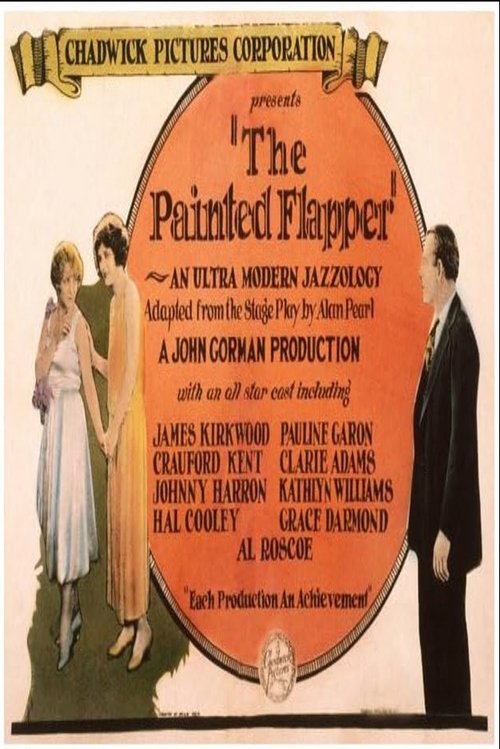
1924
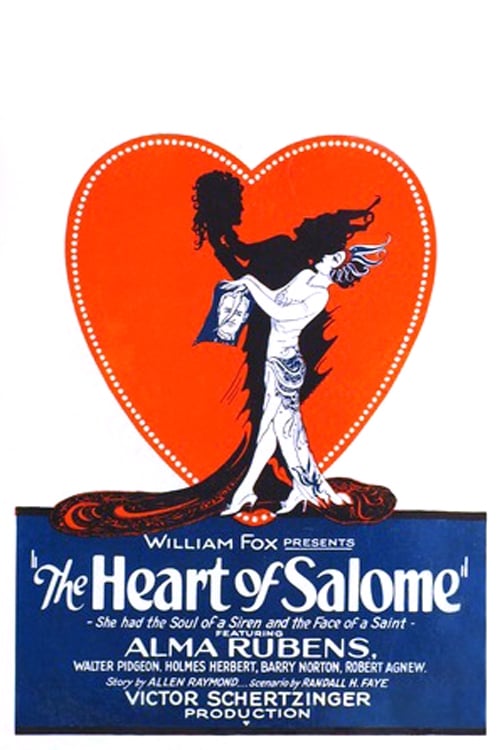
1927
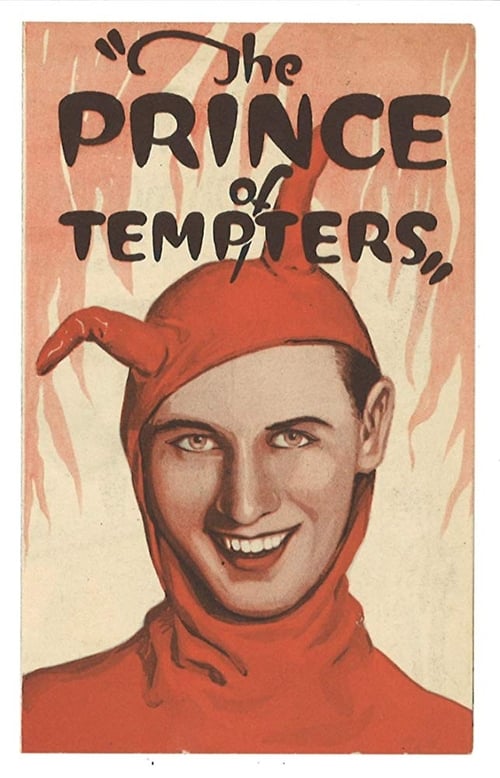
1926
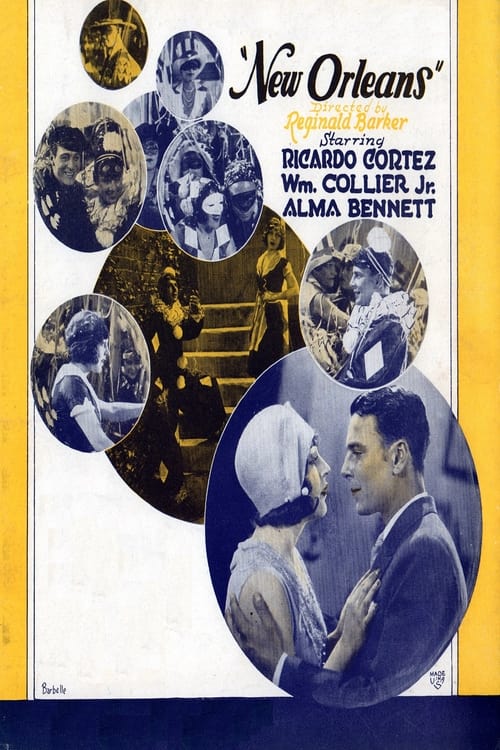
1929

1922
1937

1929
1931
1921
No reviews yet. Be the first to share your thoughts on this movie!
Use the rating form above to leave a star rating and optional review.