The Kid Sister
1927
No user ratings available yet
No diversity score available
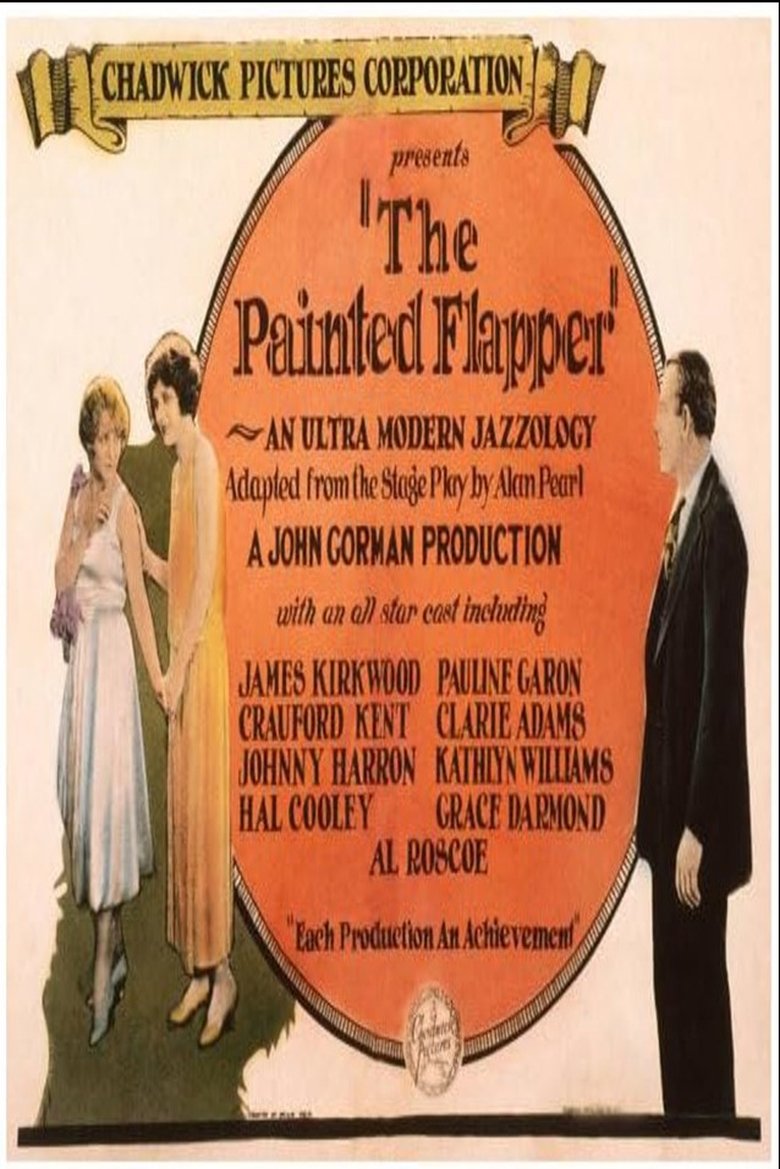
1924
PassedDirector
John Gorman
Runtime
60 minutes
Average Rating
No ratings yetSynopsis
A socially-ambitious mother is pushing her younger daughter into a life-style that will satisfy the desires of the mother but the older daughter, having tasted the consequences of such a life, determines to save her younger sister from the same mistakes.
Overall Score
Limited
Category Breakdown
LGBTQ+ Representation
The film lacks explicit LGBTQ+ characters or non-cisnormative identities. The narrative follows a traditional domestic framework centered on maternal and sisterly relationships.
Gender Representation
Women drive the plot through interpersonal conflicts between a mother and her daughters. However, these roles rely on established archetypes like the ambitious matriarch and the moral sister.
Racial & Ethnic Diversity
The film appears to reflect the homogeneous casting standards of the 1920s. There is no evidence of a non-white or non-Anglo-Saxon majority cast.
Religious & Cultural Diversity
The story focuses on social ambition and moralistic cautionary tales. It lacks critiques of Western institutions, favoring traditional morality over the deconstruction of social norms.
Disability Representation
There is no information regarding the inclusion of characters with physical, sensory, or neurodivergent disabilities.
Strengths
Areas for Improvement
AI Analysis
The Painted Flapper is a period-specific domestic drama that centers on female-driven conflict. While the plot is powered by women, the characters function within rigid social archetypes rather than subverting gender hierarchies. The film lacks intersectional depth, offering little in the way of racial diversity or LGBTQ+ representation. It adheres to the conventional, homogeneous storytelling standards of the early 20th-century film industry. Ultimately, the narrative serves as a moral cautionary tale. It reinforces traditional social structures and domestic values rather than challenging systemic norms or providing diverse perspectives.
1927
1927
1926

1922
1927
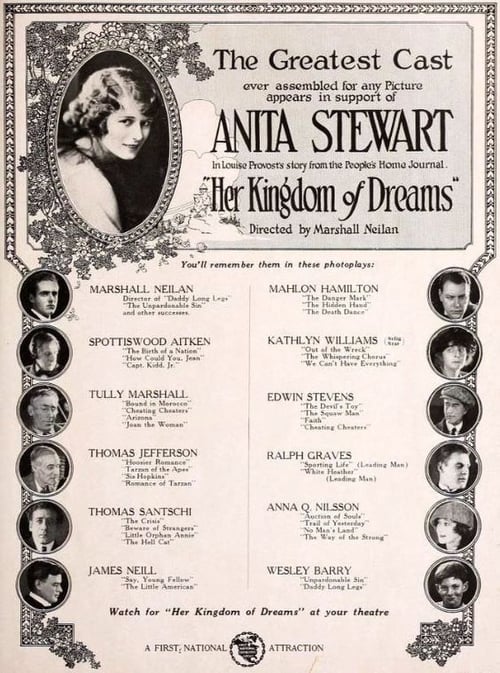
1919
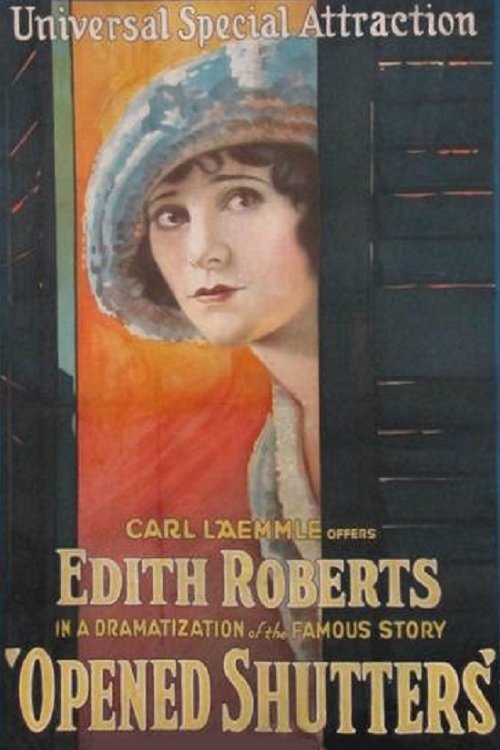
1921
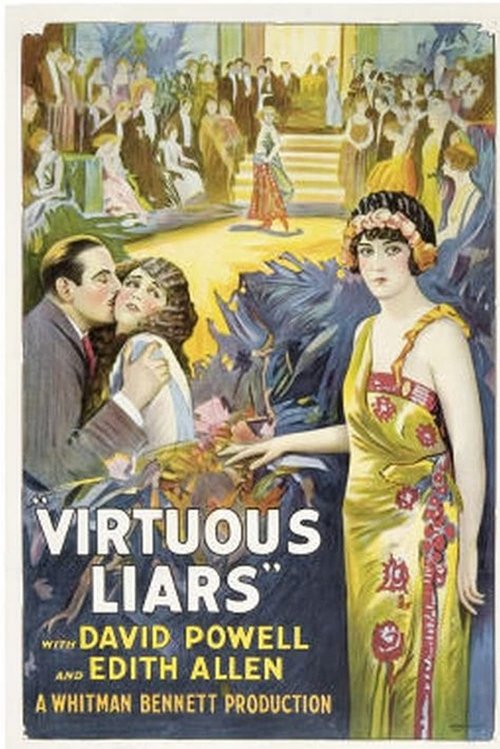
1924
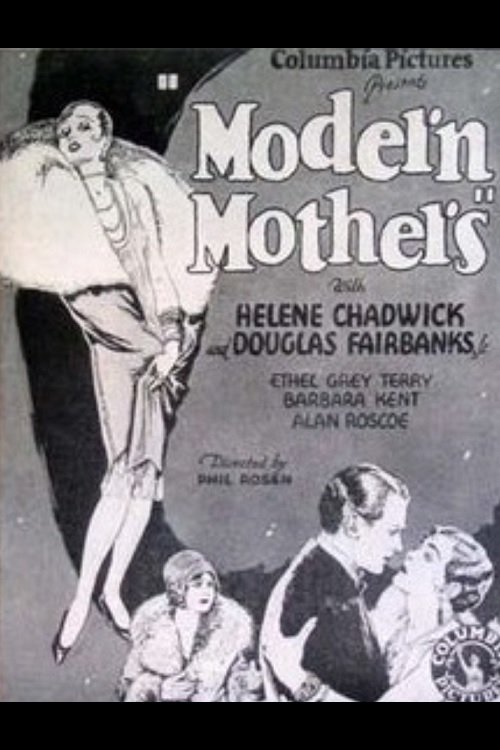
1928
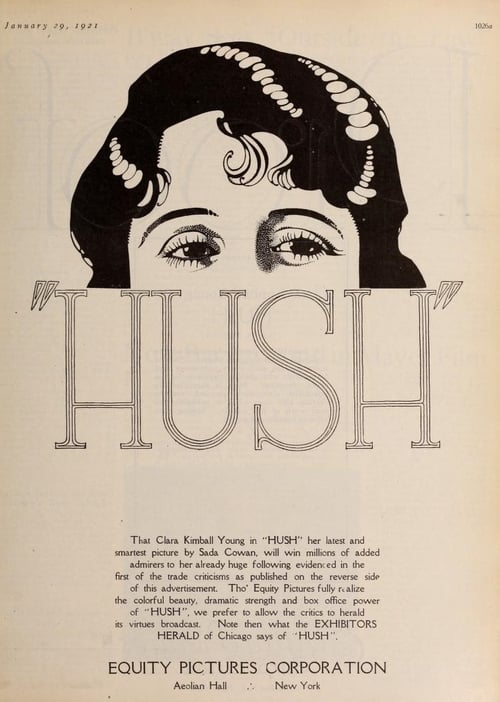
1921
1925
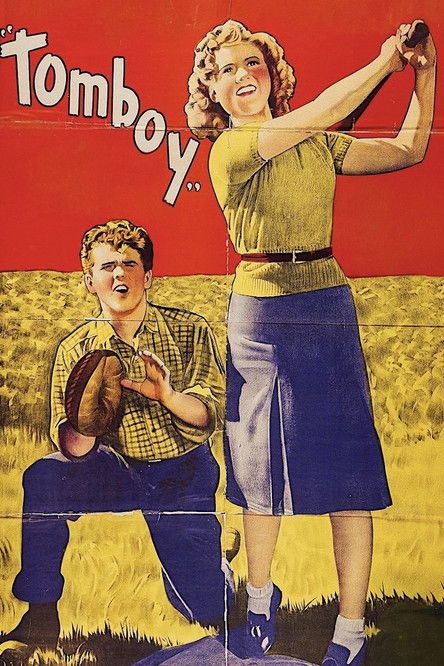
1940
No reviews yet. Be the first to share your thoughts on this movie!
Use the rating form above to leave a star rating and optional review.