Speedway
1929
No user ratings available yet
Diversity score: 1.7 out of 10
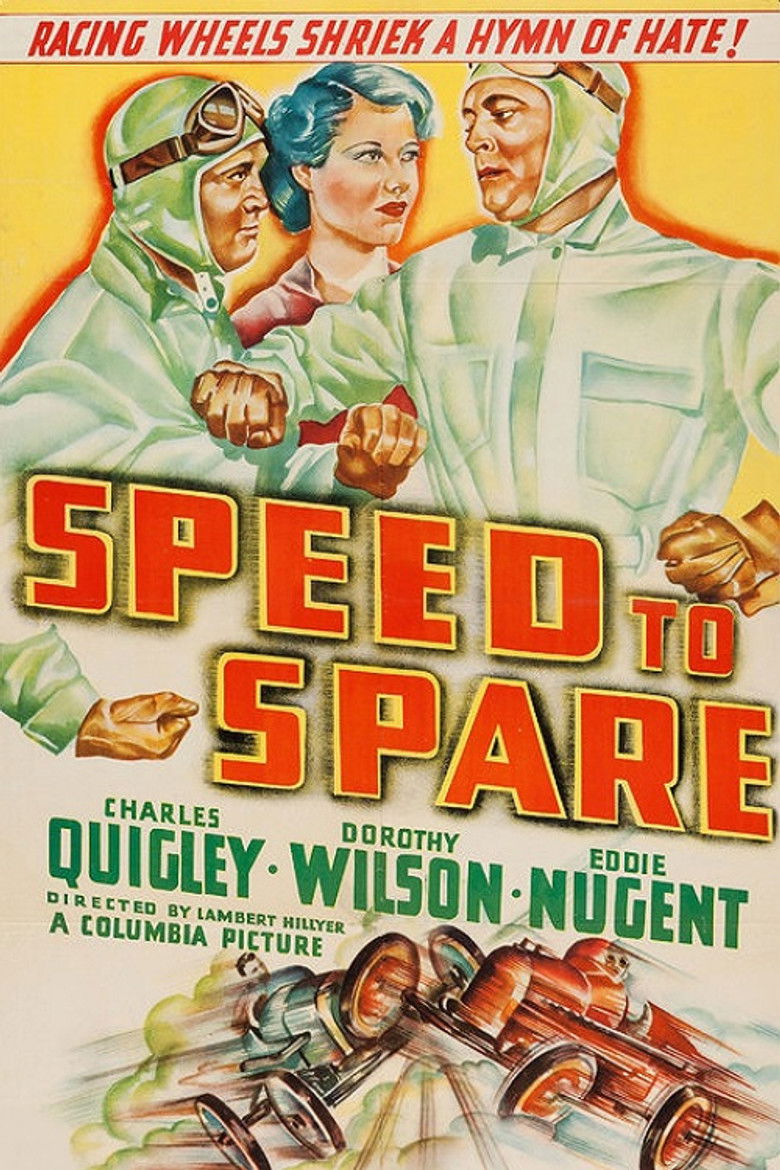
1937
ApprovedDirector
Lambert Hillyer
Runtime
60 minutes
Average Rating
No ratings yetSynopsis
The champion race car driver Tommy Morton is the eternal rival to less-ethical speed king Larry 'Skids' Brannigan. What no one knows is that Tommy and Skids are actually brothers, separated at birth. Driven by a filial devotion that he can't explain, Tommy tries to dissuade Skids from recklessness, only to be "repaid" when Skids tries to steal away Tommy's blond girl-friend Eileen Hart.
Overall Score
Limited
Category Breakdown
LGBTQ+ Representation
The film operates within the heteronormative constraints of 1930s studio drama. There are no depictions of same-sex intimacy or non-cisnormative identities.
Gender Representation
The plot centers on a masculine rivalry between two male drivers. The female lead serves as a romantic prize to be stolen, reinforcing traditional gender hierarchies.
Racial & Ethnic Diversity
The narrative focuses on a homogeneous cast typical of the era. It reflects an Anglo-centric storytelling approach with no evidence of a diverse ensemble.
Religious & Cultural Diversity
The story utilizes a traditional moral framework pitting ethics against recklessness. It explores filial devotion through a lens of conventional family loyalty.
Disability Representation
There is no information regarding the depiction of physical or neurodivergent disabilities in this film.
Strengths
Areas for Improvement
AI Analysis
Speed to Spare is a conventional 1930s drama that adheres strictly to the social and narrative hierarchies of its time. The story prioritizes a masculine-driven conflict between two racing rivals, using a female character primarily as a catalyst for male tension. The film lacks intersectional complexity, relying on established archetypes and a binary moral structure. It functions as a standard period piece that avoids subverting cultural norms or presenting diverse perspectives. Ultimately, the production reflects the era's tendency toward homogeneous casting and traditional gender roles, offering little in the way of modern representation or social critique.
1929
1927
1933
1932
1929

1936
1933
1978
1931
1935
1929
1936
No reviews yet. Be the first to share your thoughts on this movie!
Use the rating form above to leave a star rating and optional review.