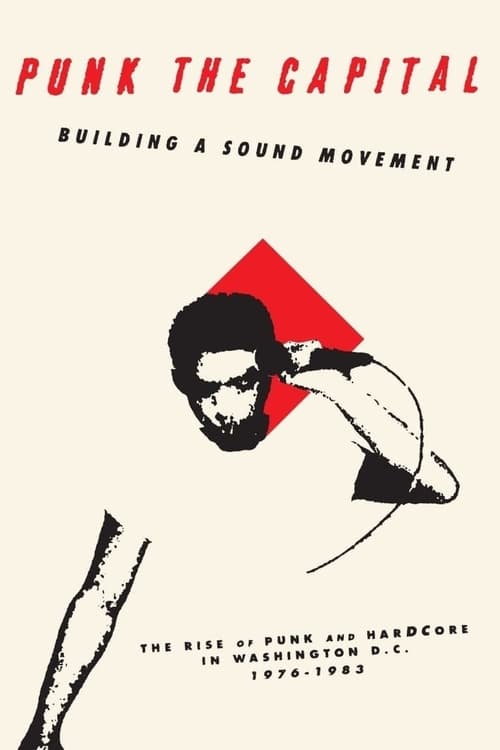
Punk the Capital: Building a Sound Movement
2019
No user ratings available yet
Representation score: 6.4 out of 10
Representation Score
Good
2006
Director
Gastão Moreira
Runtime
110 minutes
Average Rating
No ratings yetNew Showbiz Analysis
Botinada serves as a vital piece of cultural historiography, documenting the history of Brazilian punk from 1976 to 1984. By interviewing 77 subjects, the film prioritizes voices that exist outside mainstream media narratives. The documentary excels at capturing the socio-political complexity of Brazil, offering a deep look at subcultural rebellion. It effectively frames the movement as a challenge to established social structures and state authority. However, the film lacks explicit confirmation of specific multi-layered milestones. While the subject matter suggests high potential for LGBTQ+ and gender diversity, these elements are not explicitly documented as distinct narrative arcs.
Category Breakdown
The film explores a subculture that traditionally offers sanctuary to those with non-traditional identities. While specific LGBTQ+ character arcs are not explicitly detailed, the punk ethos inherently challenges assumptions about straight relationships.
The documentary focuses on a movement that disrupts traditional gender hierarchies through ideological alignment. It prioritizes individual identity over conventional social roles and domestic archetypes.
The narrative engages with Brazil's complex, multi-racial social fabric during a period of intense transition. It likely provides real power to diverse urban populations navigating systemic pressures.
The film deconstructs traditional institutions by centering anti-authoritarianism and social rebellion. It celebrates the punk experience as a legitimate form of cultural expression and liberation.
There is no specific evidence regarding the portrayal of visible or invisible disabilities within the documentary.
Present on Screen
Limited or Absent
Official Synopsis
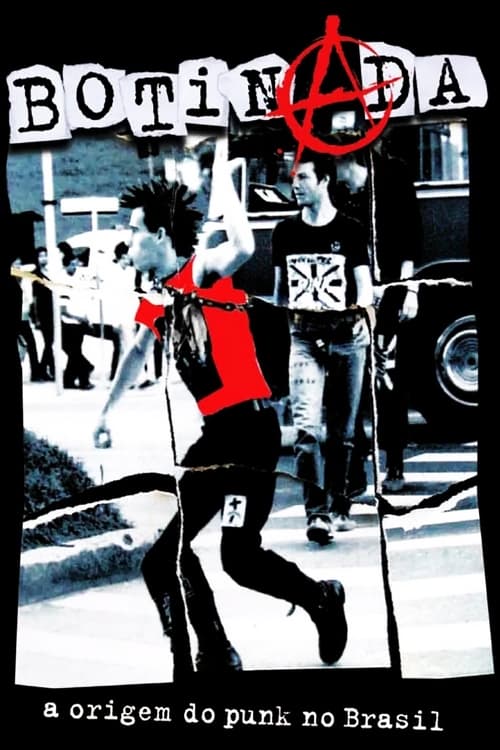
Botinada chronicles the origins of punk rock in Brazil, its first phase (1976-1984) and the whereabouts of its protagonists. Were 4 years of research, interviewed 77 people, thousands of hours in editing rooms, 200 hours of video and many rare and unpublished images compiled for the first time. Botinada brings out this amazing story told by punks who experienced body, soul and leather jacket this chaotic journey.
2019
1981
2006
2021
2005
2021
2007
2000
No reviews yet. Be the first to share your thoughts on this movie!
Use the rating form above to leave a star rating and optional review.