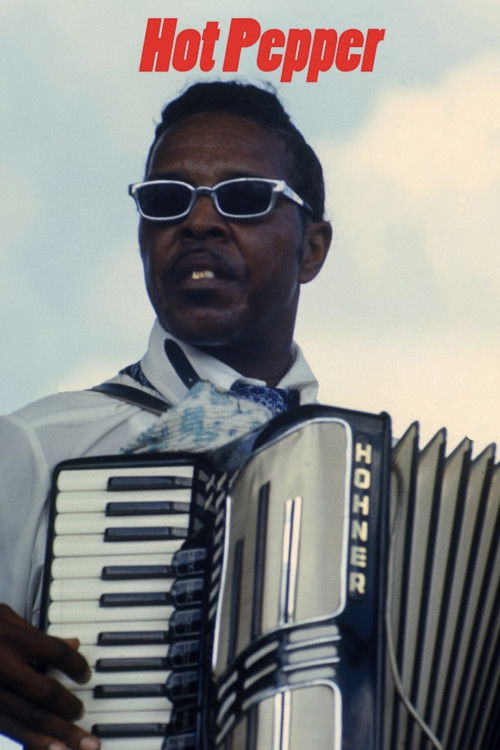
Hot Pepper
1973
No user ratings available yet
Representation score: 3.8 out of 10
Representation Score
Good
1978
Director
Les Blank
Runtime
58 minutes
Average Rating
No ratings yetNew Showbiz Analysis
Les Blank’s documentary is a masterclass in ethnographic filmmaking that centers Black musical traditions. By focusing on the second-line parades and the rhythms of New Orleans, the film successfully challenges Western institutional dominance. The work thrives on its portrayal of a multi-ethnic social ecosystem. It moves away from patriarchal or rigid social structures, instead highlighting a communal spirit where rhythm and shared social ability to act drive the narrative. While the film lacks specific focus on LGBTQ+ identities or disability representation, its strength lies in its authentic, non-mainstream cultural preservation. It offers a profound look at localized identity politics through music.
Category Breakdown
The film captures the social fluidity of the late 1970s through an observational lens. While it doesn't have explicit storylines focused on LGBTQ+ characters, the communal atmosphere feels open and free from strict social policing.
The documentary highlights the social interactions and communal movements in New Orleans. Both men and women are shown participating equally in the cultural life of the city, sharing a sense of collective ability to act.
This work excels by putting Black traditions and musical expressions at the forefront. It uses the diverse 'cultural gumbo' of New Orleans to challenge Anglo-centric historical norms through Black artistry.
The film focuses on local traditions and communal celebrations rather than centralized religious or commercial structures. It celebrates a subjective morality found in street parades and shared joy.
There is no significant evidence regarding the portrayal of visible or invisible disabilities within the film's observational context.
Present on Screen
Limited or Absent
Official Synopsis
A musical portrait of New Orleans' street celebrations and unique cultural gumbo in 1977: second-line parades, Mardi Gras, Jazz Fest. Features live music from Professor Longhair, the Wild Tchoupitoulas, the Neville Brothers and more. This glorious, soul-satisfying film is among Blank's special masterworks. Preserved by the Academy Film Archive in 1999.
1973
1981
2022
2018
1989
2021
1969
1999
No reviews yet. Be the first to share your thoughts on this movie!
Use the rating form above to leave a star rating and optional review.