Imagine: John Lennon
1988
No user ratings available yet
Representation score: 6.0 out of 10
Representation Score
Good
1997
Director
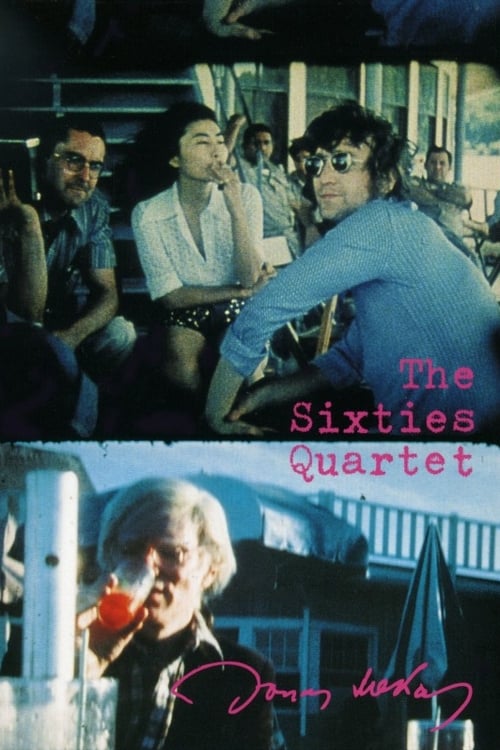
Jonas Mekas
Runtime
24 minutes
Average Rating
No ratings yetNew Showbiz Analysis
Jonas Mekas creates a documentary that captures the intersection of art and community in the 1970s avant-garde. By centering Yoko Ono and the collaborative spirit of the Fluxus movement, the film challenges traditional celebrity hierarchies. While the film depicts largely Anglo-centric social circles, it successfully portrays alternative social frameworks. It captures a time when traditional norms around gender and sexuality were being questioned. However, the film lacks representation of physical or neurodivergent disabilities and remains focused on a specific era of Western art history, limiting its broader racial and physical diversity.
Category Breakdown
The film includes figures like Allen Ginsberg, capturing a vibrant counter-cultural scene. This adds a layer of LGBTQ representation within the Fluxus movement.
By highlighting the partnership between John Lennon and Yoko Ono, the film challenges traditional masculine-centric narratives in rock music. It emphasizes a gender-fluid approach to art and fame.
The cast reflects the predominantly white social circles of the 1970s avant-garde. However, it captures diverse cultural influences through the Fluxus movement.
The film showcases alternative social structures and communal experiences. It focuses on decentralized, non-traditional spiritual practices rather than established Western religions.
There is no discernible evidence regarding the portrayal of physical or neurodivergent disabilities in this work.
Present on Screen
Limited or Absent
Official Synopsis
On October 9, 1972, the Everson Museum of Art in Syracuse hosted an exhibition of John Lennon and Yoko Ono’s work, designed by Fluxus artist George Maciunas. That same day, friends including Ringo Starr, Allen Ginsberg, and Paul Krassner gathered to celebrate Lennon’s birthday. Jonas Mekas’s film records the event in both image and sound, capturing the spirit of the moment and the community around Lennon and Ono.
1988
2021
2018
2011
2008
1990
1971
1992
No reviews yet. Be the first to share your thoughts on this movie!
Use the rating form above to leave a star rating and optional review.