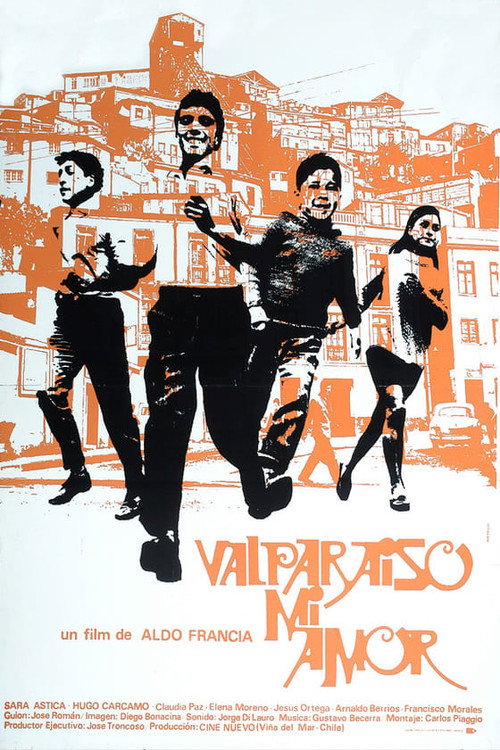
Valparaiso My Love
1969
No user ratings available yet
Representation score: 7.8 out of 10
Representation Score
Fair
1965
Director
Leonardo Favio
Runtime
79 minutes
Average Rating
No ratings yetNew Showbiz Analysis
Leonardo Favio’s work is a sophisticated exploration of cinematic realism. Using the principles of Third Cinema, the film goes beyond simple storytelling to offer a critical examination of systemic inequality and class struggle. The narrative dismantles the myth of social stability by showing how the breakdown of family, state, and economic institutions shapes the human condition. It reframes the protagonist's struggles as part of broader societal issues rather than isolated incidents. Despite the lack of explicit representation for certain identities, the film’s strength lies in its focus on the disenfranchised. It replaces traditional moralizing with a nuanced view of how oppressive environments impact individuals.
Category Breakdown
The film does not include any LGBTQ+ characters or stories. It focuses solely on the protagonist's socioeconomic journey in a traditional rural setting.
The film depicts the traditional gender roles of 1960s rural Argentina. It highlights the limited ability to act of women within these rigid social structures without glorifying patriarchal stability.
The movie provides an authentic depiction of the Argentine working class. By focusing on a non-elite rural population, it avoids urban-centric clichés and emphasizes local authenticity.
The film critiques systemic forces that lead to poverty. It presents delinquency as a result of an oppressive environment rather than a personal moral failing.
There are no characters with physical or neurodivergent disabilities. However, the film examines the vulnerability caused by systemic neglect and a lack of institutional support.
Present on Screen
Limited or Absent
Official Synopsis
The story of a delinquent eleven-year-old orphan in authoritarian Argentina.
1969
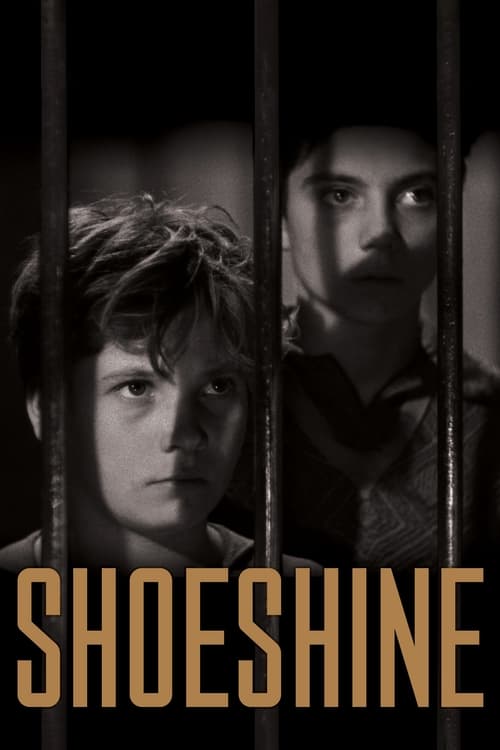
1946
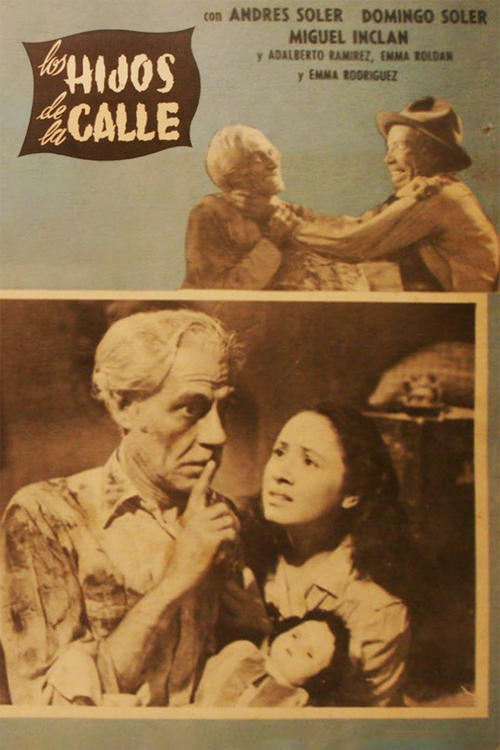
1951

1948

1983
1996

1975
1956
No reviews yet. Be the first to share your thoughts on this movie!
Use the rating form above to leave a star rating and optional review.