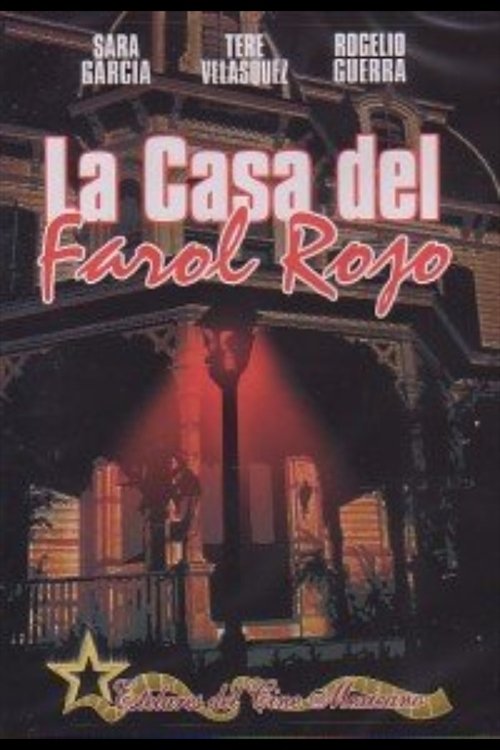
La Casa del Farol Rojo
1971
No user ratings available yet
Representation score: 3.6 out of 10
Representation Score
Fair
1951
Director
Roberto Rodríguez
Runtime
95 minutes
Average Rating
No ratings yetNew Showbiz Analysis
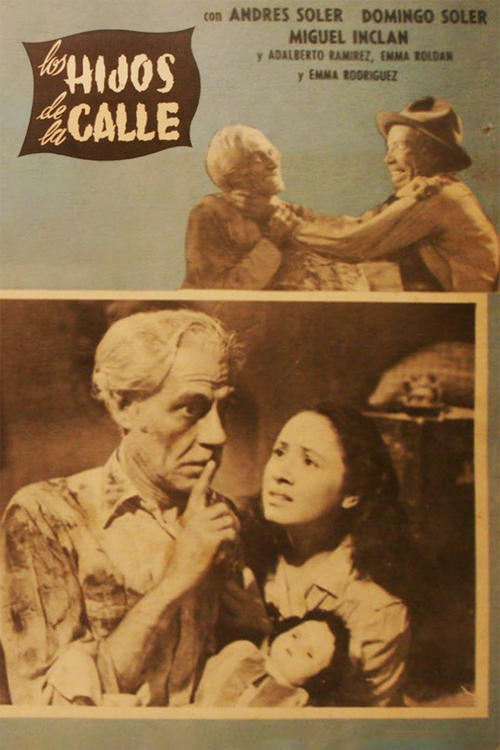
Los hijos de la calle is a period-specific social drama that emphasizes Mexican urban realities over Western cinematic norms. Its strength lies in its departure from Anglo-centric storytelling, offering a localized view of class-based struggles. However, the film remains confined by the dramatic traditions of its time. It lacks complexity in addressing multiple aspects of identity and does not challenge traditional gender or social hierarchies prevalent in mid-century Mexican cinema. Ultimately, while it provides a significant cultural counter-narrative to global dominance, it lacks intentional representation of LGBTQ+ identities or specific disability-focused ability to act.
Category Breakdown
The film follows the strict conventions of 1951 Mexican melodrama, focusing on heterosexual relationships and showing no evidence of non-traditional gender identities or same-sex intimacy.
Female characters like Evita Muñoz and María Eugenia Llamas play key roles in the narrative, emphasizing female and childhood perspectives. However, these roles adhere to traditional domestic hierarchies.
The film centers on Mexican actors and settings, providing a localized ethnic perspective that contrasts with Hollywood standards. It highlights Mexican urban realities.
The story focuses on the socioeconomic struggles of urban life, reflecting social realism rather than challenging ideological or secular norms.
There is no confirmed depiction of characters with neurodivergence or physical disabilities. The film might use social exclusion as a narrative device for street children.
Present on Screen
Limited or Absent
1971
1946
1945
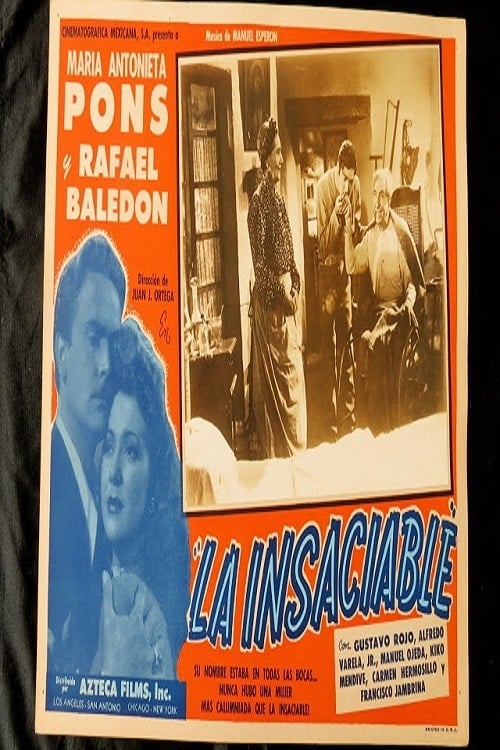
1947
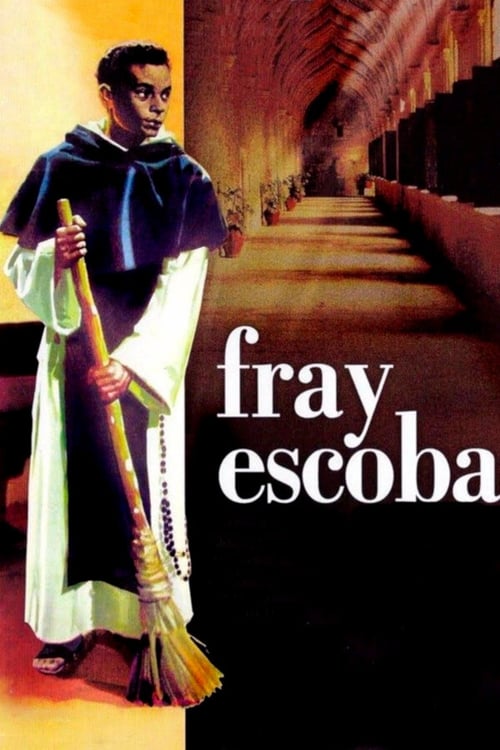
1961
1949
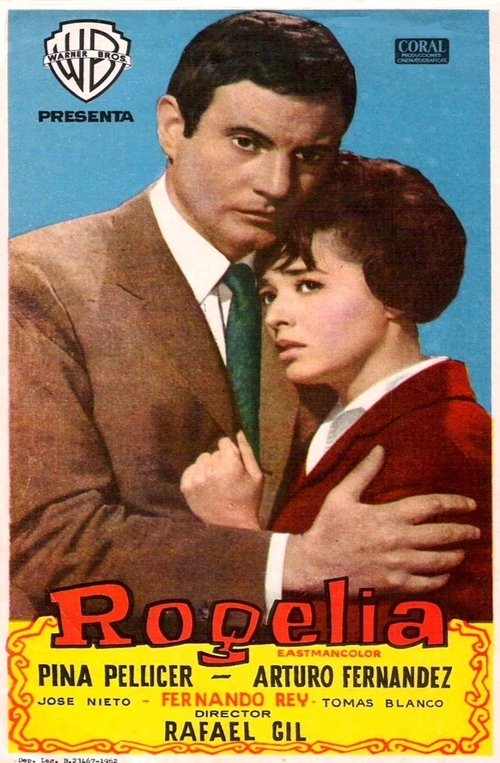
1962
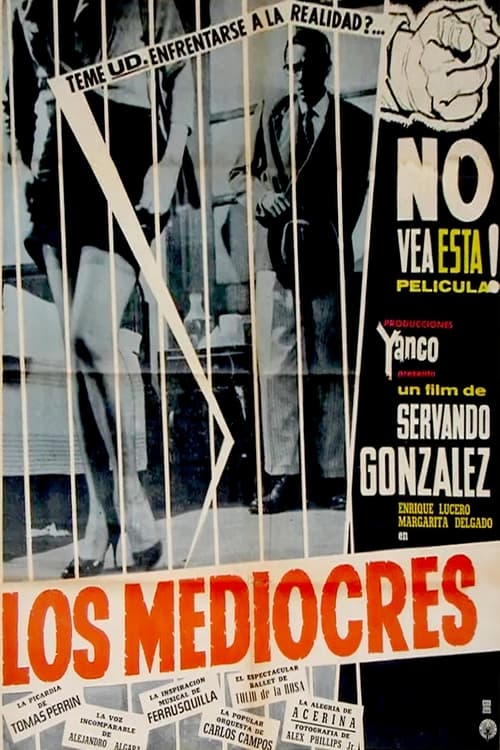
1966
No reviews yet. Be the first to share your thoughts on this movie!
Use the rating form above to leave a star rating and optional review.