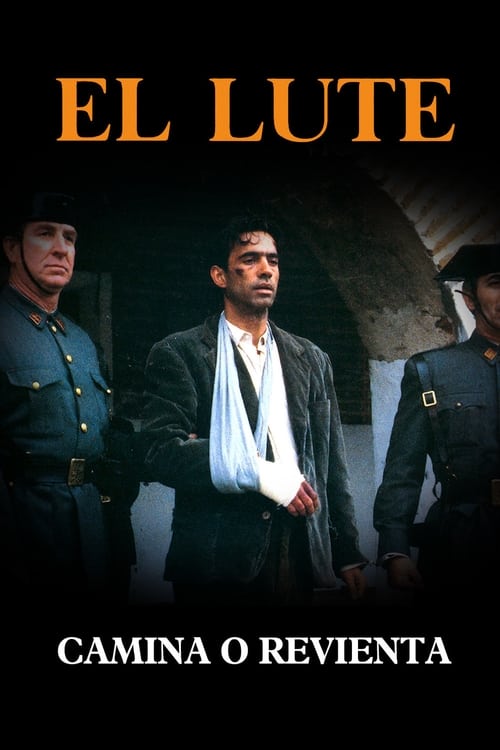
Lute: Forge On or Die
1987
No user ratings available yet
Representation score: 5.2 out of 10
Representation Score
Good
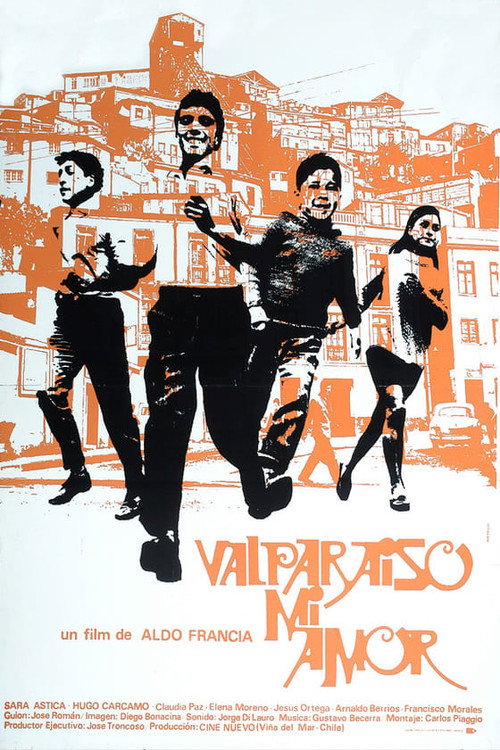
1969
Director
Aldo Francia
Runtime
90 minutes
Average Rating
No ratings yetNew Showbiz Analysis
Francina's film offers a powerful critique of systemic inequality, focusing on the underrepresented. It replaces the traditional hero's journey with a cycle of struggle. The film's regional authenticity and critique of the status quo are its strongest points. However, it limits its exploration of identity beyond class and ethnicity, lacking specific representation for LGBTQ+ individuals and disability.
Category Breakdown
The film centers on class struggle and economic survival without explicitly addressing non-straight or non-cisgender identities. It stays within traditional social realism.
Women in the film show strength and resilience, navigating a patriarchal and exploitative system strategically.
The film features a predominantly Latino cast, authentically depicting the Chilean working class and highlighting ethnic identity.
The movie critiques capitalism and state authority as oppressive forces. It redefines the traditional family unit, linking survival-based crime to systemic inequality.
Disability is not a main theme. The film focuses on socioeconomic hardship, which affects characters physically and psychologically, but does not center on specific disabilities.
Present on Screen
Limited or Absent
Official Synopsis
A story inspired by real events that took place in the port of Valparaiso. Four poor children have been abandoned because their father, who is out of work, steals cattle to feed them and the police have arrested him. The story takes up the children's point of view and is structured in four episodes that describe their inevitable descent into the world of marginality and crime. Faced with life in a brutal way, from their problematic social situation, they head towards a marginality that is difficult to avoid.
1987

1980
1994
1950
1965
1994
1956

2014
No reviews yet. Be the first to share your thoughts on this movie!
Use the rating form above to leave a star rating and optional review.