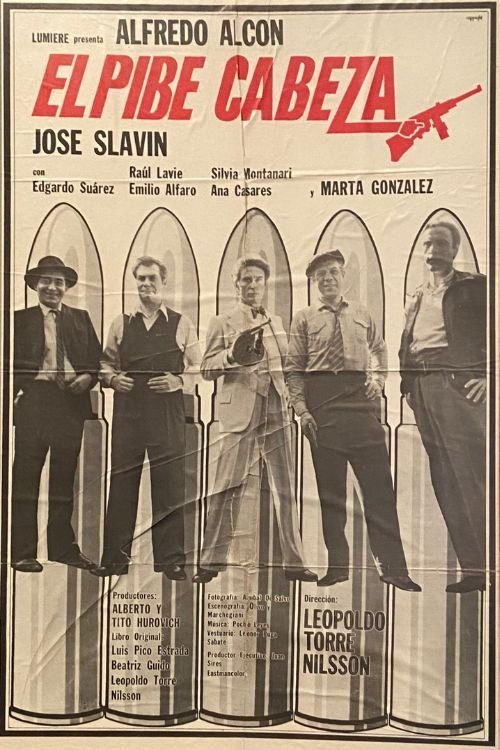
Kid Head
1975
No user ratings available yet
Representation score: 4.2 out of 10
Representation Score
Fair
1975
Director
Leopoldo Torre Nilsson
Runtime
84 minutes
Average Rating
No ratings yetNew Showbiz Analysis
Leopoldo Torre Nilsson’s drama is a somber exploration of social decay, focusing on the helplessness of an aging generation facing extreme urban violence. The film functions primarily as a thematic critique of collapsing social institutions and the failure of the state to protect its citizens. While the work offers a sophisticated deconstruction of traditional social stability, it lacks representation of multiple aspects of identity. The narrative is driven by class-based violence and the breakdown of order rather than a diverse range of identities. Ultimately, the film is a study of systemic corruption and the vulnerability of the elderly, prioritizing allegorical social commentary over explicit representation of underrepresented groups.
Category Breakdown
The film focuses on generational conflict and urban violence rather than non-traditional gender identities. There are no documented LGBTQ+ character arcs or critiques of the assumption that everyone is straight.
The narrative prioritizes the male experience of vulnerability and the loss of patriarchal authority. It centers on aging men navigating a landscape of extreme violence.
The film reflects the demographic realities of Buenos Aires. It suggests a study of urban stratification and class-based violence rather than a multi-ethnic ensemble.
The film excels in its critique of institutional stability and the breakdown of law and order. It portrays the erosion of traditional social contracts through systemic decay.
There is no evidence that disability or neurodivergence are central to the character arcs or plot progression.
Present on Screen
Limited or Absent
Official Synopsis
In Buenos Aires, Argentina, Isidoro Vidal and his friends, who are in the transition between maturity and old age, watch in stupefaction and helplessness as gangs of extremely violent young men roam the streets murdering elderly people with absolute impunity.
1975

1980

2001
1950
1962

1958
1986
1977
No reviews yet. Be the first to share your thoughts on this movie!
Use the rating form above to leave a star rating and optional review.