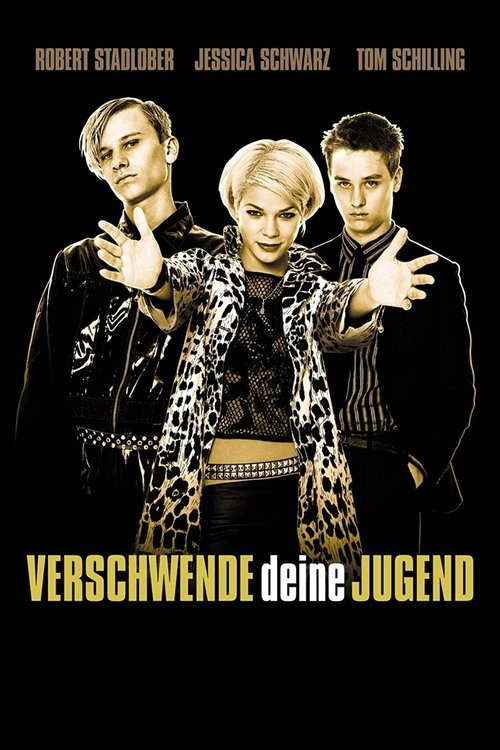
Wasted Youth
2003
No user ratings available yet
Diversity score: 3.9 out of 10
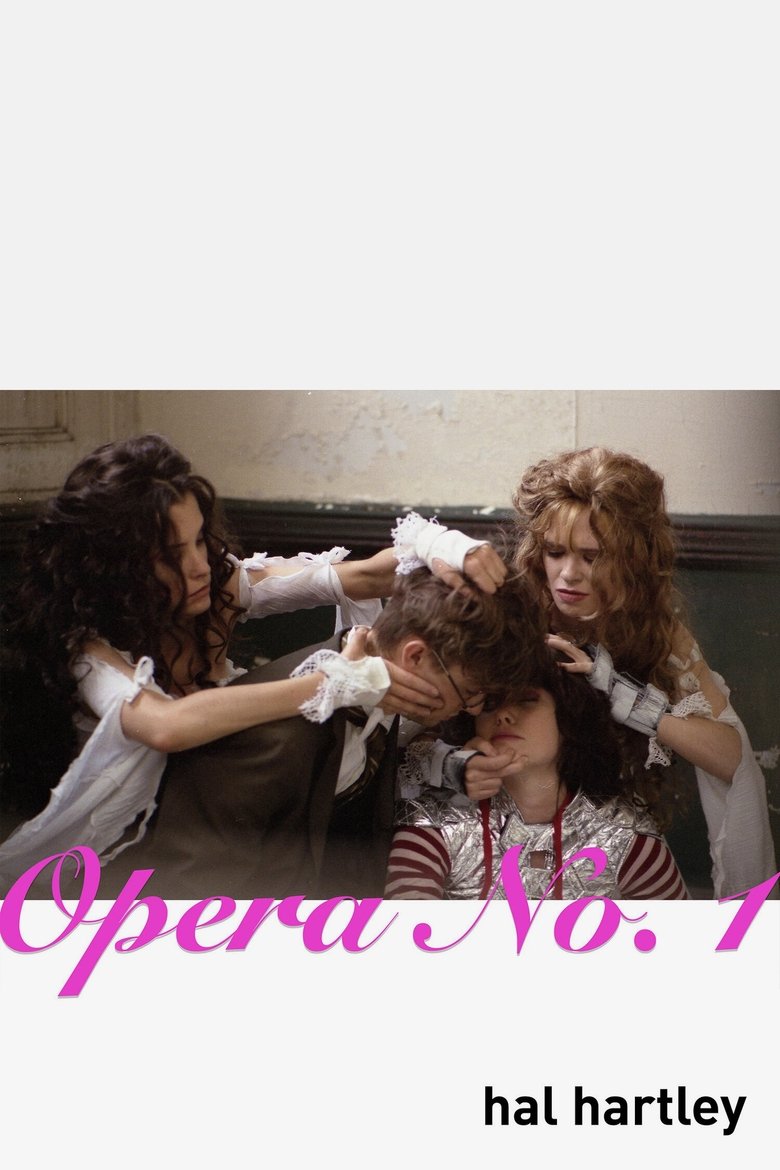
1994
Director
Hal Hartley
Runtime
8 minutes
Average Rating
No ratings yetSynopsis
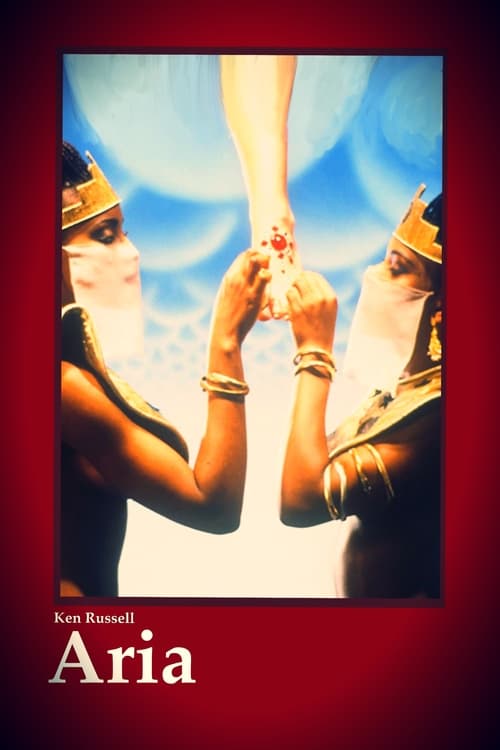
A comical mini opera following the exploits of two goddesses interfering with the lives of mortals. Mistaken identities, miscast spells, and rollerblades abound.
Overall Score
Good
Category Breakdown
LGBTQ+ Representation
The film subverts heteronormative romantic tropes through irony and absurdism. While it lacks centralized LGBTQ+ narratives, it engages with non-traditional relationship structures.
Gender Representation
Goddesses act as primary drivers of the plot, disrupting traditional patriarchal control. The deadpan style also deconstructs conventional masculine posturing.
Racial & Ethnic Diversity
The narrative focuses on a bohemian, urban demographic. There is no evidence of a multi-ethnic cast or intersectional racial narratives.
Religious & Cultural Diversity
The mini-opera structure critiques traditional Western social structures. It favors moral relativism and the deconstruction of social norms over singular moralities.
Disability Representation
Characters exhibit eccentric behaviors, but there is no evidence of physical or neurodivergent disabilities as central narrative elements.
Strengths
Areas for Improvement
AI Analysis
Hal Hartley’s *Opera No. 1* uses a surrealist, postmodern framework to challenge traditional cinematic and social hierarchies. Its strength lies in its ability to disrupt conventional expectations of character agency and narrative structure. The film excels at deconstructing gender roles and social norms through its use of goddesses and existential irony. By prioritizing absurdity over traditionalism, it creates a progressive, albeit fragmented, narrative environment. However, the work lacks documented proactive diversity regarding race and disability. The focus remains heavily on philosophical inquiry and urban bohemianism rather than explicit intersectional representation.
2003
1975
2018
1981
2009
1987
2003

2008
2006
2007
1990
1992
No reviews yet. Be the first to share your thoughts on this movie!
Use the rating form above to leave a star rating and optional review.