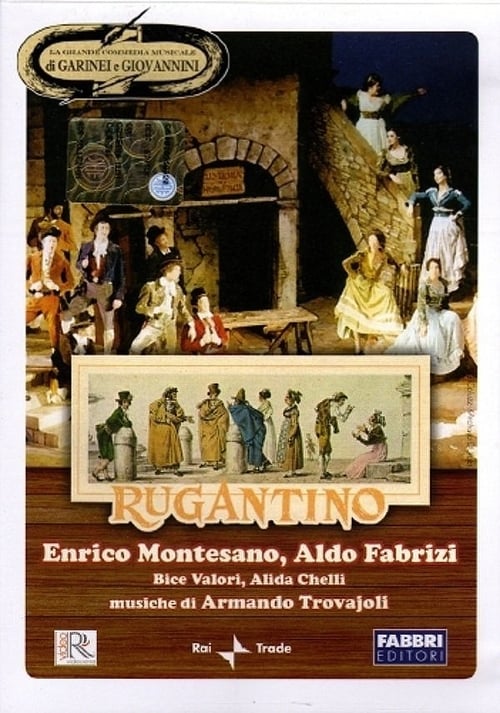
Rugantino
1978
No user ratings available yet
Representation score: 1.1 out of 10
Representation Score
Limited
1981
Director
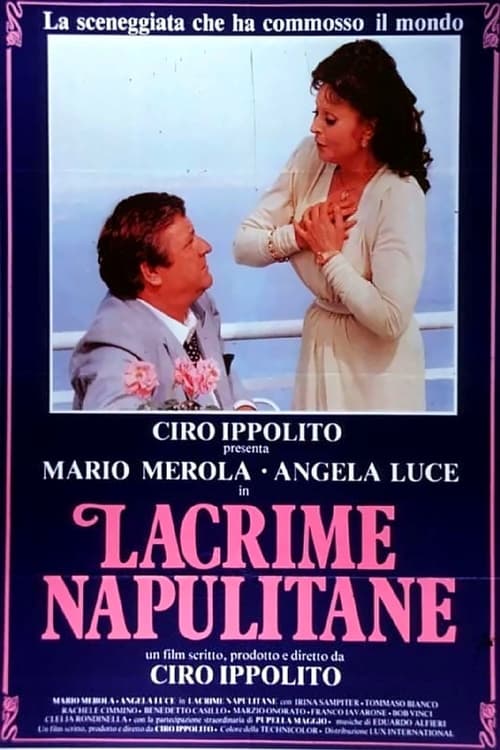
Ciro Ippolito
Runtime
107 minutes
Average Rating
No ratings yetNew Showbiz Analysis
Ciro Ippolito’s work preserves local heritage rather than challenging systemic social norms. It is deeply rooted in Neapolitan culture, focusing on regional traditions and musical expression over broad, storytelling that reflects multiple aspects of identity. While the film provides meaningful representation of specific regional identity, it remains confined by the conventional social and gender hierarchies of early 1980s Mediterranean cinema. The narrative structure centers on localized nuances rather than globalized perspectives. Overall, the film is a culturally specific piece that reflects the demographic and social realities of its era and setting.
Category Breakdown
The film doesn't show any LGBTQ+ identities or same-sex intimacy, sticking to the social norms of early 1980s regional European cinema.
Female characters likely fit within the typical domestic or romantic roles common to 1981 musical dramas. They may have emotional influence but don't challenge traditional gender roles.
The story focuses on local Neapolitan traditions and doesn't blend in multi-layered racial diversity.
The film highlights localized identity and regional pride, emphasizing Neapolitan music and traditions to create a strong sense of regional ethnic identity.
There is no documented evidence of the portrayal of physical or neurodivergent disabilities in this work.
Present on Screen
Limited or Absent
1978
1979
1986
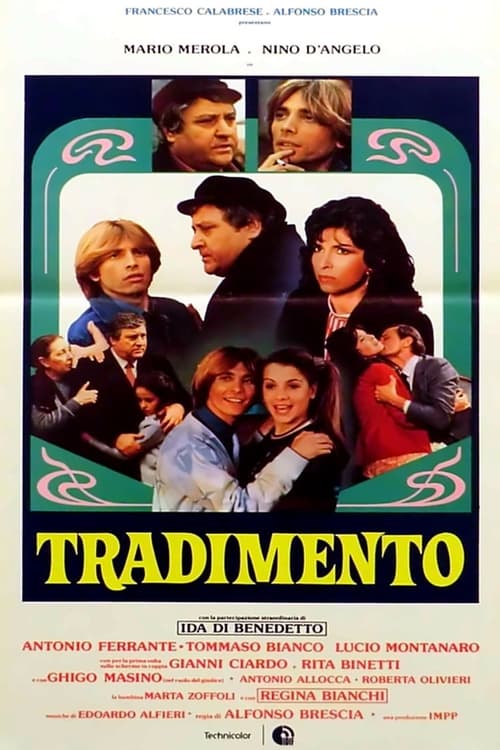
1982
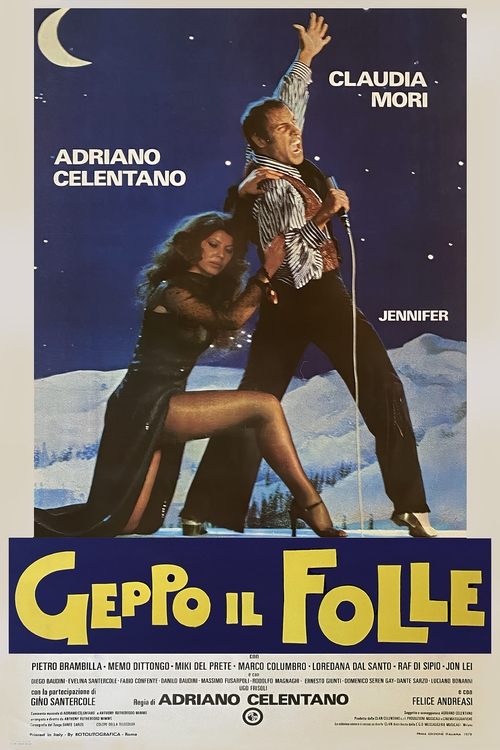
1978
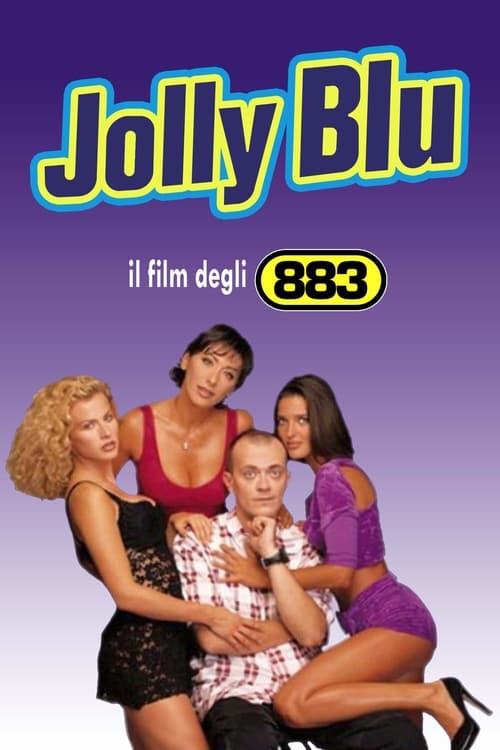
1998
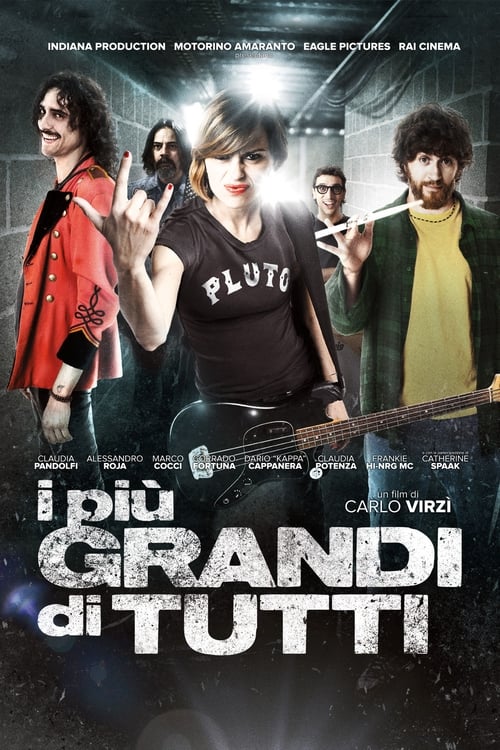
2012
1975
No reviews yet. Be the first to share your thoughts on this movie!
Use the rating form above to leave a star rating and optional review.