The Magic Flute
1975
No user ratings available yet
Representation score: 3.3 out of 10
Representation Score
Minimal
2006
PGDirector
Kenneth Branagh
Runtime
133 minutes
Average Rating
No ratings yetNew Showbiz Analysis
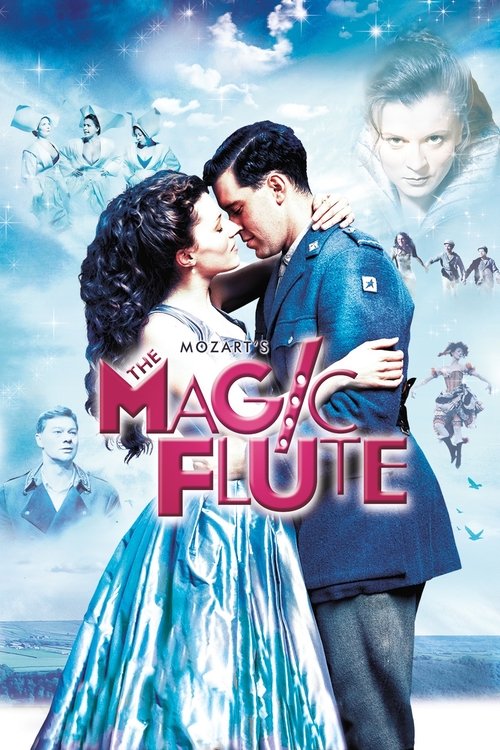
Kenneth Branagh’s adaptation preserves the traditional structure of the original opera. It prioritizes faithfulness to Mozart’s work over contemporary social critiques. The film upholds 18th-century moral frameworks without challenging them. While the international cast adds a global dimension, the narrative does not intentionally disrupt conventional expectations. The focus remains on grandeur and theatricality within a historical or fantastical setting. Overall, the film operates within a framework centered on traditional Western values and lacks exploration of diverse romantic dynamics.
Category Breakdown
The film strictly follows the archetypal structures of the original opera. There are no depictions of LGBTQ+ identities or same-sex relationships among the characters.
The story features a dualistic power dynamic between the Queen of the Night and Sarastro. Pamina shows resilience, but the narrative relies on traditional romantic and gender roles.
The casting includes diverse vocalists reflecting the international nature of the operatic community. However, the visual elements remain consistent with traditional Western aesthetics.
The story is grounded in Enlightenment-era ideals and mythological conflicts. It emphasizes classical morality and quasi-religious structures without addressing modern critiques of Western institutions.
There are no prominent depictions of physical, neurodivergent, or sensory disabilities. These traits do not significantly influence the plot or characters.
Present on Screen
Limited or Absent
Official Synopsis
During World War I, in an unnamed country, a soldier named Tamino is sent by the Queen of the Night to rescue her daughter Pamina from the clutches of the supposedly evil Sarastro. But all is not as it seems.
1975

1979

2025
1999

1931
1994
2022
1972
No reviews yet. Be the first to share your thoughts on this movie!
Use the rating form above to leave a star rating and optional review.