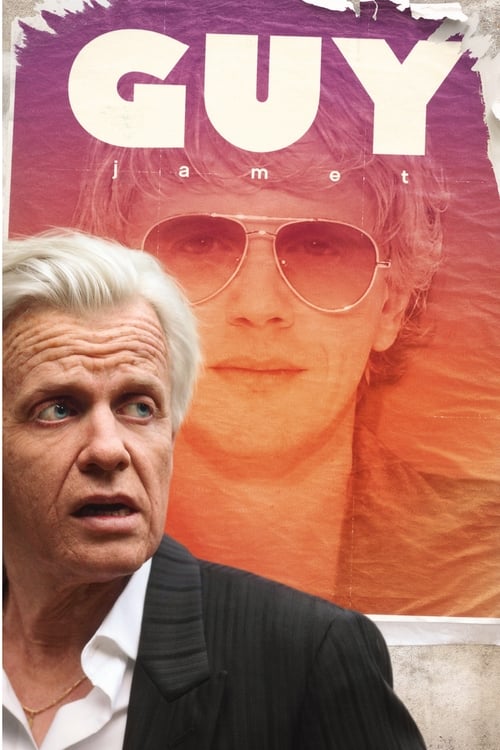
Guy
2018
No user ratings available yet
Diversity score: 5.3 out of 10

2009
Director
Tsai Ming-liang
Runtime
138 minutes
Average Rating
No ratings yetSynopsis
Hsiao-Kang, a Taiwanese film director, travels to the Louvre in Paris, France, to shoot a film that explores the Salomé myth.
Overall Score
Fair
Category Breakdown
LGBTQ+ Representation
The film lacks explicit depictions of LGBTQ+ identities or romantic pairings. It remains centered on profound individual solitude rather than exploring non-normative intimacy.
Gender Representation
By focusing on solitary existence, the film avoids reinforcing traditional masculine leadership or domestic femininity. This subversion stems from existential isolation rather than a direct critique of gender roles.
Racial & Ethnic Diversity
The film centers an East Asian perspective on modernity and alienation through a predominantly Taiwanese cast. It resists Western narrative homogenization by maintaining a culturally specific lens.
Religious & Cultural Diversity
The narrative adopts a postmodern stance by prioritizing subjective experience over religious or patriotic frameworks. It portrays the urban environment as a space of stagnation rather than progress.
Disability Representation
There are no prominent depictions of visible or invisible disabilities. The characters navigate a mundane socioeconomic reality that does not center neurodivergence or physical impairment.
Strengths
Areas for Improvement
AI Analysis
Visage is a meditative study of urban alienation that prioritizes atmosphere over traditional plot progression. It succeeds in disrupting conventional social structures by focusing on the void of individual existence rather than the cohesion of family or romance. However, the film lacks the explicit intersectional character arcs or diverse identity representations necessary for a higher score. Its approach to diversity is often a byproduct of its existential themes rather than a deliberate, character-driven exploration of identity. Ultimately, the film offers a nuanced critique of contemporary existence through a postmodern lens, even if it remains neutral on many specific social representation fronts.
2018
2014

2009
2003

2021
2001
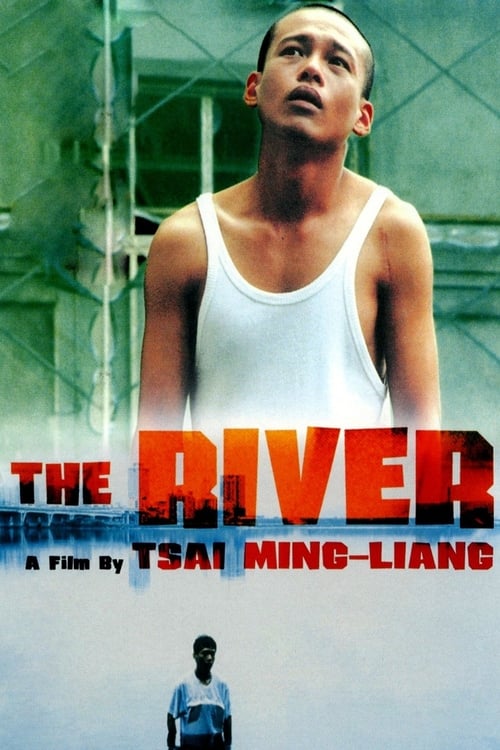
1997
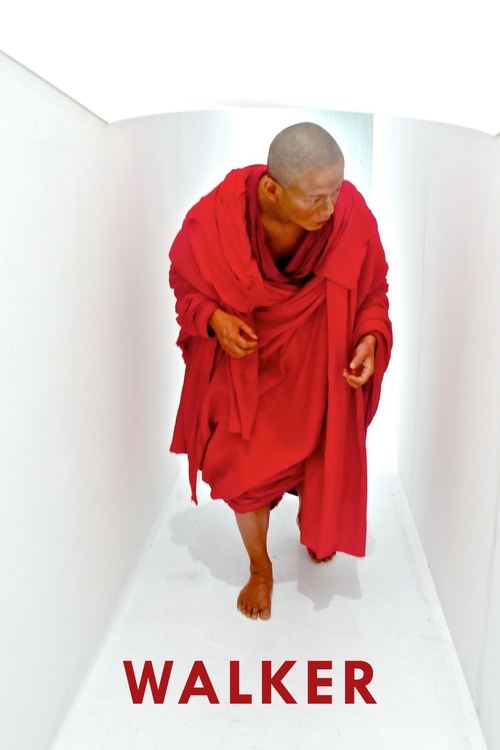
2012

1995
No reviews yet. Be the first to share your thoughts on this movie!
Use the rating form above to leave a star rating and optional review.