The Concert
1974
No user ratings available yet
Representation score: 3.9 out of 10
Representation Score
Good
2003
RDirector
Guy Maddin
Runtime
100 minutes
Average Rating
No ratings yetNew Showbiz Analysis
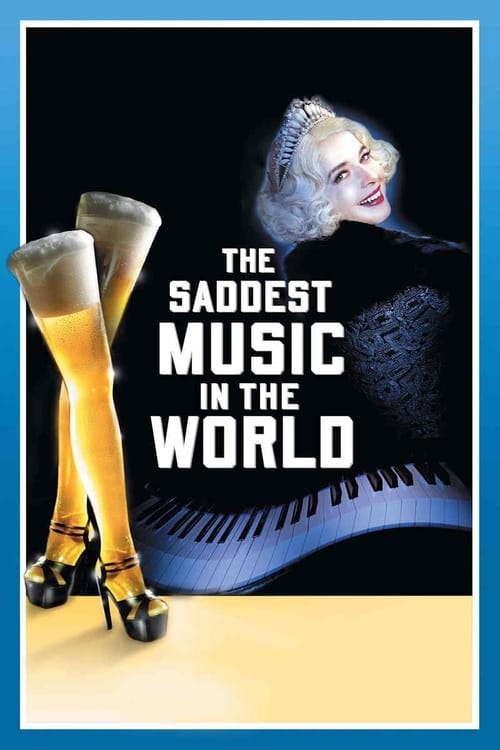
Guy Maddin’s work succeeds as a postmodern disruption of traditional cinematic norms. It excels in challenging traditional gender hierarchies and embracing queer aesthetics through stylized melodrama and camp. These elements create a sophisticated, non-traditional emotional landscape. However, the film is limited by its historical aesthetic, which results in a lack of racial diversity. The homogeneous cast reflects the era's visual clichés rather than seeking to disrupt them. Ultimately, the film trades traditional inclusivity for a highly specialized, avant-garde exploration of grief and artifice. It is a work of significant psychological complexity that prioritizes aesthetic subversion over broad representation.
Category Breakdown
The film uses camp and strong hints of romantic tension between men to challenge typical gender roles. It focuses on emotional depth that aligns with queer artistic traditions rather than showing clear same-sex relationships.
Women's ability to drive the story is highlighted through the power dynamics between a professional mourner and a beer baroness. The film challenges traditional gender roles by emphasizing feminine intelligence and psychological complexity.
The cast is mostly uniform, depicting a stylized, decaying Depression-era Winnipeg. The film does not include intentional racial diversity or casting actors outside traditional roles. It stays true to the visual clichés of early silent cinema.
The narrative explores moral ambiguity and fragmented truths through a surreal lens. Religious imagery is used as a stylistic element of funeral rites rather than a direct critique of religious institutions.
The legless baroness is a central figure whose disability is integrated into her identity and power. Her condition is part of a broader grotesque aesthetic rather than just a plot device.
Present on Screen
Limited or Absent
Official Synopsis
In Depression-era Winnipeg, a legless beer baroness hosts a contest for the saddest music in the world, offering a grand prize of $25,000.
1974

1986
1944
1979
2003
2020
1996
1997
No reviews yet. Be the first to share your thoughts on this movie!
Use the rating form above to leave a star rating and optional review.