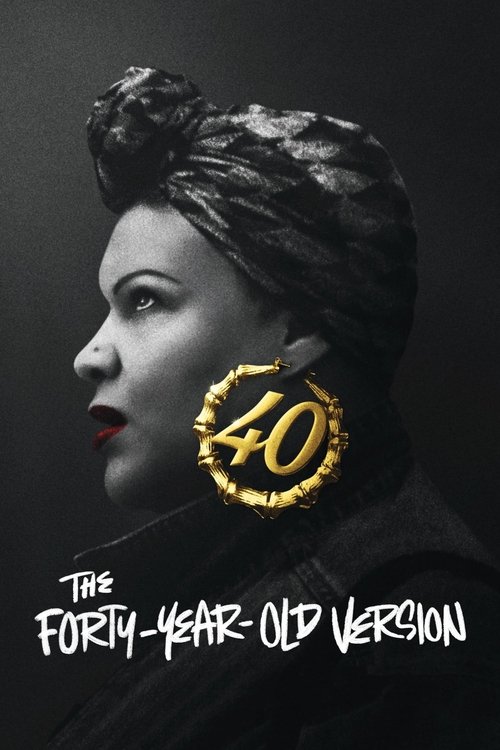
The Forty-Year-Old Version
2020
No user ratings available yet
Representation score: 9.1 out of 10
Representation Score
Good
2018
Not RatedDirector
Suzi Yoonessi
Runtime
80 minutes
Average Rating
No ratings yetNew Showbiz Analysis
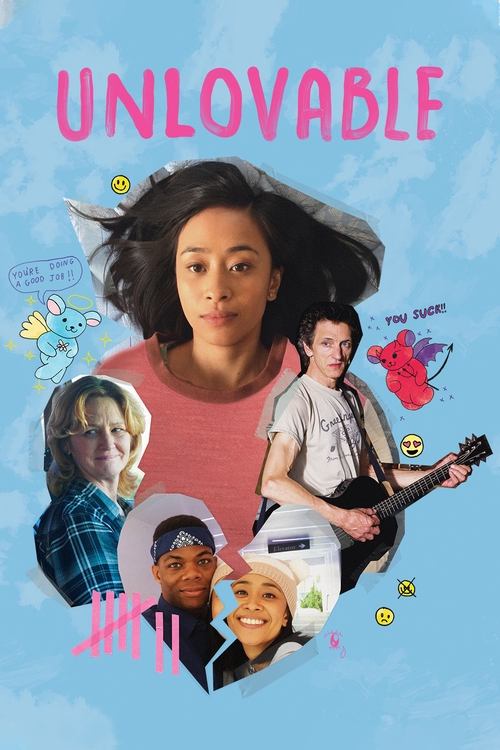
Unlovable serves as a character study that challenges the conventional structure of the romantic comedy genre. By shifting the focus to a female-driven perspective of romantic disillusionment and self-discovery, the film finds progressive value. Its strength lies in rejecting traditional narrative resolutions and emphasizing the complexity of human connections. It offers a nuanced alternative to mainstream cinematic clichés by prioritizing emotional realism over idealized storylines. However, the film lacks overt activism around identity issues or significant representation of disability and LGBTQ+ communities. While it moves away from a homogeneous cast, it does not deeply explore specific ethnic stories or neurodivergent experiences.
Category Breakdown
The film doesn't focus on queer identities or relationships that challenge the assumption that everyone is straight or cisgender. It stays neutral without highlighting queer characters or critiquing straight-centered assumptions.
The story disrupts traditional gender roles by centering a female protagonist's control and sexual freedom. It avoids common gender clichés, focusing on her internal struggles and emotional vulnerability rather than male validation.
A diverse cast helps move the film away from a homogeneous presentation. Including a protagonist of color adds complexity to the urban setting.
The story breaks down the 'happily ever after' cliché by emphasizing personal emotional truths. It avoids traditional romantic milestones in favor of a more modern, individualistic approach.
There is no significant evidence of neurodivergence, physical disabilities, or mental health conditions being central to the plot. Characters operate within a typical physical framework.
Present on Screen
Limited or Absent
Official Synopsis
A sex and love addicted woman learns what real intimacy is when she starts making music with a reclusive man.
2020
2017
2021
2015
2016
2020

2021
2019
No reviews yet. Be the first to share your thoughts on this movie!
Use the rating form above to leave a star rating and optional review.