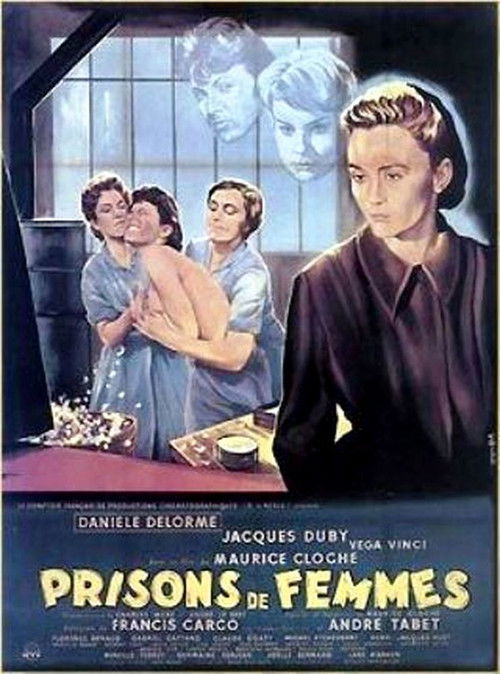
Women's Prison
1958
No user ratings available yet
Representation score: 5.6 out of 10
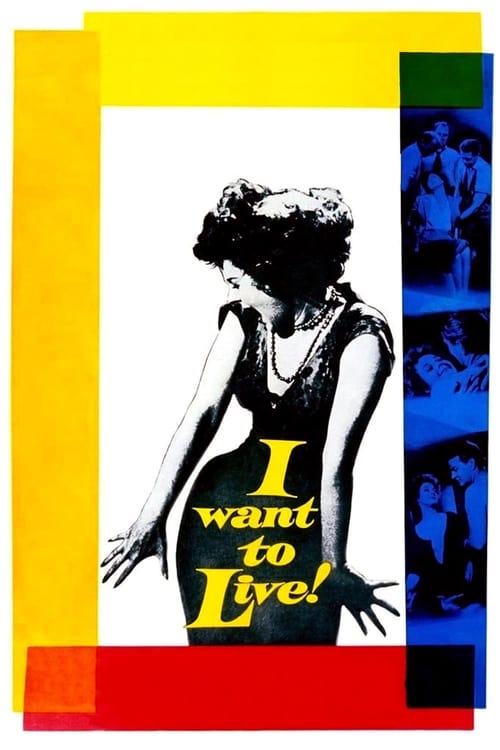
Representation Score
Fair
1958
NRDirector
Robert Wise
Runtime
120 minutes
Average Rating
No ratings yetNew Showbiz Analysis
The film functions as a critical examination of systemic power, emphasizing the individual's struggle against a rigid state apparatus. Although it lacks contemporary demographic variety, it offers progressive value through its narrative structure. Its main strength lies in challenging the perceived infallibility of legal institutions and subverting traditional gender roles. However, it remains constrained by the era's cinematic limitations, especially concerning racial and LGBTQ+ representation.
Category Breakdown
The film does not include any LGBTQ+ characters or explore non-straight relationships. The social environment adheres strictly to mid-century norms that assume everyone is straight.
The story revolves around a female protagonist who defies traditional feminine roles. She faces a heavily patriarchal legal and penal system, highlighting her struggle against such structures.
The plot centers on a predominantly white social circle in California. It does not use diverse casting to challenge the historical lack of representation during that time period.
The film questions the reliability of Western institutional authority, particularly the judicial system. It portrays the state's pursuit of justice as potentially flawed or hasty.
The movie does not significantly address physical, neurodivergent, or mental health disabilities. Characters are defined by their legal status rather than any disabilities.
Present on Screen
Limited or Absent
Official Synopsis
Brazen perpetual offender Barbara Graham tries to go straight but she finds herself implicated in a murder and sent to death row.
1958
1970
1950

1964
1952

1964
1953

1956
No reviews yet. Be the first to share your thoughts on this movie!
Use the rating form above to leave a star rating and optional review.