
Bad Girls Go to Hell
1965
No user ratings available yet
Representation score: 2.8 out of 10
Representation Score
Fair
1970
PGDirector
Barbara Loden
Runtime
103 minutes
Average Rating
No ratings yetNew Showbiz Analysis
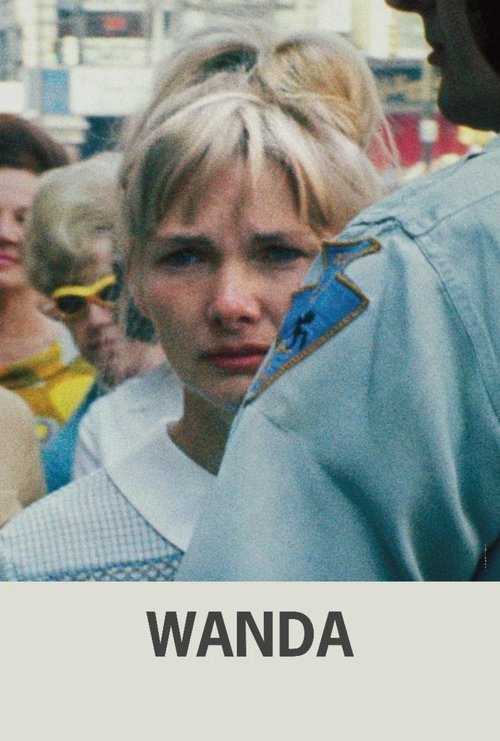
Wanda is a gritty, social realist study of socioeconomic entrapment. It excels at deconstructing traditional social hierarchies and critiquing the American Dream. By centering on a woman's struggle against dehumanizing systems, it offers a rare, unromanticized look at female subjectivity. However, the film lacks demographic breadth, focusing narrowly on a white, working-class environment. This results in limited representation of racial and LGBTQ+ identities. While it captures the psychological weight of poverty, it does not provide specific character studies regarding disability.
Category Breakdown
The film focuses solely on heterosexual relationships and assumes everyone is straight or cisgender. There are no queer narratives or characters with non-traditional gender identities.
The film challenges traditional gender roles by focusing on a female protagonist's perspective. Men are portrayed as stagnant or unreliable, which disrupts the usual male-centric viewpoint.
The cast is primarily made up of white actors, reflecting the white working class in industrial Pennsylvania. The film lacks diverse casting and focuses on a localized study of class-based issues.
The film critiques Western institutions such as the nuclear family and capitalism, portraying these systems as sources of alienation and decay.
There are no explicit depictions of physical or neurodivergent disabilities. However, the film captures a pervasive sense of psychological fragility and the exhaustion caused by systemic poverty.
Present on Screen
Limited or Absent
Official Synopsis
After a string of abusive relationships, Wanda abandons her family and seeks solace in the company of a petty criminal.
1965
1964
1973

1949
1950
1958

1969

1962
No reviews yet. Be the first to share your thoughts on this movie!
Use the rating form above to leave a star rating and optional review.