The Price of Silence
1959
No user ratings available yet
Representation score: 1.4 out of 10
Representation Score
Limited
1947
NRDirector
Robert Hamer
Runtime
92 minutes
Average Rating
No ratings yetNew Showbiz Analysis
Robert Hamer’s noir drama offers a sophisticated psychological study of domestic discontent, yet it remains a product of its mid-century era. The film's strength lies in its subversion of gendered expectations, moving away from the era's typical portrayal of the stable, submissive wife. However, the film lacks diversity in its cast, reflecting the limited demographic landscape of post-war London. There is no representation of racial, ethnic, or LGBTQ+ identities. Ultimately, while the film provides a meaningful critique of the traditional family structure, its lack of demographic variety keeps the overall diversity score low.
Category Breakdown
The film focuses on a traditional romantic triangle and an illicit affair, with no presence of LGBTQ+ characters or non-cisgender identities.
The film highlights Diana's psychological dissatisfaction and her drive for emotional fulfillment, avoiding submissive stereotypes.
The setting reflects the demographic realities of 1947 London, with a predominantly white cast and no significant racial or ethnic diversity.
The narrative prioritizes internal emotional truths over rigid social or religious morality, presenting the domestic sphere as a site of entrapment.
There is no representation of physical, sensory, or neurodivergent disabilities within the film's narrative.
Present on Screen
Limited or Absent
Official Synopsis
During a rainy Sunday afternoon, an escaped prisoner tries to hide out at the home of his ex-fiance.
1959
1937
1958

1952
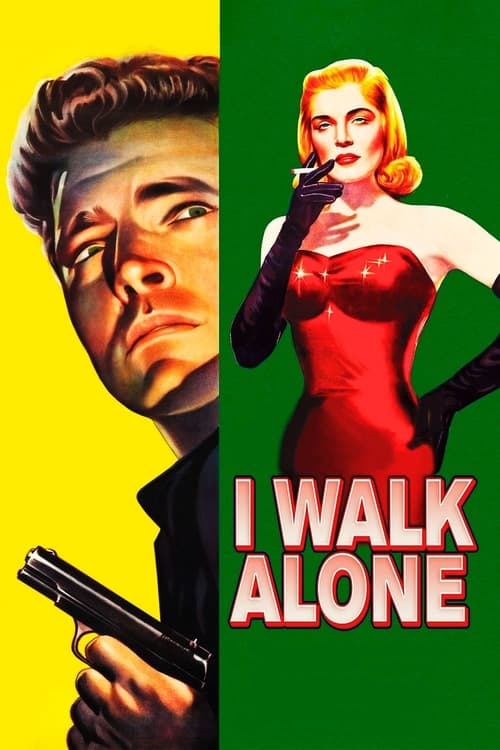
1947
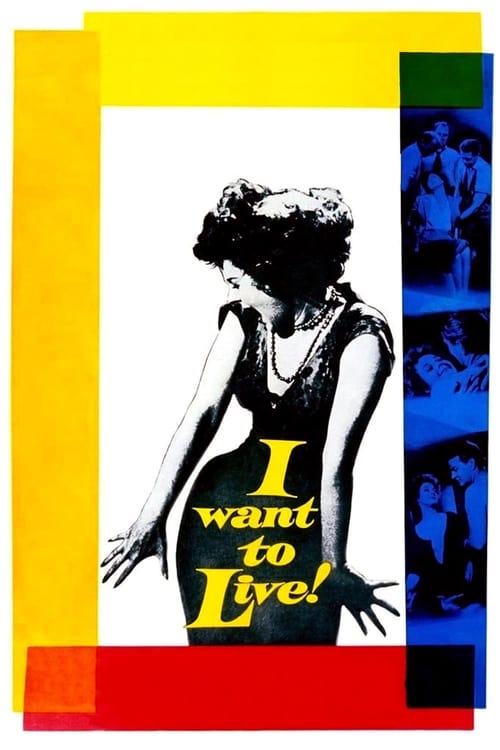
1958
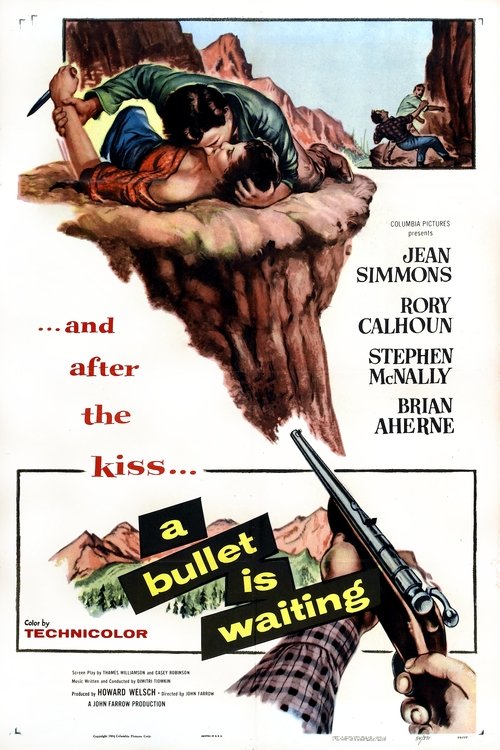
1954
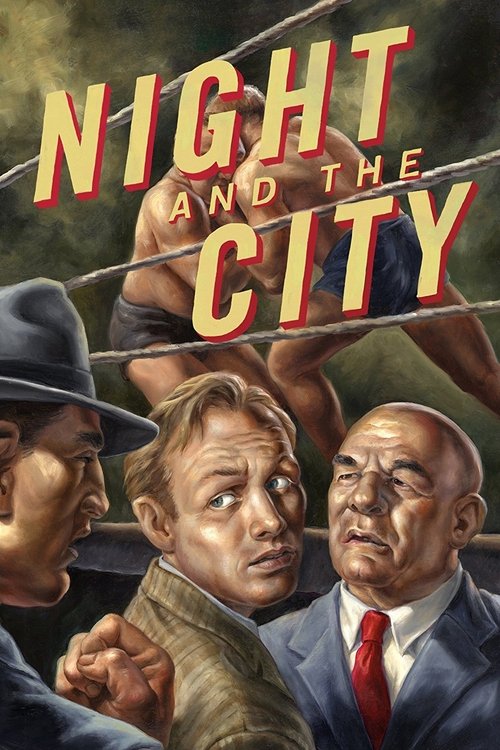
1950
No reviews yet. Be the first to share your thoughts on this movie!
Use the rating form above to leave a star rating and optional review.