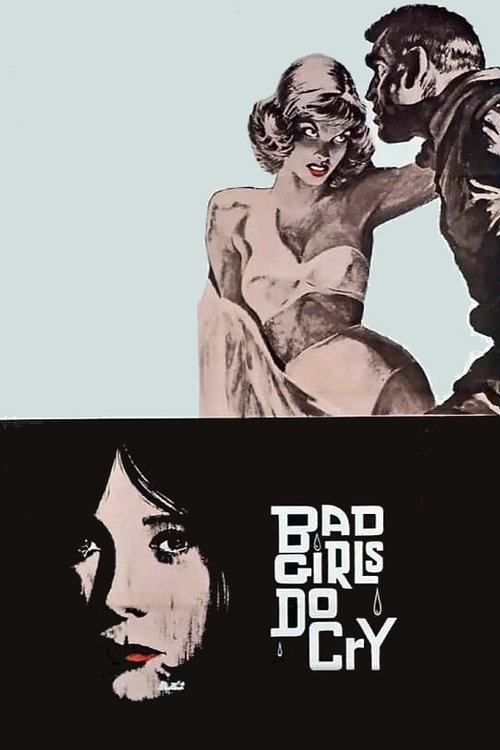
Bad Girls Do Cry
1965
No user ratings available yet
Representation score: 4.1 out of 10
Representation Score
Good
1973
Director
Brunello Rondi
Runtime
97 minutes
Average Rating
No ratings yetNew Showbiz Analysis
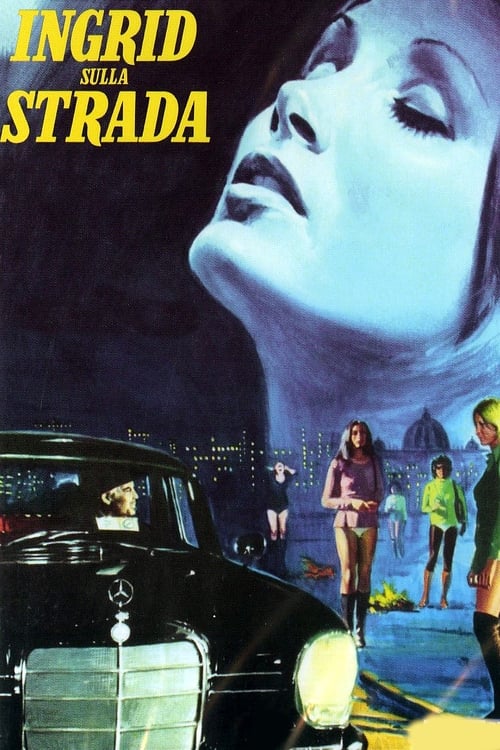
Ingrid on the Road is a gritty exploration of social exclusion and the collapse of traditional structures. It succeeds in challenging gender hierarchies by focusing on female survival amid patriarchal violence and systemic cruelty. However, the film is limited by the era's cinematic constraints, showing a lack of racial and LGBTQ+ diversity. Its narrative remains focused on a homogeneous European social realism that lacks broader characters who reflect more than one aspect of diversity. Ultimately, the film is a powerful critique of the family unit and traditional morality, even if its demographic scope is narrow.
Category Breakdown
The film does not include explicit LGBTQ+ characters or identities. Ingrid and Claudia have a close bond, but it is defined more by their shared experiences of trauma and survival than by romantic or queer identity.
The story focuses on women taking control of their lives despite extreme victimization. It criticizes patriarchal violence and dismantles traditional masculinity by depicting male characters as sources of instability and cruelty.
The production reflects the demographic uniformity typical of 1970s Italian social realism. There is no indication of significant racial diversity or non-white majority casting in the Roman setting.
The narrative challenges the sanctity of the traditional family and Christian morality. It replaces moralistic frameworks with a gritty, secular realism centered on urban survival.
No physical or neurodivergent disabilities are explicitly mentioned. However, the characters face profound psychological trauma that likely serves as a central theme in their experiences.
Present on Screen
Limited or Absent
Official Synopsis
After being raped by her father, Ingrid moves to Rome and ends up becoming a prostitute. She finds a friend in Claudia, but Claudia's protector is a sadistic thug by the name of Renato who will show her the worst of the what life in the city has to offer.
1965
1970
1960
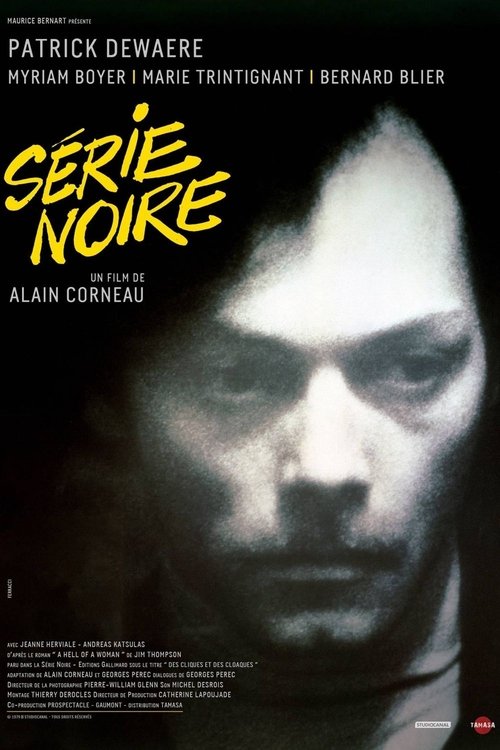
1979
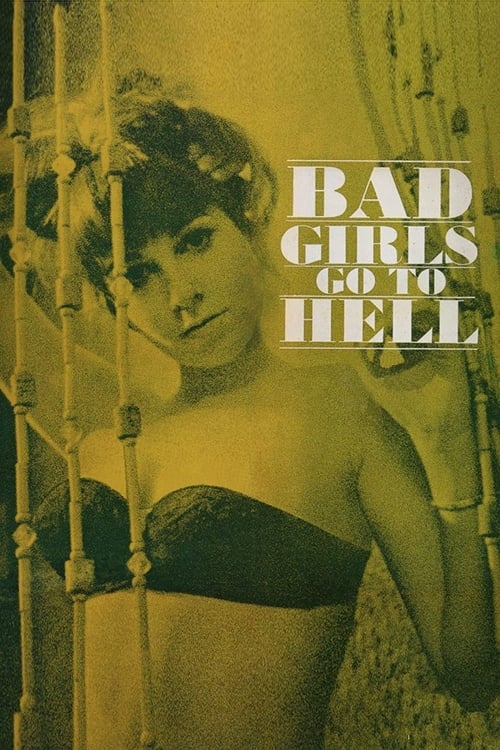
1965
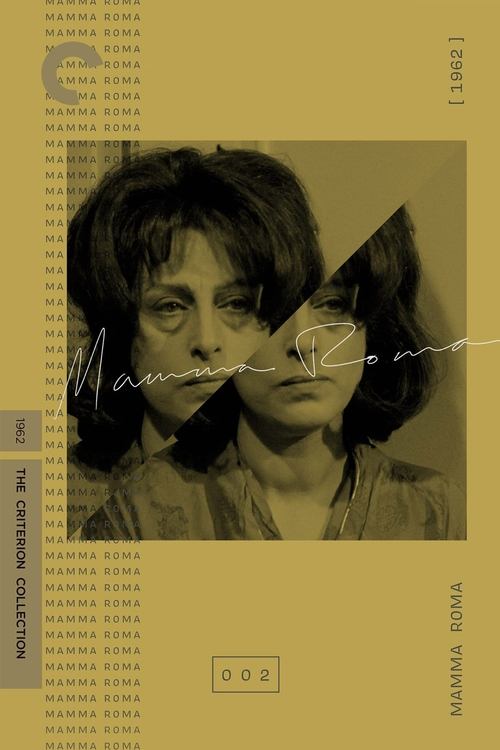
1962

1969
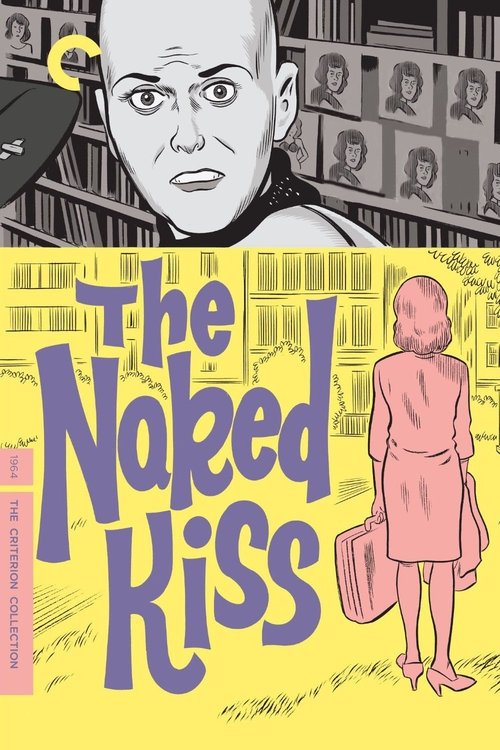
1964
No reviews yet. Be the first to share your thoughts on this movie!
Use the rating form above to leave a star rating and optional review.