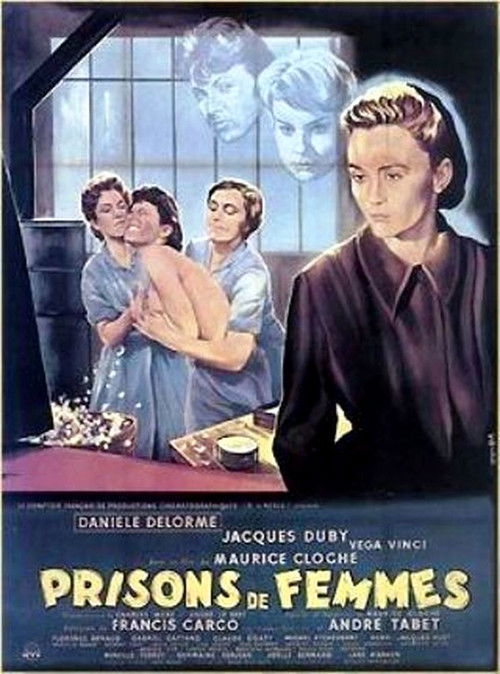
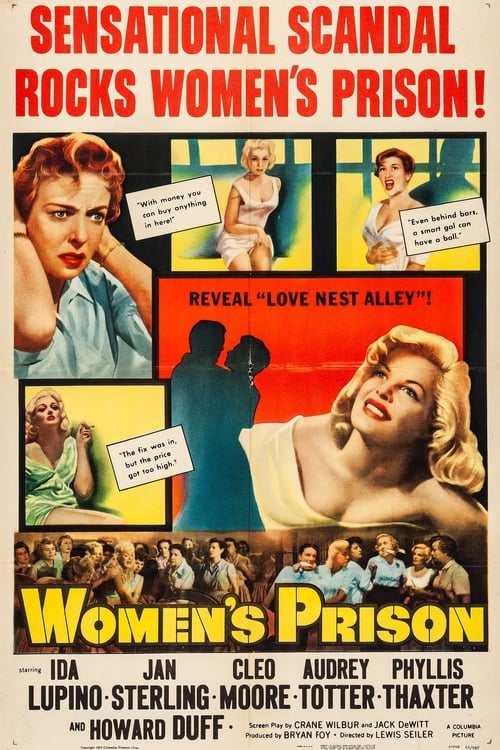
Women's Prison
1958
No user ratings available yet
Representation score: 5.6 out of 10
Representation Score
Fair
1955
ApprovedDirector
Lewis Seiler
Runtime
79 minutes
Average Rating
No ratings yetNew Showbiz Analysis
Women's Prison succeeds as a mid-century drama by challenging patriarchal leadership models. By centering female conflict and intellectual ability to act, it moves beyond the era's typical domestic or submissive feminine clichés. However, the film is limited by the social constraints of 1955. The lack of racial diversity and the absence of LGBTQ+ representation prevent a more progressive reading of the text. Ultimately, the film offers a localized challenge to authority through its institutional critique, but it lacks the multi-layered complexity found in modern cinema.
Category Breakdown
The film does not include explicit LGBTQ+ characters or narratives. It focuses on intense female interpersonal dynamics without featuring non-straight relationships or gender diversity.
The story centers on women's ability to drive the plot within a female-dominated environment. It challenges mid-century gender stereotypes by placing women in positions of authority and intellectual struggle, exploring complex power dynamics.
The cast is predominantly white, reflecting the casting norms of 1955. The film lacks significant minority representation, functioning instead as a homogeneous social study.
The narrative critiques state authority and the penal system. It questions the infallibility of legal structures by depicting the struggle of the wrongly accused against a rigid administration.
There is no nuanced depiction of visible or invisible disabilities. Characters are defined by their legal status rather than neurodivergence or physical disability.
Present on Screen
Limited or Absent
Official Synopsis
A crusading psychiatrist battles a sadistic female warden to improve conditions at a women's prison.
1958

1958
1938

1970

1951

1947

1983
1972
No reviews yet. Be the first to share your thoughts on this movie!
Use the rating form above to leave a star rating and optional review.