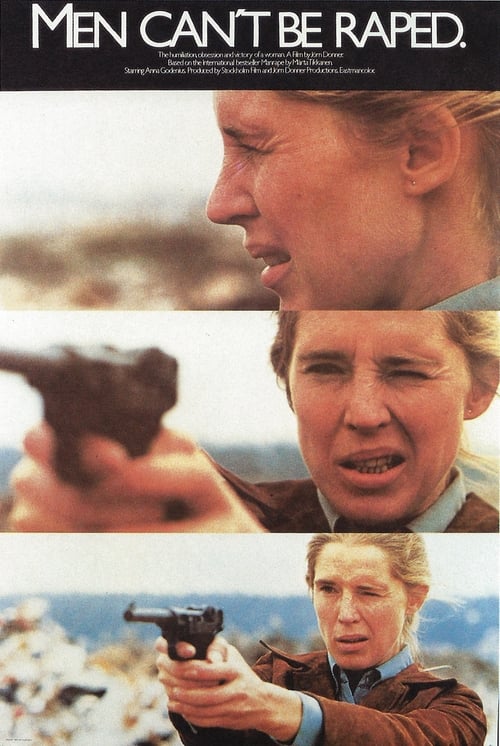
Men Can't Be Raped
1978
No user ratings available yet
Representation score: 4.7 out of 10
Representation Score
Good
1987
Director
Ville Mäkelä
Runtime
84 minutes
Average Rating
No ratings yetNew Showbiz Analysis
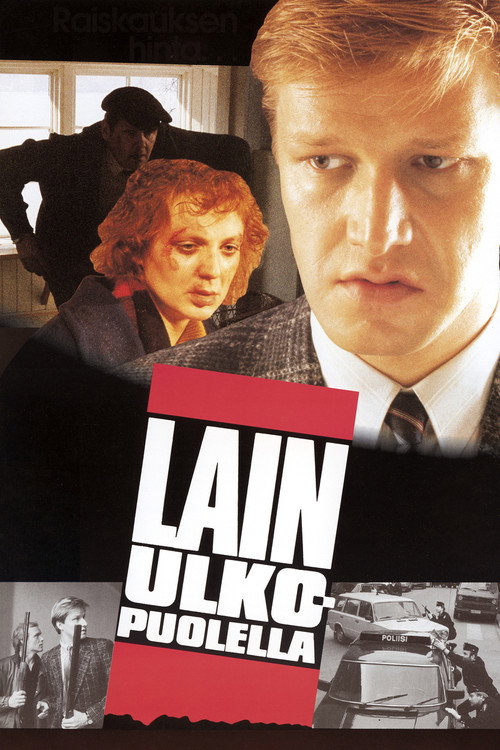
Lain ulkopuolella is a gritty social drama that prioritizes thematic depth over demographic breadth. It excels at critiquing systemic failures, particularly how state institutions fail victims of crime. Despite a lack of racial or LGBTQ+ diversity, the film provides a strong cultural critique. The film's strength lies in its subversion of traditional archetypes. It moves away from stable social structures to explore fractured masculinity and the psychological toll of trauma. However, the narrative's focus on a homogeneous Finnish setting limits its representation of different ethnic backgrounds. Ultimately, the film is a study of institutional incompetence and personal ability to act. It uses a localized, narrow demographic lens to tell a universal story about justice and the breakdown of social protections.
Category Breakdown
The film does not include explicit LGBTQ+ characters or identities. It focuses on a traditional nuclear family structure involving Saara and Sakari.
The story disrupts traditional gender roles by centering on Saara's trauma and contrasts an aggressive brother with a mild-mannered husband.
Set within a homogeneous Finnish context, the film shows no evidence of non-white casting. It reflects the specific demographic constraints of its time and location.
The film critiques Western institutions by portraying the legal system and police as insensitive and incompetent. It explores moral relativism through a central revenge plot.
While physical disabilities are absent, the plot is driven by psychological trauma and mental breakdown. Saara's experience of guilt serves as a primary narrative catalyst.
Present on Screen
Limited or Absent
Official Synopsis
On her way home from an evening shift at a men's clothing store, Saara Nevanen is raped by a man whom she recognizes as her regular but eccentric customer, Antti Kaironen. The doctor and policemen question Saara in an insensitive manner,and she breaks down with guilt. When the court releases the perpetrator inlack of evidence, Saara's aggressive brother Jari talks her mild-mannered husband Sakari into a self-made revenge plot. Armed with two rifles, Jari and Sakari take matters into their own hands.
1978

1970
1971

1999
1982

2016

1988

1981
No reviews yet. Be the first to share your thoughts on this movie!
Use the rating form above to leave a star rating and optional review.