The Two Faces of Love
1972
No user ratings available yet
Representation score: 7.5 out of 10
Representation Score
Excellent
1976
Director
Daniel Schmid
Runtime
101 minutes
Average Rating
No ratings yetNew Showbiz Analysis
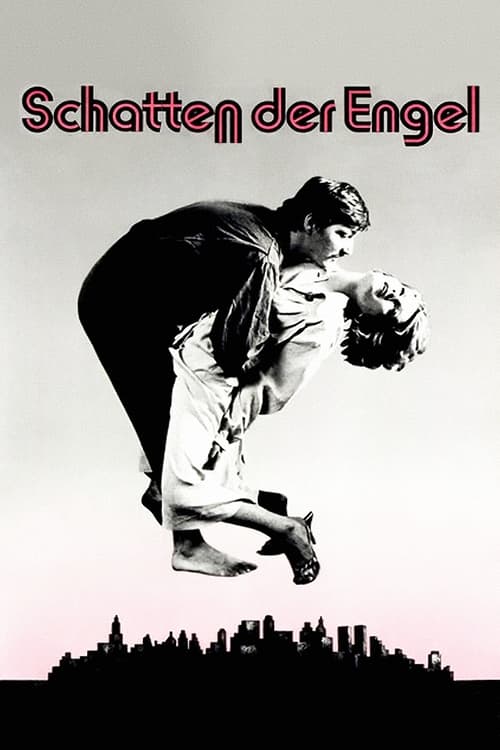
Shadow of Angels stands out for its philosophical deconstruction of traditional social structures. By focusing on underrepresented figures and presenting a gender-nonconforming father, the film avoids simplistic moralizing and conventional domesticity. However, the film's racial diversity is limited to specific historical archetypes rather than a broad multi-ethnic cast. The representation of disability, while realistic, remains tied to a dysfunctional family context rather than individual empowerment. Ultimately, the film's strength lies in its refusal to offer redemptive endings, opting instead for a critical examination of power and social outcasts.
Category Breakdown
The film features a drag-performing father, challenging traditional gender roles. His presence disrupts the typical domestic setup of the time.
Lily's journey highlights her resilience in the face of systemic pressures. The story shifts focus away from traditional masculine stability by showing her boyfriend leaving her for another man.
A central Jewish figure influences the plot, breaking the monolithic European social hierarchy. However, the cast lacks modern multi-ethnic diversity.
The story criticizes established institutions by portraying family and local authority as corrupt. It prioritizes a subjective, non-traditional morality over conventional religious or social ideals.
A wheelchair-bound mother is part of the bleak domestic setting. Her portrayal avoids heroic clichés, providing a realistic depiction of disability within a dysfunctional family.
Present on Screen
Limited or Absent
Official Synopsis
Beautiful, detached, laconic, consumptive Lily Brest is a streetwalker with few clients. She loves her idle boyfriend, Raoul, who gambles away what little she earns. The town's power broker, called the rich Jew, discovers she is a good listener, so she's soon busy. Raoul imagines grotesque sex scenes between Lily and the Jew; he leaves her for a man. Her parents, a bitter Fascist who is a cabaret singer in drag and her wheelchair-bound mother, offer no refuge. Even though all have a philosophical bent, the other whores reject Lily because she tolerates everyone, including men. She tires of her lonely life and looks for a way out. Even that act serves the local corrupt powers.
1972
1961

1986

1956
1979
1989

1984
1970
No reviews yet. Be the first to share your thoughts on this movie!
Use the rating form above to leave a star rating and optional review.