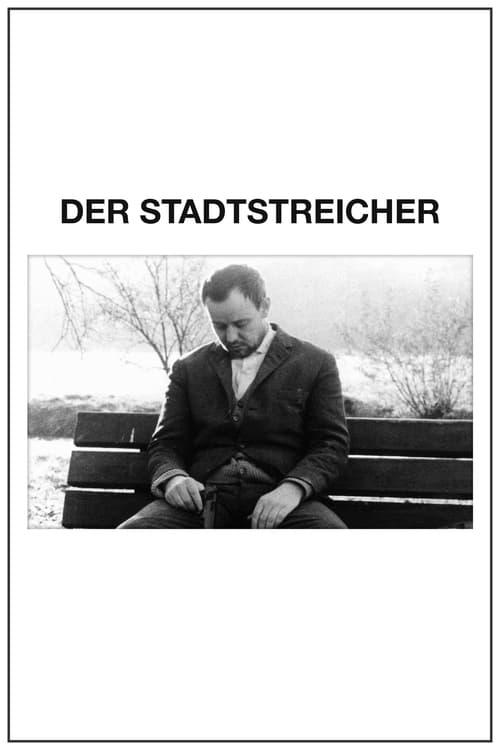
The City Tramp
1966
No user ratings available yet
Diversity score: 5.5 out of 10

1969
Not RatedDirector
Rainer Werner Fassbinder
Runtime
90 minutes
Average Rating
No ratings yetSynopsis
A group of young slackers spend most of their time hanging out in front of a Munich apartment building. When a Greek immigrant named Jorgos moves in, however, their aimless lives are shaken up. Soon, new tensions arise both within the group and with Jorgos.
Overall Score
Good
Category Breakdown
LGBTQ+ Representation
The film disrupts heteronormative structures through detached social dynamics and non-traditional desire. It utilizes queer subtext and non-cisnormative interactions to critique the superficiality of character connections.
Gender Representation
Relationships are portrayed as transactional and performative rather than rooted in patriarchal leadership. The film avoids traditional tropes by presenting a breakdown of gendered roles in favor of social maneuvering.
Racial & Ethnic Diversity
The character of Jorgos, a Greek immigrant, serves as a catalyst to expose xenophobic undercurrents. His presence examines the 'other' within a consumerist society, though his individual agency is limited.
Religious & Cultural Diversity
The narrative offers a sophisticated critique of Western capitalist leisure culture and social rituals. It portrays bourgeois structures as sites of emptiness and systemic isolation rather than stability.
Disability Representation
There is no significant focus on physical or neurodivergent disabilities. Character struggles remain primarily psychological and social rather than being driven by disability.
Strengths
Areas for Improvement
AI Analysis
Fassbinder’s work excels at deconstructing social hierarchies and examining systemic alienation. The film effectively uses a localized Munich setting to interrogate broader themes of identity and exclusion, particularly through its critique of capitalist leisure and the emptiness of modern social rituals. However, the film's approach to diversity is often reactive. While it successfully challenges traditional gender and sexual norms, the representation of ethnic diversity relies heavily on the dominant group's xenophobic reactions to an immigrant character rather than providing him with deep agency. Ultimately, the film is a study of social friction. It prioritizes the depiction of alienation and the breakdown of interpersonal norms over traditional, heroic storytelling, making it a potent critique of mid-century European social cohesion.
1966

1975
1972
1970

1995

1999

1998

2011

1984
1976

1970
2009
No reviews yet. Be the first to share your thoughts on this movie!
Use the rating form above to leave a star rating and optional review.