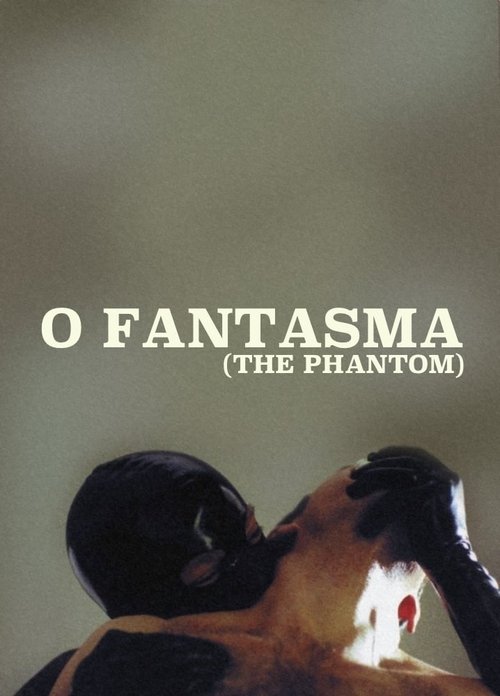
O Fantasma
2000
No user ratings available yet
Representation score: 6.3 out of 10

Representation Score
Good
1992
Director
João César Monteiro
Runtime
88 minutes
Average Rating
No ratings yetNew Showbiz Analysis
The film operates as a critique of traditional Western moralities and the sanctity of the family unit by focusing on characters living on the fringes of legality. However, it falls short in providing visible characters who reflect more than one aspect of diversity and lacks a diverse cast. While the film challenges conventional social hierarchies and embraces moral relativism, it misses opportunities to include broader demographic diversity.
Category Breakdown
The film centers on the interactions between male characters and a female sex worker, without depicting any explicit LGBTQ+ identities or same-sex relationships.
It disrupts traditional gender roles by highlighting a sex worker as a powerful figure, yet the story still leans towards a male-centric perspective with the protagonist Eloi holding significant influence.
Set in Lisbon, the film seems to depict a relatively homogeneous population without showing any multi-ethnic cast or characters reflecting multiple aspects of diversity.
The story critiques traditional institutions and the bourgeois social order, emphasizing the subjective experiences of underrepresented characters over Christian or state-sanctioned righteousness.
Samuel’s struggles with suicidal thoughts touch on mental health and existential crises, but it is unclear whether his journey is driven by his own choices or merely serves as a plot device.
Present on Screen
Limited or Absent
Official Synopsis
Eloi, a paunchy middle-aged man, finds Samuel, a young sad sack, about to kill himself by plunging into the sea. Eloi takes Samuel under his wing, giving him a hot meal and bringing him to a seedy night club to introduce him to Esperança, who is said to be the most beautiful sex worker in Lisbon—and is also Eloi’s daughter.
2000
1961
1972

1962
1992
1999
1994

1978
No reviews yet. Be the first to share your thoughts on this movie!
Use the rating form above to leave a star rating and optional review.