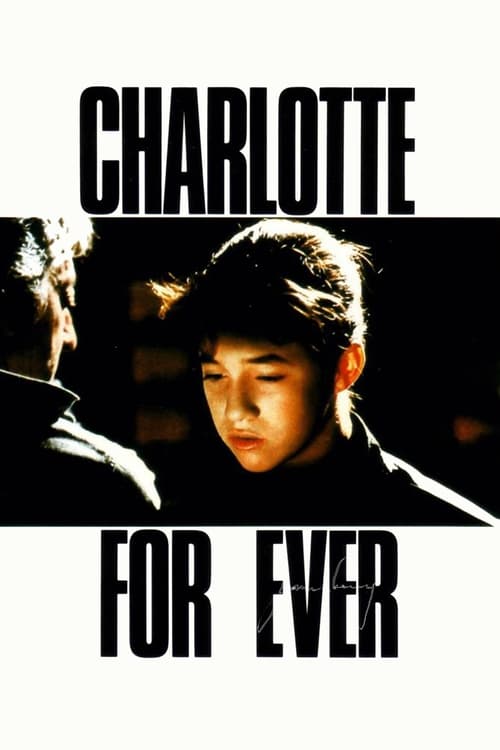
Charlotte for Ever
1986
No user ratings available yet
Representation score: 5.8 out of 10
Representation Score
Good
1981
Director
Marco Ferreri
Runtime
101 minutes
Average Rating
No ratings yetNew Showbiz Analysis
Marco Ferreri’s work serves as a postmodern deconstruction of social norms. The film prioritizes the subversion of bourgeois stability and traditional morality over demographic inclusivity, using existential absurdity to critique modern life. While the film excels in cultural critique by challenging established social orders, it remains limited in racial and LGBTQ+ diversity. The narrative focuses on a homogeneous cast and lacks targeted queer-centric storytelling. Ultimately, the film presents social dysfunction as a fundamental human experience. It succeeds as a critique of Western institutions but lacks the multi-layered breadth found in more diverse cinematic works.
Category Breakdown
The film does not explicitly depict LGBTQ+-centric stories or non-cisgender identities. Instead, it explores themes of sexual depravity and unconventional intimacy, which serve to highlight existential questions rather than specific LGBTQ+ representation.
Gender hierarchies are challenged through characters who exhibit social and psychological dysfunction. The film avoids reinforcing traditional masculine leadership or stable domestic roles, presenting gendered existence as part of a chaotic human condition.
The cast remains relatively homogeneous within a desolate, surrealist setting. The narrative prioritizes universal existential alienation over integrating diverse ethnic perspectives or multi-layered demographic representation.
The film rejects traditional Western institutions and singular Christian morality. By emphasizing moral relativism and the breakdown of the family unit, it provides a sharp critique of modern societal structures.
Psychological instability and madness are central to the characters' experiences. While not focusing on physical disabilities, the film portrays these neurodivergent-adjacent states with ability to act, driving character development.
Present on Screen
Limited or Absent
Official Synopsis
Poet/lecturer Charles Serking awakens from his alcoholic haze long enough to take a bus back to L.A. and plunge into an orgy of drink and sexual depravity.
1986
1961
1993
1982
1992
1977
1958
1984
No reviews yet. Be the first to share your thoughts on this movie!
Use the rating form above to leave a star rating and optional review.