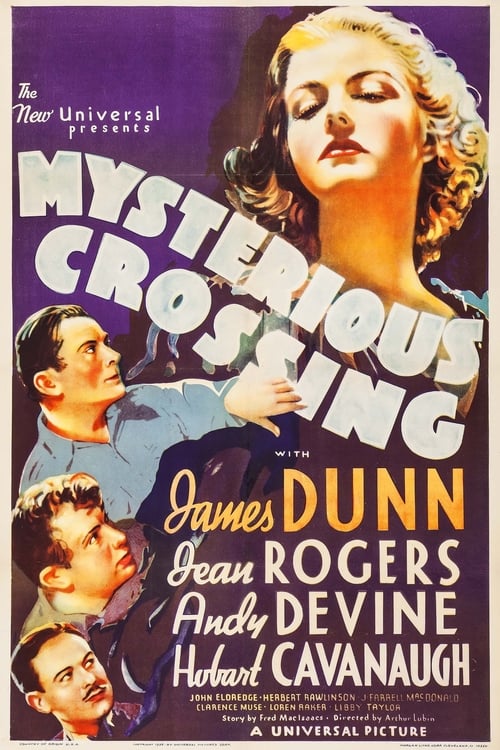
Mysterious Crossing
1936
No user ratings available yet
Diversity score: 2.3 out of 10
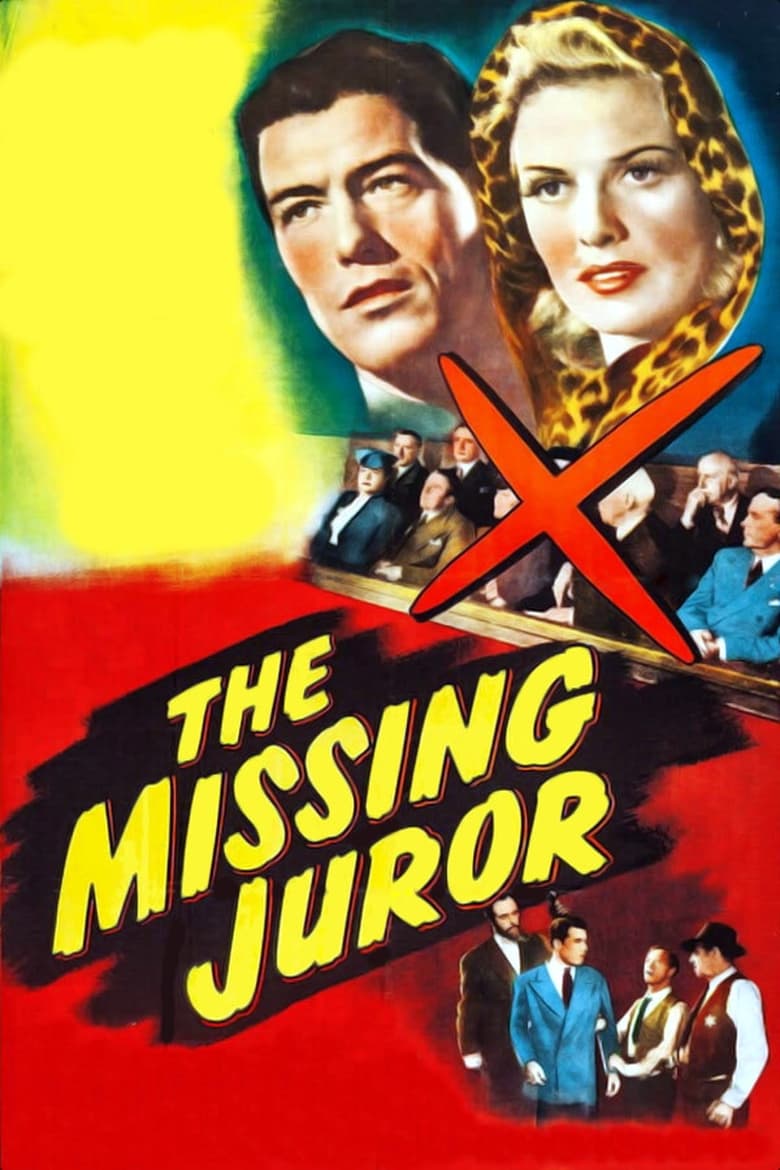
1944
Director
Budd Boetticher
Runtime
66 minutes
Average Rating
No ratings yetSynopsis
A newsman tracks down a phantom killer of murder-trial jurors.
Overall Score
Minimal
Category Breakdown
LGBTQ+ Representation
The film contains no discernible representation of LGBTQ+ identities. It adheres strictly to the heteronormative social and cinematic constraints of the mid-1940s.
Gender Representation
Agency is primarily concentrated in male protagonists, following traditional mid-century gender hierarchies. The film reinforces standard period tropes of male-driven investigative and legal drama.
Racial & Ethnic Diversity
The production reflects the demographic homogeneity prevalent in 1944 Hollywood. There is no indication of a diverse cast or the use of race-bent casting.
Religious & Cultural Diversity
The narrative operates within established social and institutional norms. It emphasizes the importance of the legal system rather than portraying Western institutions as inherently corrupt.
Disability Representation
There is no evidence of characters with visible or invisible disabilities being integrated into the narrative. Disability is not used as a central plot device.
Strengths
Areas for Improvement
AI Analysis
The Missing Juror is a standard 1940s crime mystery that functions as a reflection of its historical context. It prioritizes traditional investigative arcs over the inclusion of intersectional perspectives or marginalized identities. The film adheres to the era's established social hierarchies and genre conventions. It does not attempt to subvert cultural norms or challenge the status quo of the mid-century period. Ultimately, the production lacks meaningful representation, focusing instead on a homogeneous depiction of society and traditional masculine-driven storytelling.
1936
1946
1946
1936
1929

1948
1952
1937
1937

1952

1941
1935
No reviews yet. Be the first to share your thoughts on this movie!
Use the rating form above to leave a star rating and optional review.