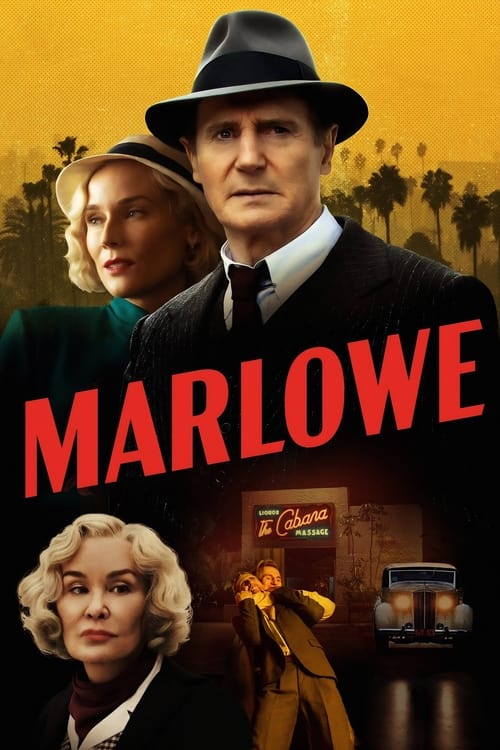
Marlowe
2023
No user ratings available yet
Representation score: 4.6 out of 10
Representation Score
Fair
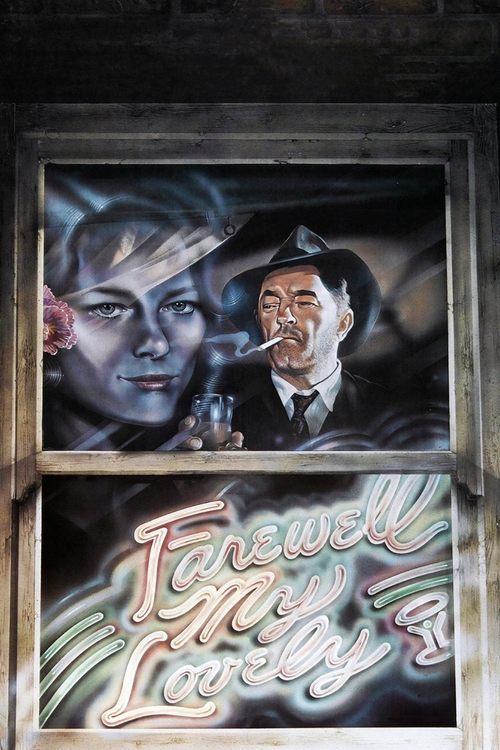
1975
RDirector
Dick Richards
Runtime
95 minutes
Average Rating
No ratings yetNew Showbiz Analysis
Farewell, My Lovely is a neo-noir that emphasizes atmospheric tension and moral ambiguity over social representation. It succeeds in revealing the corruption within institutions by portraying law enforcement and organized power as inherently flawed. However, the film remains rooted in traditional noir conventions. It lacks the multi-layered approach necessary to address modern diversity issues. Ultimately, the work focuses on re-examining classic detective themes rather than addressing contemporary identity-based concerns.
Category Breakdown
The film follows the straight-centered social structures of its 1940s setting. There is no indication of diverse sexual orientations or gender identities.
Women frequently serve as femme fatales, driving male conflict. While Helen Grayle has a significant role, her actions are framed through deception rather than challenging gender norms.
The cast reflects the urban diversity of 1940s Los Angeles. However, the film does not explicitly address the racial hierarchies of the time or use actors from different backgrounds.
The story excels at showing moral relativism and systemic corruption. It portrays the police and legal systems as unreliable for the powerful, rather than pillars of justice.
There is no significant or meaningful portrayal of physical or neurodivergent disabilities. Characters are defined by their socioeconomic status or criminal roles.
Present on Screen
Limited or Absent
Official Synopsis
Private eye Philip Marlowe is hired by ex-con Moose Malloy to find his girlfriend, a former lounge dancer. While also investigating the murder of a client and the theft of a jade necklace, Marlowe becomes entangled with seductress Helen Grayle and discovers a web of dark secrets that are better left hidden.
2023
1955

1971

1966
1948

1944

1974
1975
No reviews yet. Be the first to share your thoughts on this movie!
Use the rating form above to leave a star rating and optional review.