
The Scar
1976
No user ratings available yet
Representation score: 4.9 out of 10
Representation Score
Fair
1989
Director
Magdalena Łazarkiewicz
Runtime
108 minutes
Average Rating
No ratings yetNew Showbiz Analysis
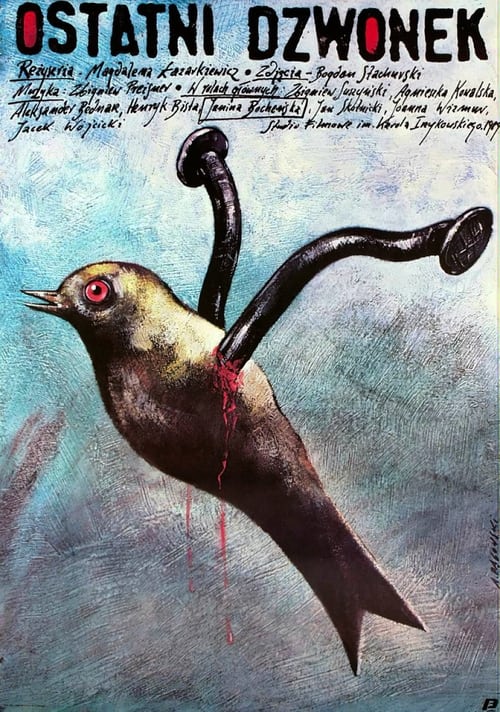
The Last Schoolbell serves as a sociopolitical drama that uses youth-led art to critique institutional authority. Its strength lies in its cultural depth, using the school setting to mirror the broader tensions of 1980s Poland. However, the film is limited by its demographic focus. The setting and era suggest a lack of racial and ethnic diversity, and there is no explicit representation of LGBTQ+ identities or disability. Ultimately, the film is a localized study of power and rebellion. It succeeds in cultural critique but lacks breadth in terms of diverse identity representation.
Category Breakdown
The film does not include explicit LGBTQ+ characters or intimate relationships. However, the focus on politically engaged youth hints at a subtle rebellion against the strict social norms of 1980s Eastern Bloc society.
The conflict between students and the headmaster highlights a challenge to traditional hierarchies. This dynamic helps to subvert the rigid institutional power structures.
The story reflects the homogeneous demographics of 1980s Poland. There is no indication of significant racial or ethnic diversity within the localized study of Polish social dynamics.
The film effectively uses a school play to critique established institutions. It captures the social tensions of the 1980s, prioritizing systemic critique over traditional institutional stability.
There is no mention of characters with visible or invisible disabilities. The narrative does not address neurodivergence or physical disability.
Present on Screen
Limited or Absent
Official Synopsis
As high school students put on a politically-engaged school play, tensions begin to rise between them and their headmaster. The conflict seems to mirror the social situation in the 1980s Poland.
1976
1985
1981
2018

1988

1969

1996

1986
No reviews yet. Be the first to share your thoughts on this movie!
Use the rating form above to leave a star rating and optional review.