Curriculum Vitae
1975
No user ratings available yet
Representation score: 1.8 out of 10
Representation Score
Fair
1985
Not RatedDirector
Krzysztof Kieślowski
Runtime
108 minutes
Average Rating
No ratings yetNew Showbiz Analysis
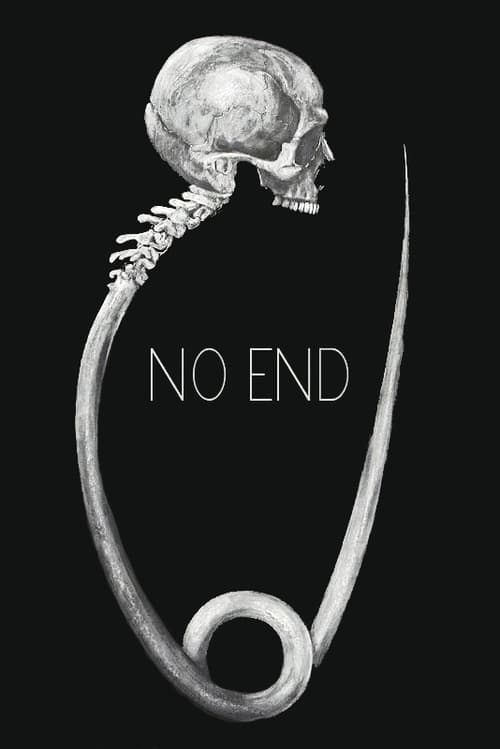
Krzysztof Kieślowski’s *No End* is a metaphysical exploration of grief and memory set in 1982 Poland. It prioritizes internal psychological landscapes and non-linear storytelling over social commentary or demographic variety. The film operates within a specific, homogeneous cultural context. While it offers a nuanced look at a woman's struggle with loss, it does not engage with contemporary frameworks of multi-layered identity or systemic social critique. Ultimately, the work is a study of existential solitude. It seeks to deconstruct the nature of time and reality rather than the hierarchies of social identity.
Category Breakdown
The film does not include any LGBTQ+ characters or storylines. It centers on the relationships within a heterosexual family structure, focusing on a mother, her son, and her late husband.
A female translator deals with personal loss through her roles as a mother and a sexual being. She demonstrates psychological strength, but the narrative primarily revolves around the male protagonist's existential journey.
The cast is uniformly Polish, reflecting the demographics of the time. There is no indication of intentional efforts to include actors from diverse racial backgrounds.
Set during martial law in Poland, the film critiques oppressive state authority through an existential lens. It explores moral relativism and the subjectivity of memory without delving into explicit political themes.
The film does not depict any physical or neurodivergent disabilities. Psychological fragmentation and grief are portrayed as universal human experiences rather than specific disabilities.
Present on Screen
Limited or Absent
Official Synopsis
1982, Poland. A translator loses her husband and becomes a victim of her own sorrow. She looks to sex, to her son, to law, and to hypnotism when she has nothing else in this time of martial law when Solidarity was banned.
1975

1989
1974

1989

1989
1966

1991

1977
No reviews yet. Be the first to share your thoughts on this movie!
Use the rating form above to leave a star rating and optional review.