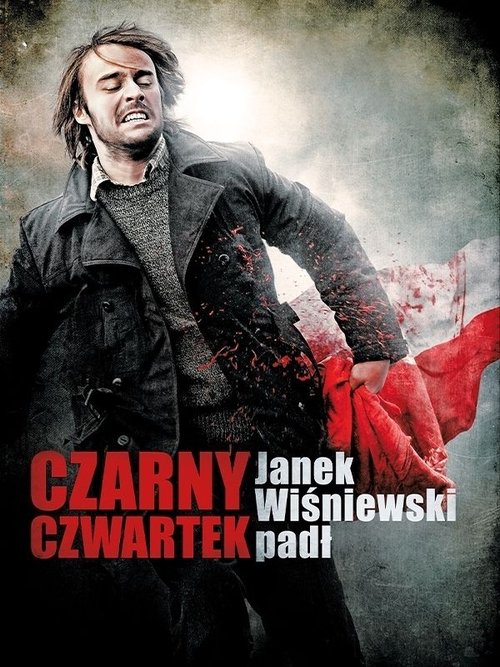
Black Thursday
2011
No user ratings available yet
Representation score: 2.4 out of 10
Representation Score
Limited
1996
Director
Filip Bajon
Runtime
106 minutes
Average Rating
No ratings yetNew Showbiz Analysis
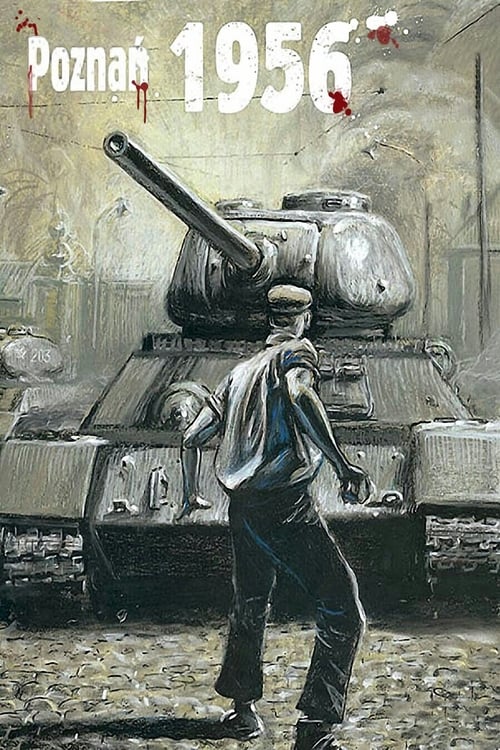
Poznań 56 is a historical reconstruction that emphasizes the personal experiences of children and workers over traditional heroic figures. It employs a reportage style to capture the spontaneous nature of the 1956 uprising from a grassroots perspective. Despite being confined by its specific historical context, the film offers significant cultural value by deconstructing state-sanctioned histories. It focuses on collective action rather than individualistic or capitalist narratives. However, the film adheres to the social norms of the time, leading to a lack of gender and LGBTQ+ diversity. The narrative centers on male-dominated spheres of labor and political activism.
Category Breakdown
The film does not include any LGBTQ+ characters or narratives. The focus is solely on the socio-political events of the 1956 uprising without any non-straight relationships or themes.
Male characters like Zenek play key roles in industry and politics. Women are primarily shown in domestic or supporting roles, reflecting the gender divisions of the time.
The cast is ethnically uniform, representing the demographics of the Polish working class in 1956. The film avoids whitewashing while staying true to its historical context.
The film effectively critiques established power structures and state authority. It highlights the working class's resistance against a centralized, oppressive government.
There are no prominent depictions of visible or invisible disabilities used as central plot devices or character arcs within the narrative.
Present on Screen
Limited or Absent
Official Synopsis
The film depicts the momentous and tragic history of the Poznan uprising of 1956. The memory of the director, who was a nine-year-old boy at the time, is the only canvass of the script. The main characters of the black-and-white film are two boys aged ten and twelve. From their perspective, the viewer follows the development of events. From the depths of the gates, through the rails of fences and cluttered backyards, through the eyes of the children we watch the street riots. The film, without action in the literal sense of the word, was made using a reportage technique that perfectly captures the spontaneity of the Poznan uprising. Among other things, the author of the picture depicts the adventures of a young worker Zenek, who becomes the unwitting leader of the protest, and five professors, who by chance find themselves in the very center of events.
2011
2018
1969
1964
1981

1977
2018

1989
No reviews yet. Be the first to share your thoughts on this movie!
Use the rating form above to leave a star rating and optional review.