Her Twelve Men
1954
No user ratings available yet
Representation score: 0.4 out of 10
Representation Score
Fair
1969
PGDirector
Ronald Neame
Runtime
116 minutes
Average Rating
No ratings yetNew Showbiz Analysis
The film stands out in challenging gendered expectations of the 1930s. By focusing on a woman who holds intellectual power and rejects domesticity, it offers a nuanced view of women's ability to drive the story. However, the film's demographic is limited. Set in a private Edinburgh school, it lacks racial and ethnic diversity, making the world seem homogeneous. Ultimately, the film's progressive value comes from its critique of institutional authority and its embrace of moral relativism, despite the absence of modern characters who reflect more than one aspect of diversity.
Category Breakdown
The film doesn't include explicit LGBTQ+ identities or same-sex relationships. Jean Brodie rejects traditional heterosexual relationships, but the story doesn't provide specific queer roles or visibility.
Jean Brodie challenges 1930s gender roles by holding a position of intellectual leadership. She emphasizes passion and intensity over the passive or domestic roles typically expected of women.
The cast is predominantly white and Anglo-Saxon, reflecting the socioeconomic uniformity of 1930s Edinburgh. There is no meaningful racial or ethnic diversity in the film.
The story criticizes strict religious and educational systems through Jean Brodie's philosophy of subjective truth. Traditional Western frameworks are portrayed as oppressive and overly conventional.
There are no prominent depictions of physical or neurodivergent disabilities. Such traits don't serve as central plot points or character arcs in the narrative.
Present on Screen
Limited or Absent
Official Synopsis
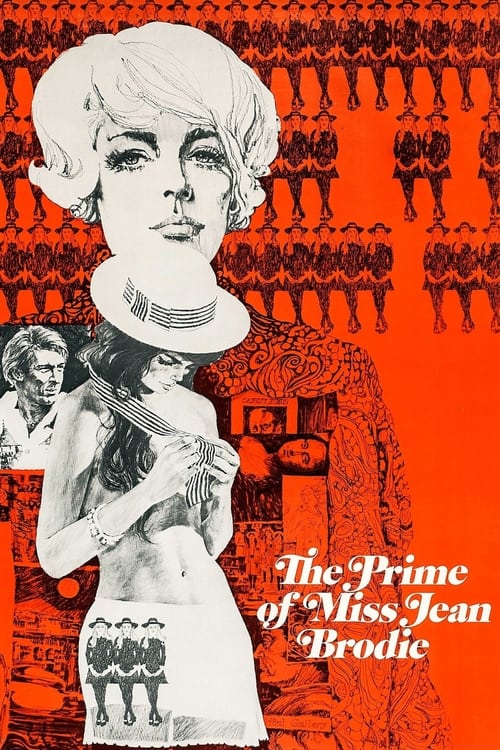
A headstrong young teacher in a private school in 1930s Edinburgh ignores the curriculum and influences her impressionable 12-year-old charges with her over-romanticized worldview.
1954
1931
1958
1951
1967
1970

1965

1969
No reviews yet. Be the first to share your thoughts on this movie!
Use the rating form above to leave a star rating and optional review.