
Pilvilinna
1970
No user ratings available yet
Representation score: 5.4 out of 10
Representation Score
Fair
1988
Director
Ivan Andonov
Runtime
80 minutes
Average Rating
No ratings yetNew Showbiz Analysis
Yesterday serves as an examination of ideological change rather than a modern exploration of diverse demographics. It focuses on the conflict between systemic control and the pursuit of personal freedom during a time of significant cultural transformation. The film’s progressive value lies in its critique of narrow-minded institutions. Using the educational setting of a Bulgarian English-language school, it highlights the tension between emerging freedoms and restrictive social norms. While capturing the spirit of the 1960s sexual revolution, it remains grounded in the specific demographic and social realities of its time and place.
Category Breakdown
The film hints at the impact of the sexual revolution on changing social norms. However, it does not provide clear depictions of non-traditional gender identities or same-sex relationships.
The storyline challenges traditional power structures through student protests against strict authority. This approach questions the conventional expectations of gender roles and obedience.
The setting reflects the demographic uniformity of 1960s Bulgaria. Diversity is shown through ideological conflicts rather than ethnic or racial differences.
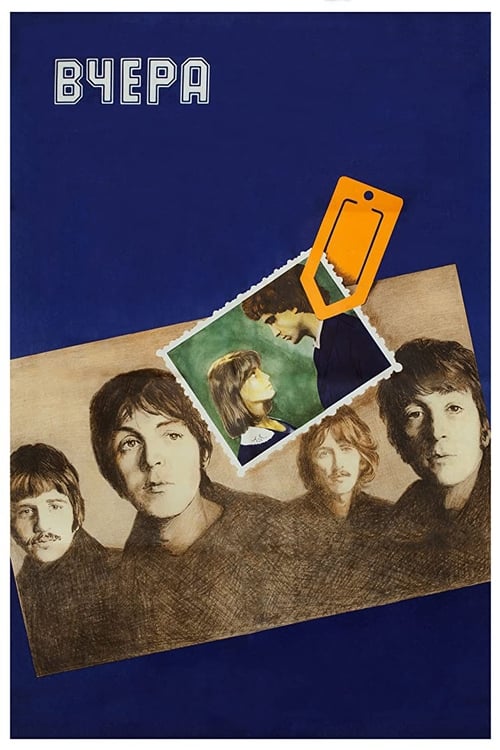
Western cultural influences, such as the music of the Beatles, challenge local traditions. The film critiques institutional rigidity by portraying school order as an obstacle to cultural progress.
There is no clear indication of the portrayal of physical or neurodivergent disabilities in this work.
Present on Screen
Limited or Absent
Official Synopsis
The 1960s was the time of Beatles and Rolling Stones, the time of sexual revolution. These events have their echo in Bulgarian English-learning school. The school order provokes a protest of the students due to the narrow-minded teachers.
1970
1969
1985
1933

1969
2018
1989

1968
No reviews yet. Be the first to share your thoughts on this movie!
Use the rating form above to leave a star rating and optional review.