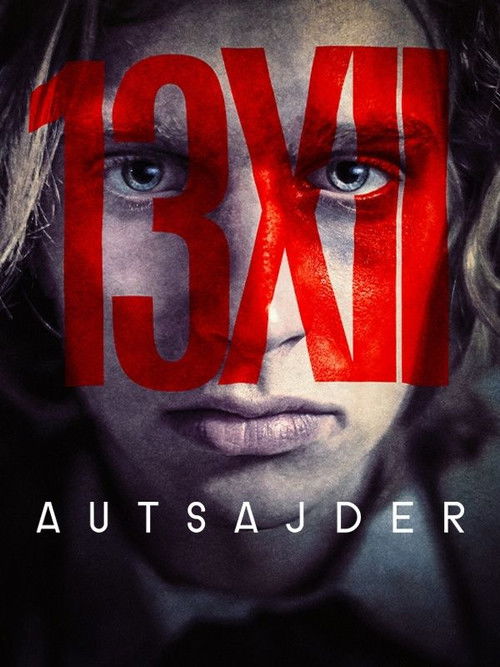
Outsider
2018
No user ratings available yet
Representation score: 6.2 out of 10

Representation Score
Good
1981
Director
Wojciech Marczewski
Runtime
106 minutes
Average Rating
No ratings yetNew Showbiz Analysis
Shivers is a profound study of systemic oppression and the erosion of individual autonomy. It excels at deconstructing how a surveillance state distorts family, school, and personal thought. The film's strength lies in its sophisticated cultural critique of centralized power and institutional corruption. However, the film lacks diversity in terms of identity-based representation. The cast is ethnically homogeneous, and the narrative focuses almost exclusively on a male perspective within a patriarchal framework. There is no meaningful presence of LGBTQ+ identities or disability representation. Ultimately, the film trades individual identity politics for a macro-societal examination of political transition. While it lacks breadth in demographic variety, it offers deep intellectual complexity regarding the breakdown of social order.
Category Breakdown
The film focuses on the male protagonist's political development within a rigid social structure. There are no explicit depictions of LGBTQ+ identities or queer narratives.
The story centers on the male experience within a patriarchal, militarized landscape. Women appear in domestic or educational roles but do not actively challenge traditional gender hierarchies.
The cast is largely homogeneous, reflecting the specific ethnic reality of 1980s Poland. The film's scope remains localized to the socio-political tensions of the Polish nation.
The film provides a powerful critique of institutional stability by portraying the state as a corrupt, oppressive force. It masterfully illustrates how truth becomes subjective under censorship.
The narrative does not feature significant representation of visible or invisible disabilities. Character struggles are framed through political and psychological endurance rather than physical or neurodivergent needs.
Present on Screen
Limited or Absent
Official Synopsis
A boy comes of age under an oppressive, cruel socialist government and watches as it slowly but surely distorts his family, his school and even his own thoughts.
2018
2018

2000

1985

2021

1981

2019

2009
No reviews yet. Be the first to share your thoughts on this movie!
Use the rating form above to leave a star rating and optional review.