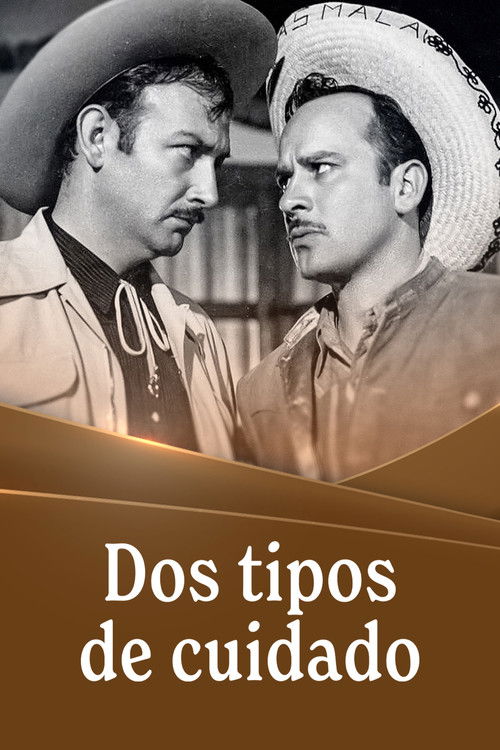
Dos tipos de cuidado
1953
No user ratings available yet
Representation score: 1.4 out of 10
Representation Score
Limited
1951
Director
Ismael Rodríguez
Runtime
120 minutes
Average Rating
No ratings yetNew Showbiz Analysis
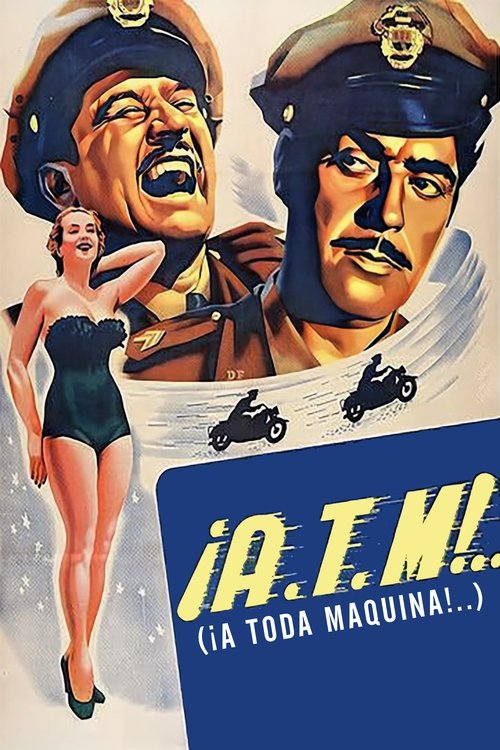
Full Speed Ahead is a product of the Golden Age of Mexican cinema that emphasizes traditional masculine competition. While it successfully centers Mexican urban narratives and local settings, the story remains tied to mid-century social hierarchies. The film’s reliance on romantic conquest as a plot driver limits its depth in addressing gender and identity issues. It functions more as a lighthearted exploration of professional camaraderie and comedic rivalry than a nuanced social study. Ultimately, the work is a culturally specific artifact that provides essential representation of Mexican life while adhering to the conventional gendered power dynamics of its era.
Category Breakdown
The film follows traditional romantic structures focused on heterosexual relationships, emphasizing competition for female companionship without exploring LGBTQ+ identities.
Women are primarily objects of competition among male characters. The central conflict revolves around masculine rivalry and the pursuit of romantic conquest, sidelining women’s roles in driving the story.
The film centers Mexican identity and urban life, avoiding whitewashing seen in contemporary Hollywood films. Despite a largely homogeneous cast, it serves as a significant cultural artifact of Mexico.
The story examines professional duty and social roles within a motorcycle police unit, offering a lighthearted look at urban social classes without a deeper critique.
There are no visible or invisible disabilities central to the narrative arc of this film.
Present on Screen
Limited or Absent
Official Synopsis
A drifter lands a job as an officer in México City's elite motorcycle police unit and gets home with a mate of this unit. The mate is in love with a girl, but he and she are always making jealous to each other. The drifter and the mate get involved themselves in a fight to become the winner of conquering ladies and performing unit acrobatic tricks, interfering with their friendship and profession.
1953

1964
1959
1961

1958
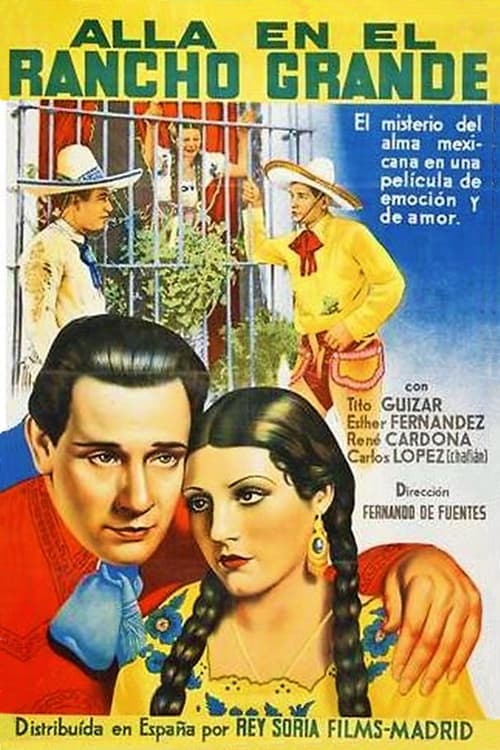
1936
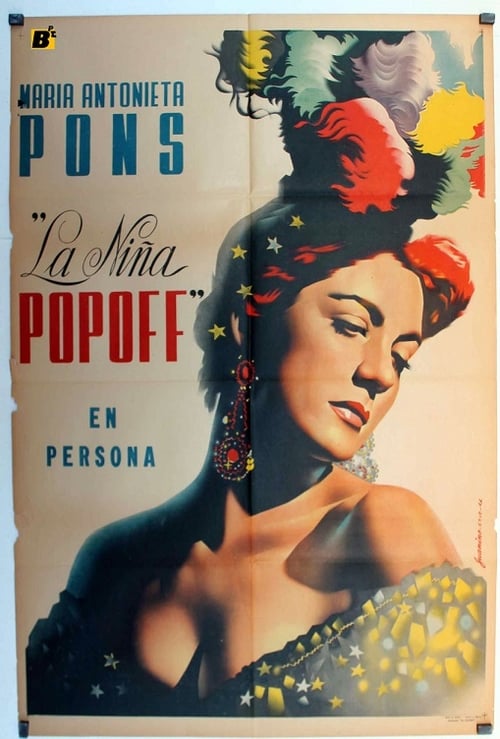
1952
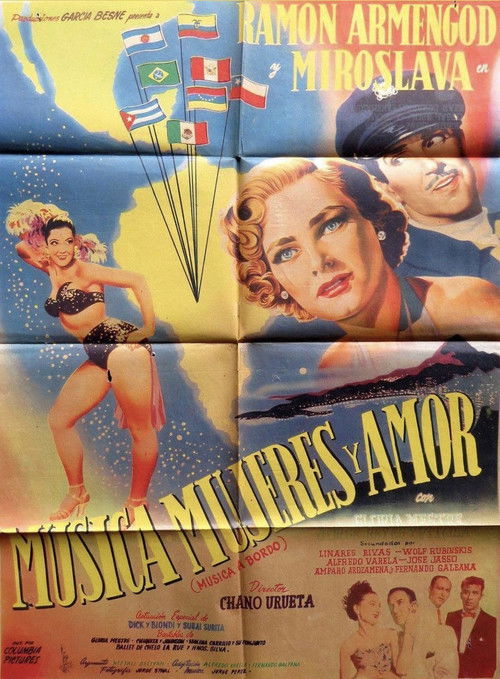
1952
No reviews yet. Be the first to share your thoughts on this movie!
Use the rating form above to leave a star rating and optional review.