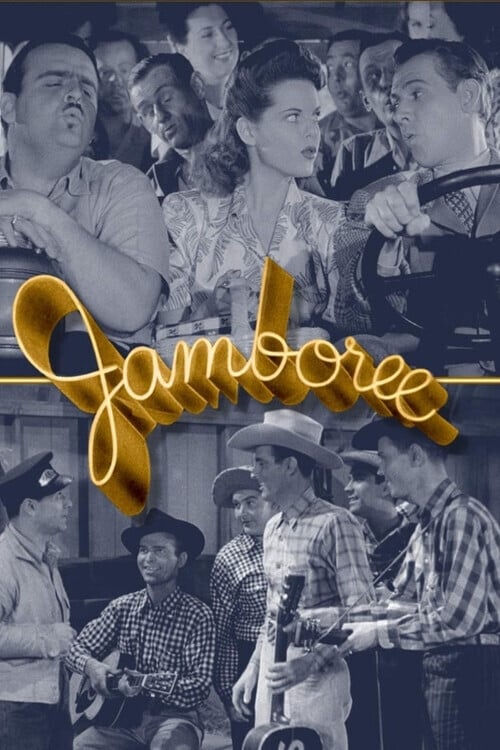
Jamboree
1944
No user ratings available yet
Representation score: 3.1 out of 10
Representation Score
Limited
1948
ApprovedDirector
George Sherman
Runtime
78 minutes
Average Rating
No ratings yetNew Showbiz Analysis
This musical comedy from the late 1940s relies on established clichés and situational humor to create a localized rivalry. The narrative structure supports the social norms of the era without challenging them. The film adheres strictly to the Hays Code and mid-century genre conventions, making it a typical example of escapist cinema from the studio era.
Category Breakdown
The film follows the strict censorship rules of 1948 and does not include any non-straight relationships or same-sex intimacy.
The story focuses on a male salesman and emphasizes competition among men, which likely reinforces traditional gender roles of the time.
The film probably has a predominantly white cast typical of mid-century comedies, with no indication of diverse casting or characters who reflect more than one aspect of diversity.
The movie celebrates local community identity through an annual race and uses traditional archetypes like the traveling salesman to promote social cohesion.
No characters with physical or neurodivergent disabilities are mentioned. Given the historical context, such roles would likely have been caricatured.
Present on Screen
Limited or Absent
Official Synopsis
A fast-talking salesman is "kidnapped" by a town, which intends to use him in its annual race with a rival community.
1944
1929
1938
1963
1934
1957
1944

1958
No reviews yet. Be the first to share your thoughts on this movie!
Use the rating form above to leave a star rating and optional review.