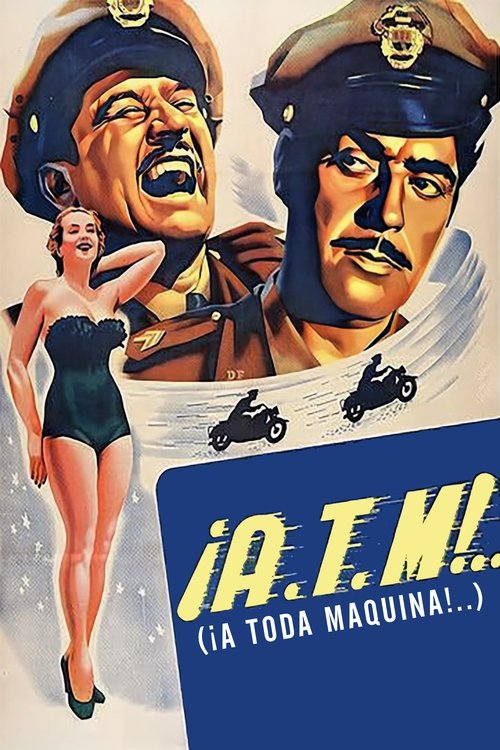
Full Spead Ahead
1951
No user ratings available yet
Diversity score: 4.1 out of 10
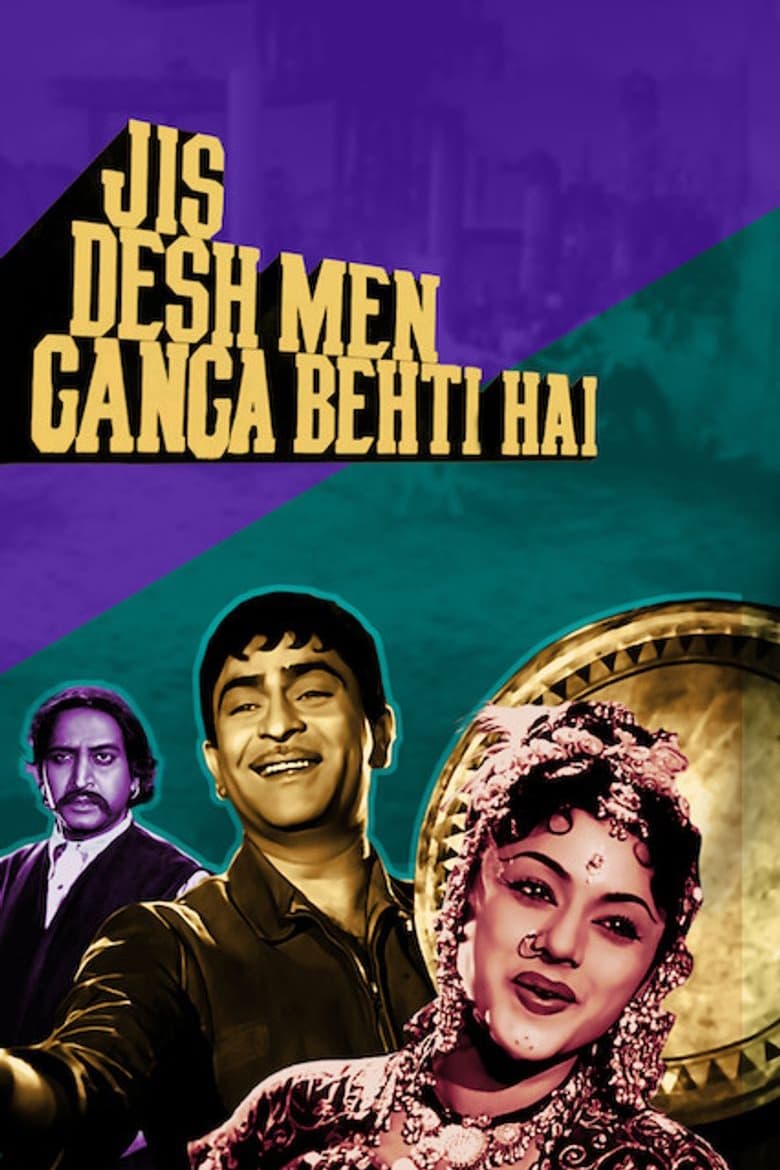
1960
Director
Radhu Karmakar
Runtime
181 minutes
Average Rating
No ratings yetSynopsis
Raju informs the police about a group of bandits, even though he is in love with the chief's daughter. The police set out to kill the clan and it is upto him to save the bandits and his love.
Overall Score
Limited
Category Breakdown
LGBTQ+ Representation
The film lacks LGBTQ+ characters or non-heteronormative identities. It operates within conventional romantic frameworks, focusing entirely on a heteronormative central romance.
Gender Representation
Narrative agency is heavily concentrated in the male protagonist. The female lead is depicted through classic tropes of virtue and domesticity, reinforcing established social roles.
Racial & Ethnic Diversity
Casting reflects the demographic reality of a North Indian rural setting. While culturally cohesive, the film does not actively seek to disrupt ethnic homogeneity.
Religious & Cultural Diversity
The story is deeply rooted in traditionalism and religious foundations. It promotes a singular moral code to emphasize social stability and respect for established values.
Disability Representation
There are no documented instances of characters with visible or invisible disabilities driving the narrative or serving as plot devices.
Strengths
Areas for Improvement
AI Analysis
This film serves as a quintessential example of mid-century traditionalist cinema. The narrative architecture is designed to reinforce established social and moral hierarchies rather than disrupt them. It prioritizes a cohesive, moralistic worldview centered on integrity and social cohesion. The production emphasizes traditional institutions and absolute ethics, reflecting the post-independence Indian focus on nation-building. While it functions as a significant cultural touchstone, it lacks the intersectional complexity or subversion of tropes found in more progressive works.
1951
1936
1933

1963

1950
1965
1941
1965

1968
1965
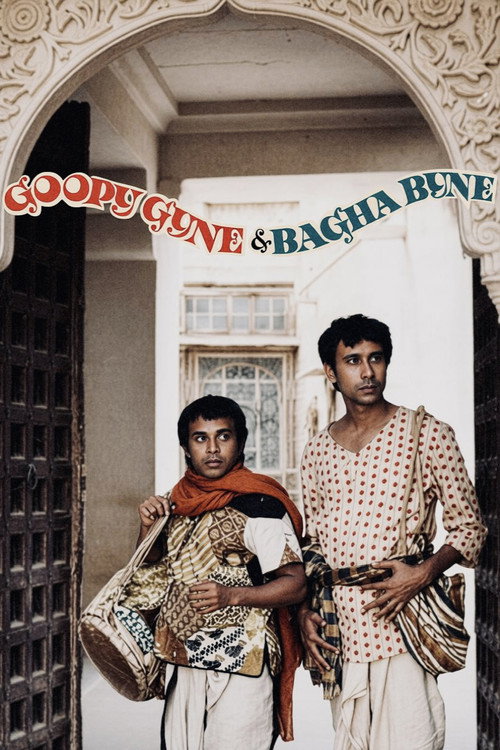
1969
No reviews yet. Be the first to share your thoughts on this movie!
Use the rating form above to leave a star rating and optional review.