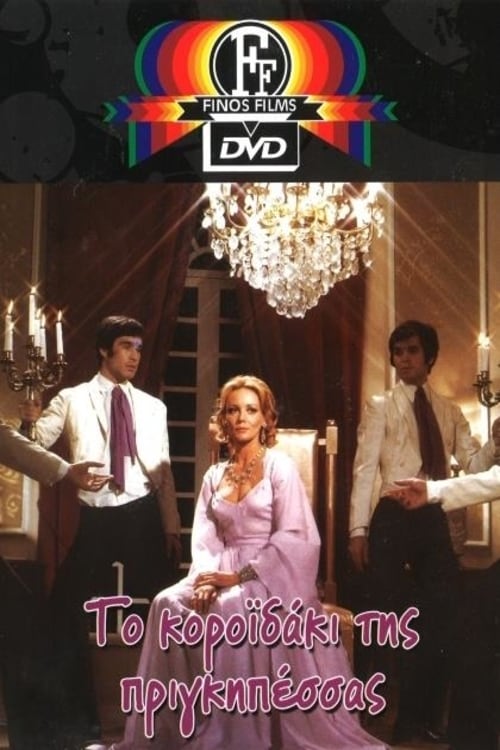
Το Κοροϊδάκι Της Πριγκηπέσσας
1972
No user ratings available yet
Diversity score: 3.2 out of 10
1968
Director
Giannis Dalianidis
Runtime
92 minutes
Average Rating
No ratings yetSynopsis
Petros, a race car driver and son of a construction mogul, hears about an island with promising business opportunities. He tells his father, they have to buy land there but Flora, a night club owner also learns about it and arrives at the island before him. Their competition disturbs the peaceful lives of the island's residents. Marina, the daughter of the local restaurant owner falls in love with Petros while Flora charms the men of the island and especially Nicolas, causing his fiance's jealousy. She on the other hand falls for Iasonas, the son of the island's Lady who worries about the outcome of these events.
Overall Score
Limited
Category Breakdown
LGBTQ+ Representation
The film focuses entirely on heteronormative romantic pairings. There is no evidence of queer narratives or non-cisnormative identities within the plot.
Gender Representation
Women like Flora and Marina are central to the story, yet their agency is largely tied to romantic competition. The narrative relies on conventional mid-century gender tropes regarding social charm and jealousy.
Racial & Ethnic Diversity
The production is culturally homogeneous, focusing on the distinction between urban outsiders and local islanders. It operates within a specific, non-diverse ethnic framework typical of 1960s Greek cinema.
Religious & Cultural Diversity
The story explores the friction between traditional communal stability and modern capitalism. It emphasizes the preservation of local social hierarchies over systemic critique.
Disability Representation
There is no mention of characters with visible or invisible disabilities in the narrative.
Strengths
Areas for Improvement
AI Analysis
Mermaids for Love is a period-specific musical comedy that prioritizes romantic entanglements and the clash between urbanity and tradition. The narrative architecture reinforces conventional social hierarchies and heteronormative structures through its central character conflicts. While the film touches upon the tension between local stability and capitalist expansion, it treats these themes through the lens of genre-standard comedy. The focus remains on individual romantic pursuits rather than a deep deconstruction of power dynamics. Ultimately, the film serves as a spectacle of melodic escapism, reflecting the social values and cultural homogeneity of its era.
1972
1963

1968
1965
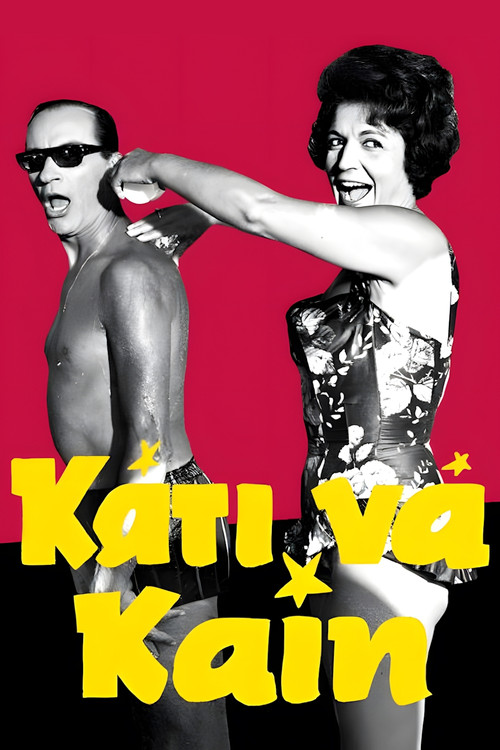
1964
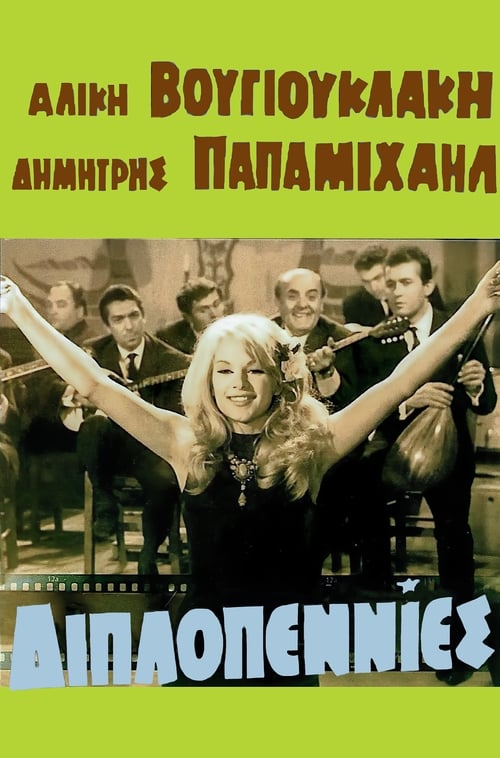
1966
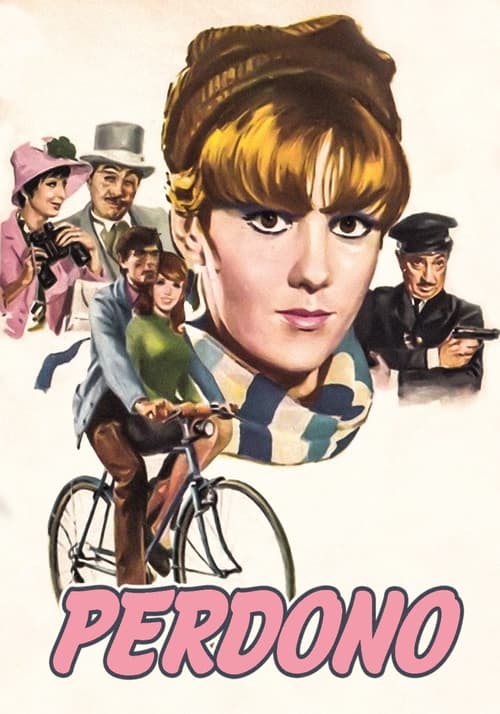
1966
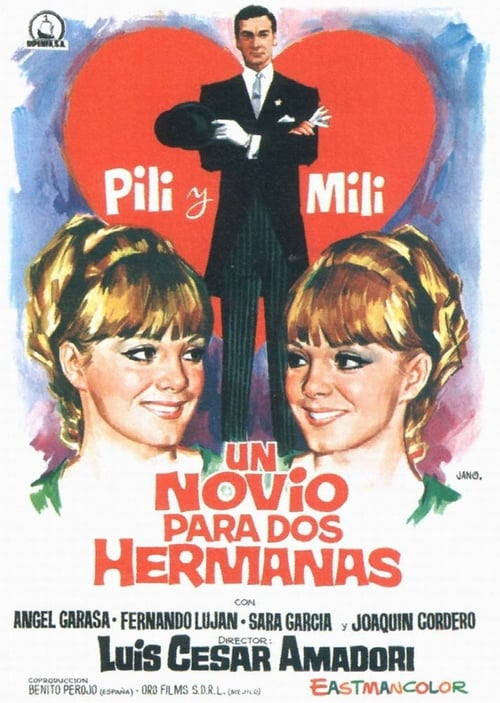
1967

1989

1965
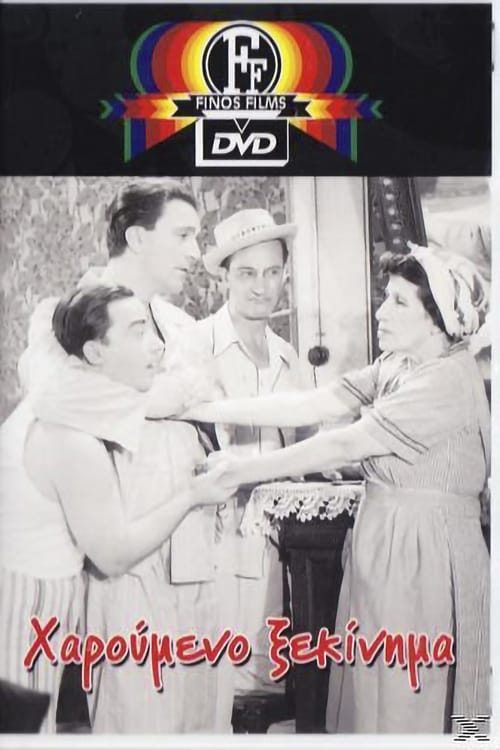
1954

1967
No reviews yet. Be the first to share your thoughts on this movie!
Use the rating form above to leave a star rating and optional review.