
White Bim Black Ear
1977
No user ratings available yet
Representation score: 4.0 out of 10
Representation Score
Limited
1956
NRDirector
Hugo Haas
Runtime
78 minutes
Average Rating
No ratings yetNew Showbiz Analysis
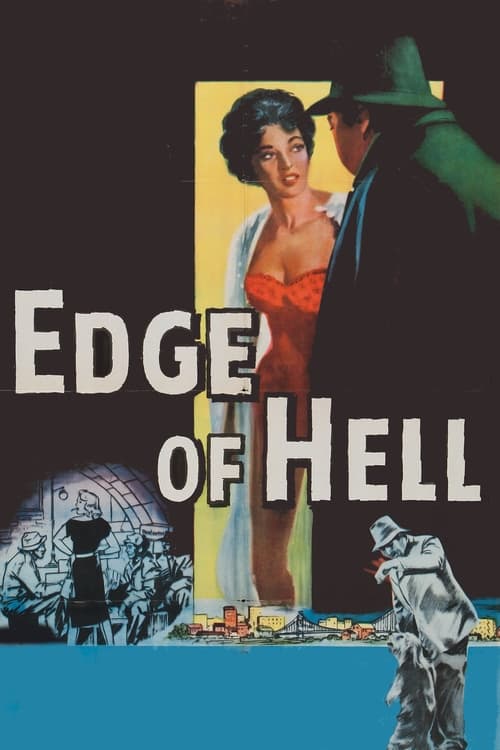
Edge of Hell is shaped by its 1950s noir context, adhering to the era's demographic and narrative structures. It relies on traditional archetypes and lacks diverse representation. The film operates within conventional social hierarchies, emphasizing individual desperation and psychological intensity. While it critiques social instability through a fatalistic lens, it does not challenge established norms or systemic structures. Ultimately, the work provides a typical mid-century cinematic experience that does not disrupt the era's social or identity-based norms.
Category Breakdown
The film does not include any LGBTQ+ characters or situations that challenge traditional heterosexual relationships. The interpersonal dynamics revolve around classic romantic obsessions without questioning these norms.
Female characters play key roles within traditional noir archetypes such as the femme fatale. The narrative emphasizes conventional gender power dynamics, focusing on male obsession rather than challenging masculine authority.
The cast is predominantly homogeneous, reflecting the 1950s cinematic norms. There is no racial or ethnic diversity, nor does the film engage with multicultural themes.
The story examines individual despair and the breakdown of societal order. However, it focuses on personal struggles rather than critiquing broader systemic or religious issues.
No characters with disabilities, visible or invisible, are given significant roles. The narrative centers on the protagonist’s psychological state without addressing neurodivergence or physical disabilities.
Present on Screen
Limited or Absent
Official Synopsis
In this heart-warming drama, a beggar and his performing dog, Flip, struggle to eke out a living upon the cruel streets. He is hired to perform at a rich kid's birthday party. There, the beggar is offered $500 for his beloved dog. He refuses and again hits the streets. Soon he becomes so impoverished that he can no longer provide food for his four-legged friend; he sells him for $20. The beggar is then beaten and robbed. Later he learns that Flip died. The man soon follows the dog to heaven where they begin performing for God.
1977
1952
1957
1962

1961
2022

1956

1946
No reviews yet. Be the first to share your thoughts on this movie!
Use the rating form above to leave a star rating and optional review.