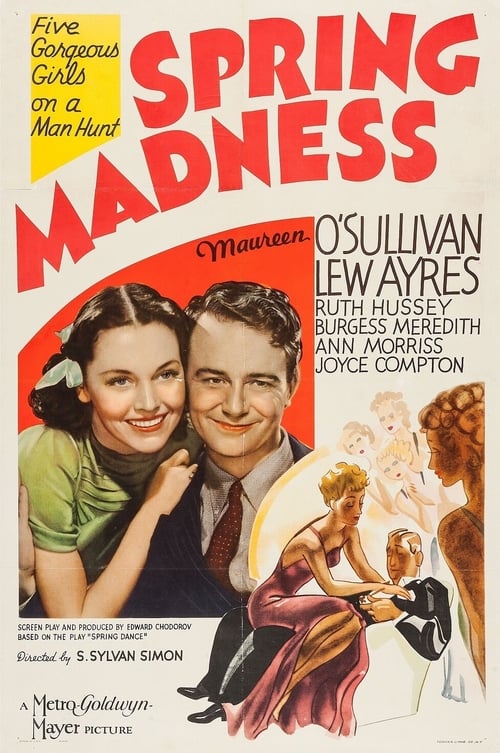
Spring Madness
1938
No user ratings available yet
Diversity score: 2.6 out of 10
1933
NRDirector
Stephen Roberts
Runtime
69 minutes
Average Rating
No ratings yetSynopsis
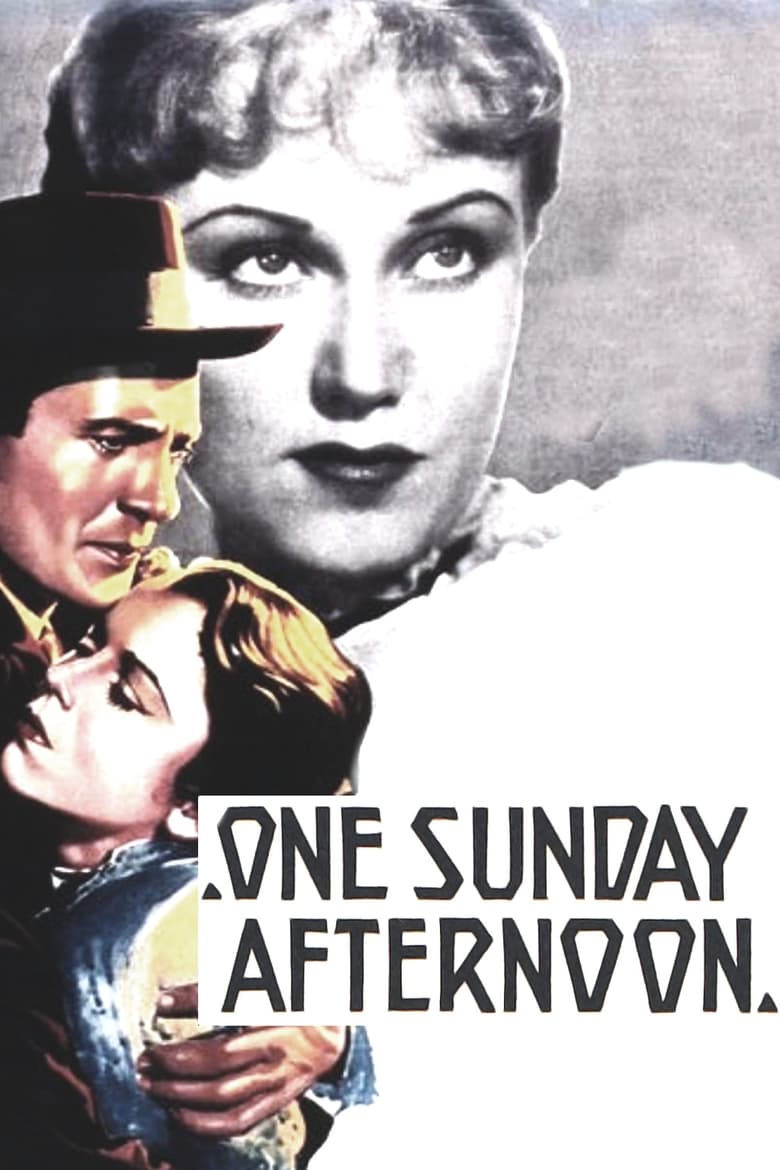
Middle-aged dentist Biff Grimes reminisces about his unrequited love for beautiful Virginia Brush and her husband Hugo, his ex-friend, who betrayed him.
Overall Score
Limited
Category Breakdown
LGBTQ+ Representation
The film centers on a traditional romantic triangle between a man, a woman, and her husband. It reinforces heteronormative structures without any depiction of same-sex intimacy or non-cisnormative identities.
Gender Representation
The narrative is driven by the male protagonist's emotional journey and his reaction to other men. The female lead serves primarily as a romantic object rather than an active agent of change.
Racial & Ethnic Diversity
The production reflects the homogeneous casting standards of 1930s Hollywood. It adheres to the era's typical Western, Anglo-centric representation without evidence of a diverse cast.
Religious & Cultural Diversity
The story focuses on individual emotional struggles and conventional sentimental morality. It avoids critiques of Western institutions or engagement with secularist or anti-capitalist themes.
Disability Representation
There is no evidence of characters with physical or neurodivergent disabilities within the narrative.
Strengths
Areas for Improvement
AI Analysis
One Sunday Afternoon is a period-specific romantic melodrama that operates strictly within the social constraints of early 1930s cinema. The story relies on a standard linear progression of nostalgia and betrayal, focusing on a central trio of characters. The film lacks intentional efforts to disrupt traditional hierarchies or introduce intersectional perspectives. Instead, it leans heavily into the conventional romantic tropes and domesticity prevalent in the pre-Code era. Ultimately, the work functions as a traditionalist piece of storytelling, prioritizing individual emotional longing over systemic critique or diverse representation.
1938
1935
1934
1930

1928
1941
1930
1930

1941

1930

1942
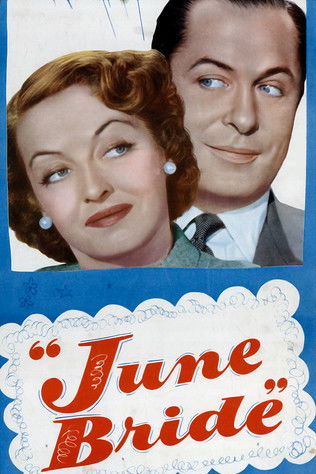
1948
No reviews yet. Be the first to share your thoughts on this movie!
Use the rating form above to leave a star rating and optional review.