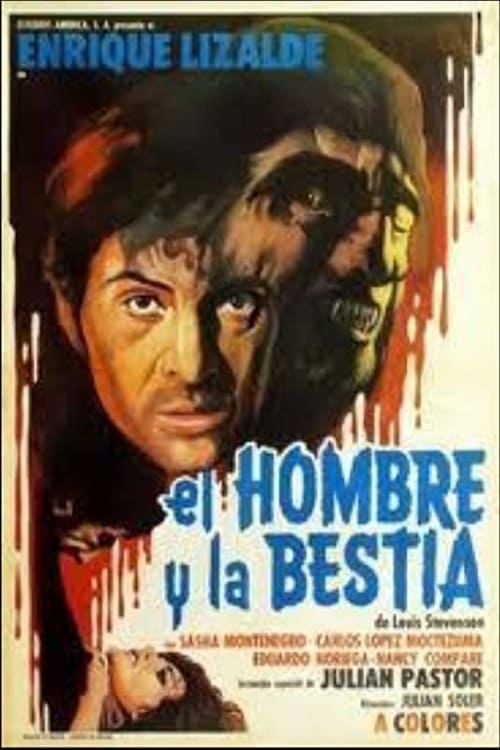
The Man and the Beast
1973
No user ratings available yet
Diversity score: 3.2 out of 10
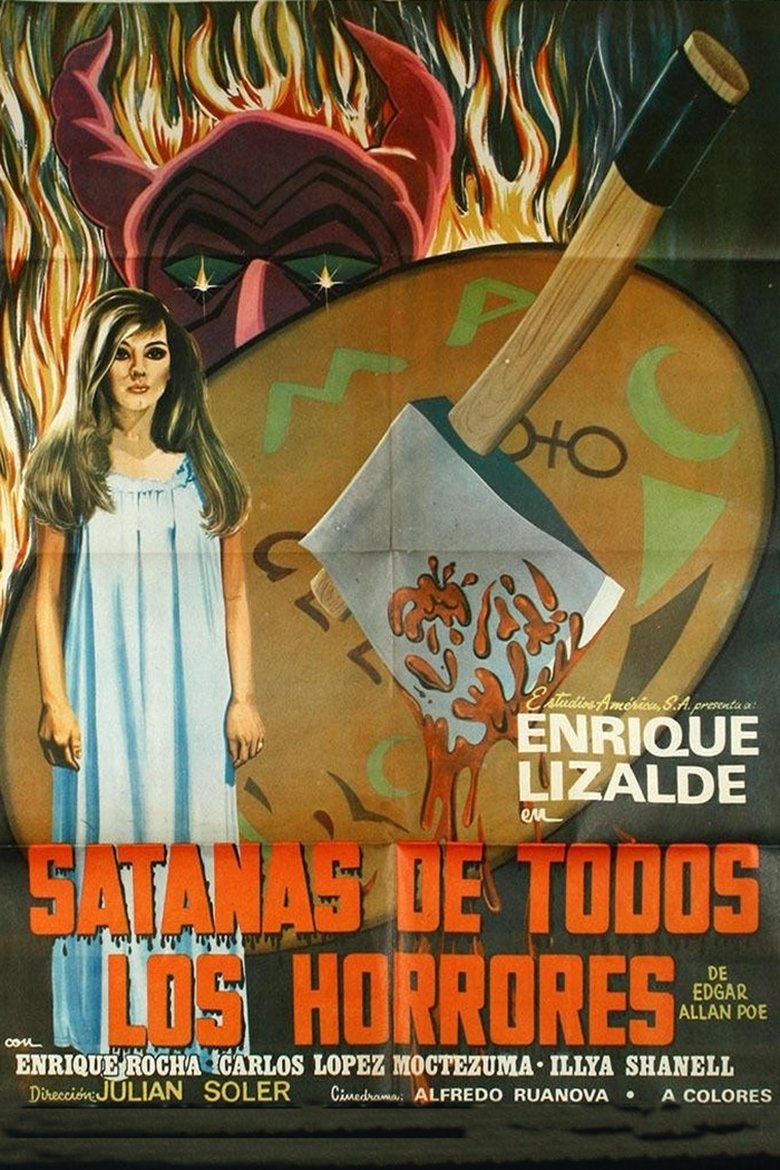
1974
Director
Julián Soler
Runtime
73 minutes
Average Rating
No ratings yetSynopsis
Adaptation of The Fall Of The House Of Usher.
Overall Score
Limited
Category Breakdown
LGBTQ+ Representation
The film operates within the heteronormative constraints typical of 1970s genre cinema. There is no evidence of non-cisnormative identities or same-sex intimacy within the plot.
Gender Representation
Female characters like Madeline Usher are central, yet their agency is often tied to domestic tragedy or illness. The portrayal leans toward traditional gothic tropes of the distressed female.
Racial & Ethnic Diversity
The production reflects the homogeneous casting standards of its era. The narrative centers on traditional Western gothic aesthetics without indication of diverse racial casting.
Religious & Cultural Diversity
The film explores madness and ancestral decay through a gothic framework. It functions as a psychological horror piece rather than a critique of Western institutions or secularism.
Disability Representation
Physical or mental infirmity serves as a central plot device to drive dread. These conditions appear to be stylistic elements of horror rather than characters with independent agency.
Strengths
Areas for Improvement
AI Analysis
All the Horrors of Satan is a traditional 1974 adaptation of Edgar Allan Poe’s work. It adheres strictly to the established literary and cinematic norms of the era, focusing on atmospheric dread rather than social subversion. The film lacks intentionality regarding intersectional representation. It relies on classical gothic tropes that reinforce 1970s genre conventions, particularly regarding gender and disability. Ultimately, the production serves the requirements of the psychological horror genre without attempting to disrupt conventional social hierarchies or provide diverse perspectives.
1973
1989
1971
1972
1965
1958
2014
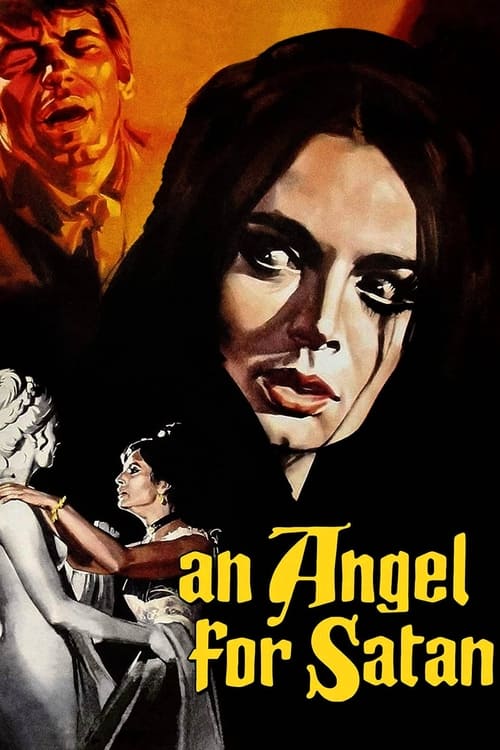
1966
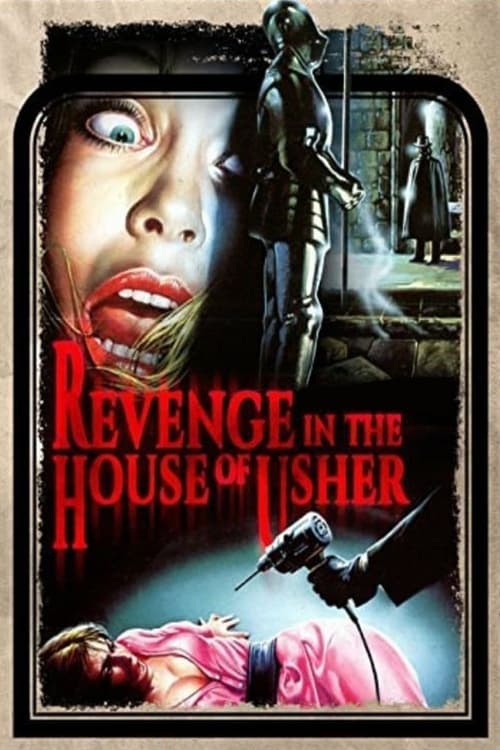
1983
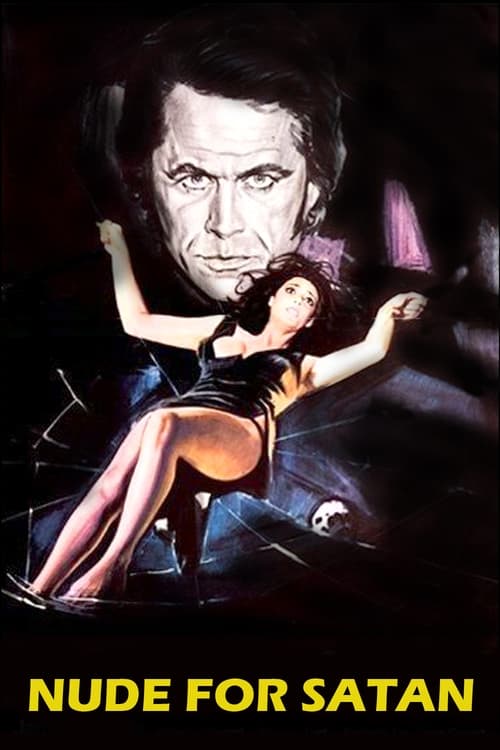
1974
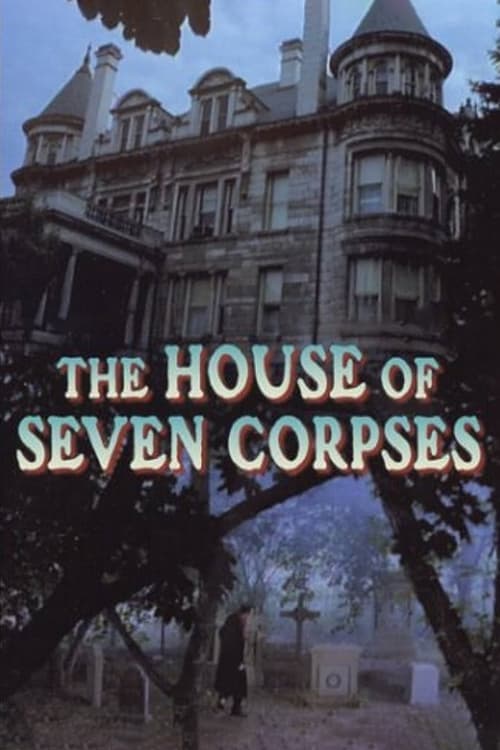
1974
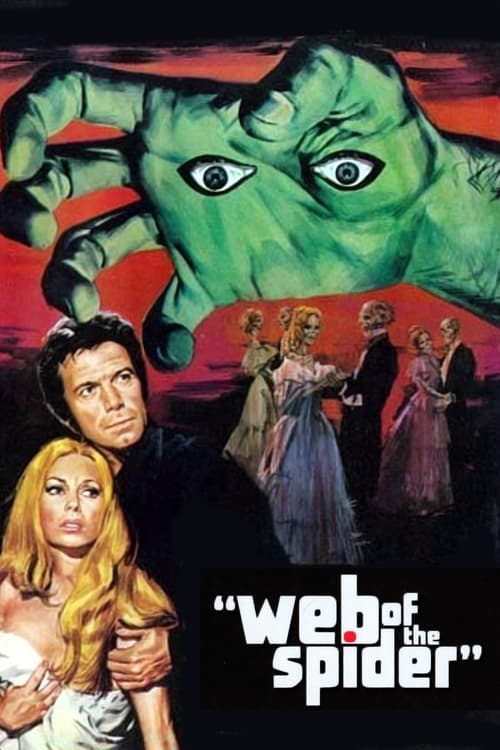
1971
No reviews yet. Be the first to share your thoughts on this movie!
Use the rating form above to leave a star rating and optional review.