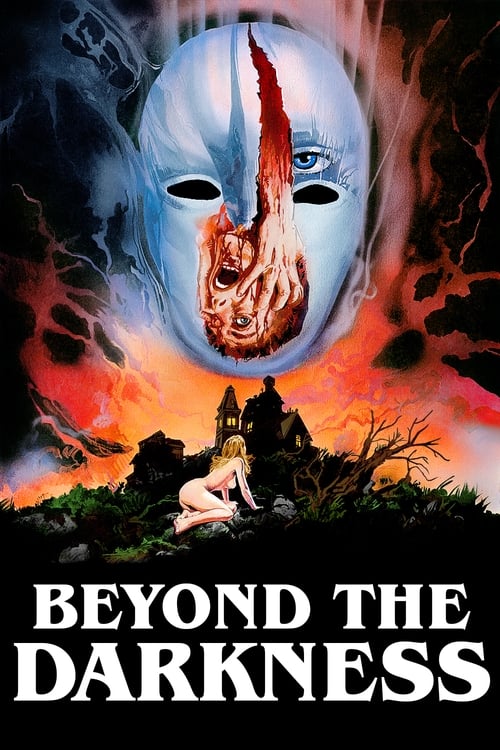
Beyond the Darkness
1979
No user ratings available yet
Representation score: 3.7 out of 10
Representation Score
Limited
1983
NRDirector
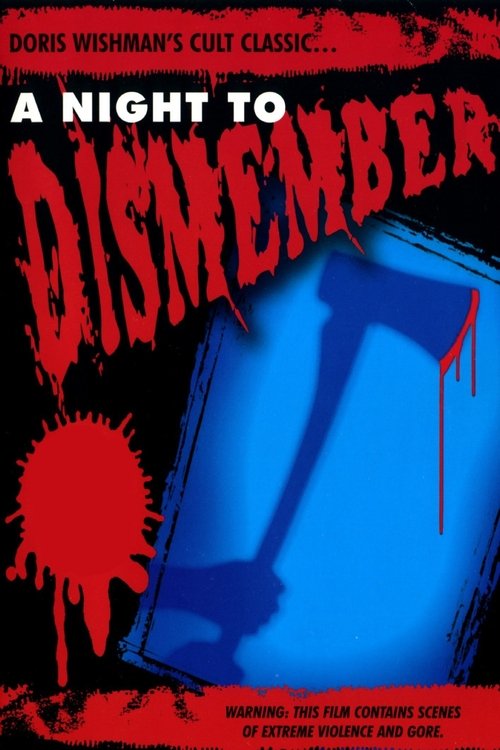
Doris Wishman
Runtime
69 minutes
Average Rating
No ratings yetNew Showbiz Analysis
Doris Wishman’s work provides a rare instance of female leadership within the male-dominated exploitation genre. Her DIY approach bypasses traditional industry hierarchies, offering a unique perspective despite the film's limited representational depth. The narrative relies heavily on period-specific clichés, particularly regarding gender and disability. While the protagonist offers some control over the story, the film often uses mental health as a source of horror rather than a nuanced portrayal of neurodivergence. Ultimately, the film reflects the restrictive casting and thematic standards of 1980s horror. It lacks the multi-layered approach needed to move beyond standard genre conventions.
Category Breakdown
The film does not include any explicit LGBTQ+ characters or narratives. It follows established horror clichés from the era that typically avoid representing non-straight identities.
A female protagonist drives the story through her struggle with a familial curse. While using common distressed female clichés, the film maintains a focus on the female experience.
There is no indication of a diverse or non-Anglo-Saxon cast. The production adheres to the homogeneous casting norms typical of 1980s exploitation cinema.
Themes of mental instability and familial curses serve as standard genre devices. These elements do not function as a deliberate deconstruction of Western institutions.
The plot centers on a character released from a mental health facility. However, mental illness is used primarily as a horror-driven plot device.
Present on Screen
Limited or Absent
Official Synopsis
A woman from a "cursed" family is released from a mental facility, and soon dismembered corpses start turning up.
1979
1977
1968
1973

1970
1985
1974
2004
No reviews yet. Be the first to share your thoughts on this movie!
Use the rating form above to leave a star rating and optional review.