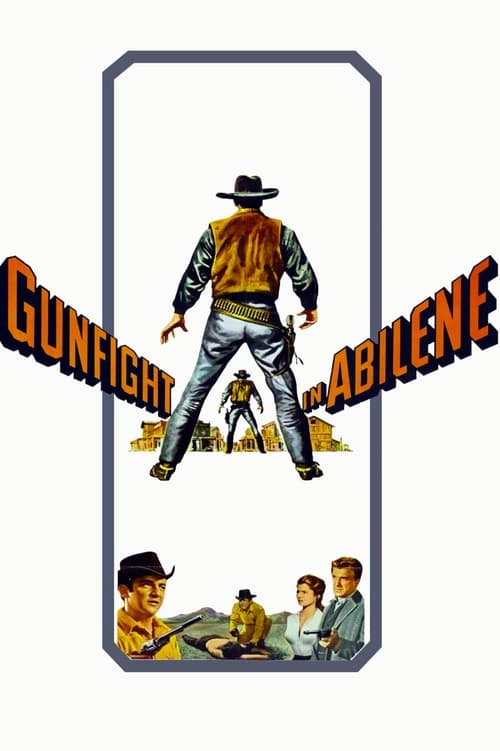
Gunfight in Abilene
1967
No user ratings available yet
Representation score: 0.8 out of 10
Representation Score
Minimal
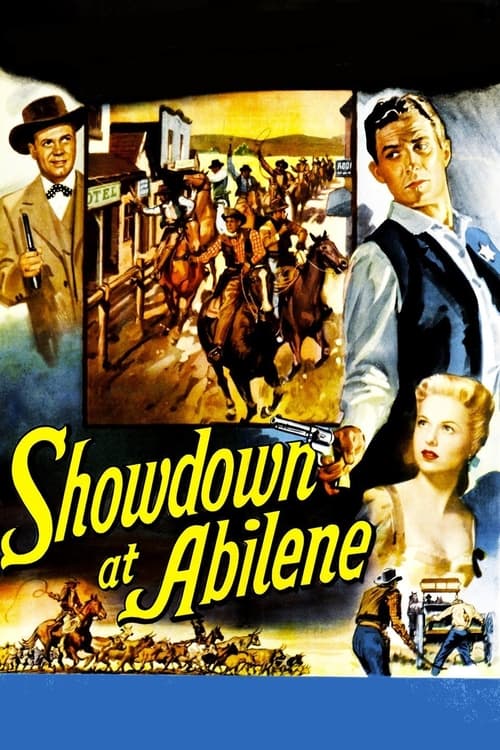
1956
ApprovedDirector
Charles F. Haas
Runtime
80 minutes
Average Rating
No ratings yetNew Showbiz Analysis
Showdown at Abilene is a classic mid-century Western that upholds traditional social structures. The narrative emphasizes masculine ability to act and the restoration of legal order in a lawless environment. The film remains true to the cinematic standards of the 1950s, focusing on the preservation of conventional community structures. However, it lacks the intention to challenge genre clichés or provide diverse representation.
Category Breakdown
The film follows mid-century standards where everyone is assumed to be straight or cisgender. It doesn't include any non-traditional gender identities or same-sex relationships, focusing instead on typical romantic pairings.
The story revolves around male law enforcement officers and frontier conflicts. Women play minor roles, mainly serving as catalysts for the men's actions.
The cast is mostly white and Anglo-Saxon, reflecting the era's limitations. The film doesn't feature characters of color with significant roles or diverse backgrounds.
The story highlights traditional Western values such as establishing order and maintaining community stability. It supports traditional social structures without questioning them.
There are no discernible depictions of visible or invisible disabilities. Characters function within the standard physical capacities required by the Western genre's action requirements.
Present on Screen
Limited or Absent
Official Synopsis
Jim Trask, former sheriff of Abilene, returns to the town after fighting for the Confederacy to find everyone thought he was dead. His old friend Dave Mosely is now engaged to Trask's former sweetheart and is one of the cattlemen increasingly feuding with the original farmers. Trask is persuaded to take up as sheriff again but there is something about the death of Mosely's brother in the Civil War that is haunting him.
1967
1956
1957
1958
1959
1976
1951
1959
No reviews yet. Be the first to share your thoughts on this movie!
Use the rating form above to leave a star rating and optional review.